
What's Happening?
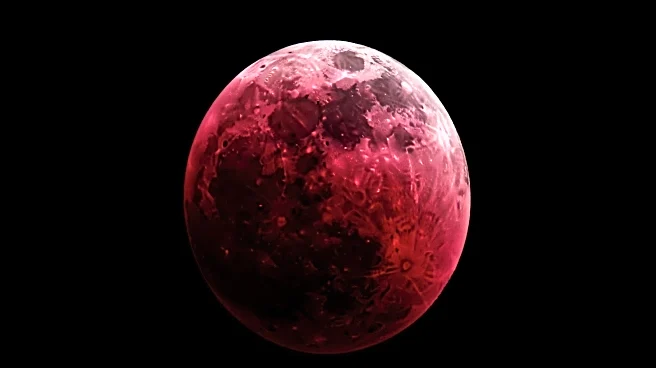
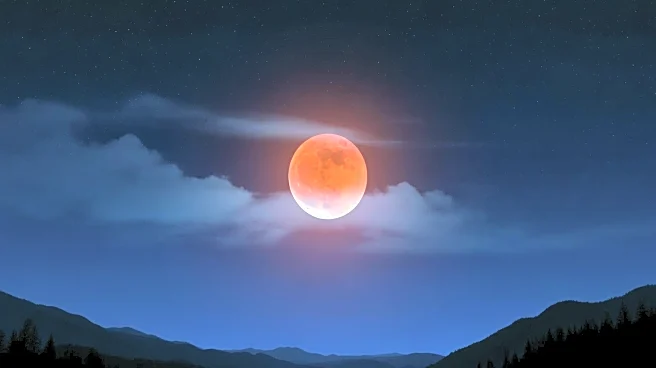
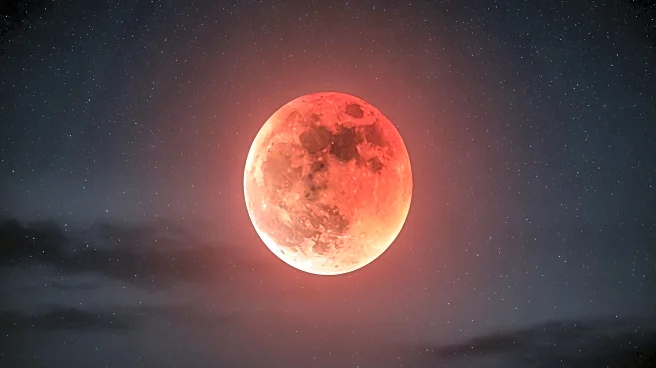
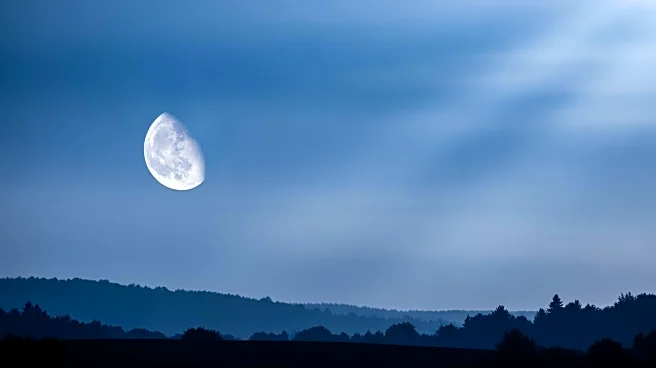
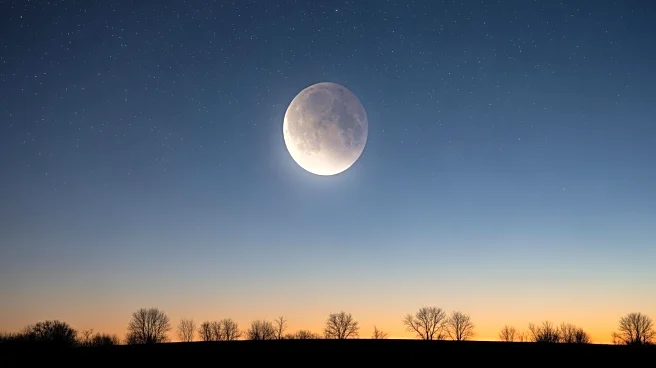
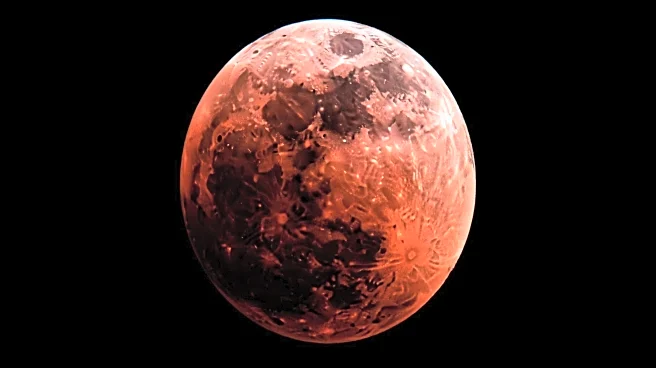
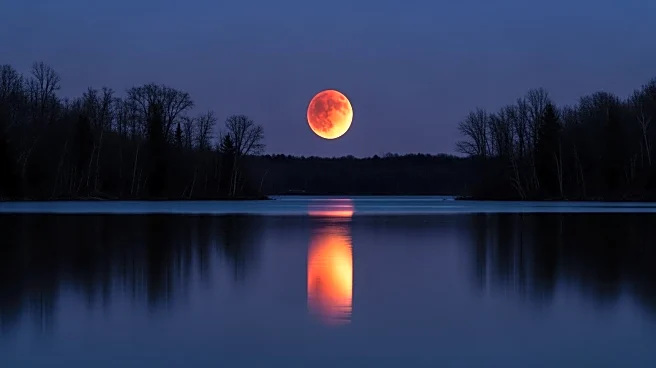
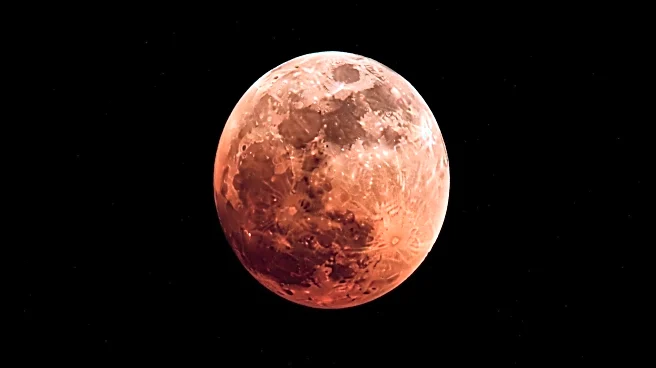
NASA has outlined key skywatching events for March 2026, including a total lunar eclipse on March 3 and the vernal equinox on March 20. The lunar eclipse, known as a 'blood moon,' will see the Moon turn a reddish hue as it passes through Earth's shadow.
This event will be visible from various parts of the world, including North America. The vernal equinox marks the start of spring in the Northern Hemisphere, occurring when the Sun crosses the equator from south to north, resulting in nearly equal day and night durations. Additionally, a conjunction of Venus and Saturn will be visible on March 8.
Why It's Important?
These celestial events offer significant opportunities for public engagement and education in astronomy. The total lunar eclipse provides a striking visual phenomenon that can captivate audiences and inspire interest in space science. The vernal equinox is a key marker in the Earth's annual orbit, symbolizing seasonal change and the balance of day and night. Such events can enhance public understanding of astronomical concepts and the dynamics of our solar system. They also serve as a reminder of the interconnectedness of celestial bodies and the natural cycles that govern our planet.
What's Next?
As these events approach, observatories and educational institutions may organize viewing sessions and informational programs to engage the public. The visibility of the lunar eclipse and the conjunction of Venus and Saturn will depend on local weather conditions, so skywatchers are advised to check forecasts. The equinox will lead to longer days in the Northern Hemisphere, culminating in the summer solstice in June. These events may also prompt discussions on the cultural and historical significance of celestial phenomena, encouraging a broader appreciation of astronomy.