



What's Happening?
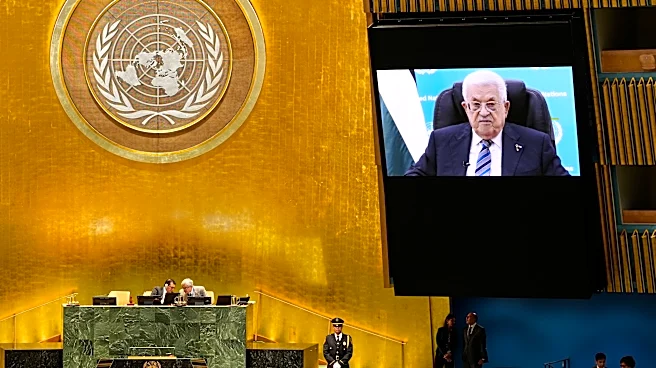
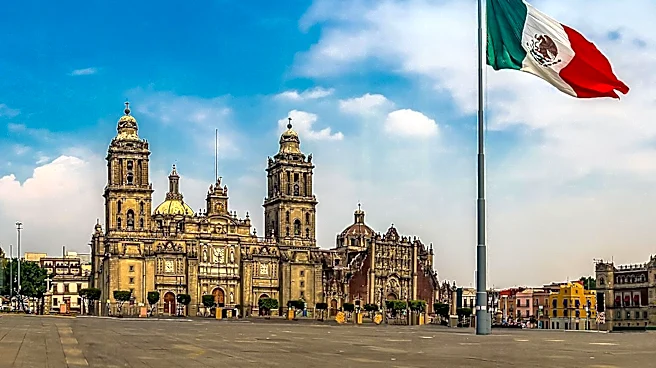
Mexico has not formally recognized Palestine as an independent state. However, the country has consistently voiced its support for a two-state solution as a pathway to resolve the Israeli-Palestinian conflict. This stance aligns with a broader international
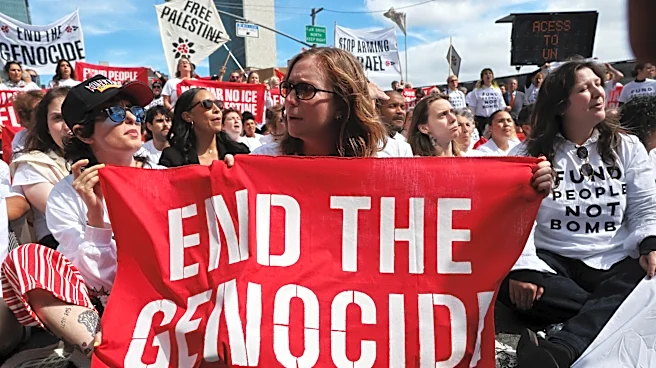
consensus that advocates for the establishment of a sovereign, independent, and viable State of Palestine, coexisting peacefully alongside Israel within secure and recognized borders. Mexico has also condemned the violence in the region, indicating a humanitarian concern for the ongoing conflict. While direct recognition has not occurred, Mexico's diplomatic position emphasizes a negotiated settlement and humanitarian assistance for the Palestinian people.
Why It's Important?
Mexico's position, while not a full recognition, is significant as it contributes to the international diplomatic pressure for a two-state solution. This approach is crucial for global stability and aligns with U.S. foreign policy objectives that often seek peaceful resolutions to international conflicts. The emphasis on a two-state solution by a major Latin American nation like Mexico can influence other countries and strengthen the call for a negotiated settlement. It also highlights the ongoing humanitarian crisis in the region, which can impact international aid efforts and global public opinion. For the U.S., Mexico's stance is part of the complex web of international relations surrounding the Israeli-Palestinian conflict, where various nations hold differing but often converging views on the path to peace.
What's Next?
Given Mexico's current stance, it is likely to continue advocating for a two-state solution in international forums and through diplomatic channels. This could involve further statements condemning violence, supporting humanitarian aid, and participating in discussions aimed at achieving a lasting peace. While immediate recognition of Palestine by Mexico is not indicated, its consistent support for a two-state solution suggests a continued engagement in the diplomatic efforts surrounding the conflict. The international community will likely monitor Mexico's actions and statements for any shifts in its policy, particularly in response to evolving developments in the Middle East.
Beyond the Headlines
Mexico's nuanced position reflects the complexities of international diplomacy regarding the Israeli-Palestinian conflict. By supporting a two-state solution without outright recognition, Mexico maintains diplomatic flexibility while aligning with a widely accepted framework for peace. This approach allows Mexico to engage with both sides of the conflict and contribute to humanitarian efforts without taking a definitive stance that could complicate its foreign relations. The ethical dimension of this position lies in balancing national interests with the humanitarian imperative to address suffering and promote a just resolution to a long-standing conflict. It also underscores the ongoing debate within the international community about the most effective path to peace in the Middle East.