




What's Happening?
A new legislative proposal, the Ratepayer Protection Act, has been introduced by Senator Jon Husted of Ohio. The bill aims to ensure that large data centers and other significant electricity users cover the costs of the power infrastructure necessary
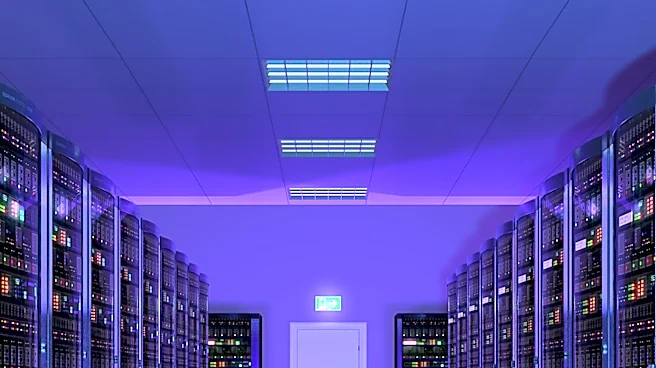
for their operations. This initiative is designed to prevent these expenses from being transferred to households and small businesses through increased utility bills. The legislation encourages states and public utility commissions to establish standards for how large electricity users connect to the grid, specifically targeting facilities with a demand of 100 megawatts or more. This category includes many hyperscale data centers built to support the growing demand for artificial intelligence (AI). The bill has bipartisan support, with a companion bill introduced in the House by Representative Gabe Evans of Colorado and Representative Kathy Castor of Florida.
Why It's Important?
The Ratepayer Protection Act addresses a significant concern regarding the financial burden of expanding AI infrastructure in the United States. As technology companies rapidly build facilities to support AI models and cloud computing, utilities forecast a rise in electricity demand. The bill seeks to protect consumers from bearing the costs of these infrastructure investments, which could lead to higher electricity bills. By requiring data centers to pay for their power infrastructure, the legislation aims to keep America competitive in the AI sector while safeguarding consumers. The proposal has sparked a broader debate about the responsibilities of technology companies versus the rights of consumers, highlighting the tension between economic growth and consumer protection.
What's Next?
The Ratepayer Protection Act has been referred to the House Energy and Commerce Committee for consideration. It must undergo committee review, pass both the House and Senate, and be signed by the president to become law. As public opposition to data center construction grows, lawmakers are likely to face increased pressure from constituents to address these concerns. The outcome of this legislative process will significantly impact the future of AI infrastructure development and consumer protection in the U.S.
Beyond the Headlines
The introduction of the Ratepayer Protection Act comes amid growing public opposition to large-scale data center construction. Concerns about electricity costs, water consumption, and local community impacts have led to nationwide protests organized by groups like HumansFirst. Critics argue that the bill may not fully protect consumers and could leave loopholes benefiting utilities and data center developers. The debate over this legislation reflects broader societal concerns about the environmental and economic impacts of AI infrastructure, as well as the balance between technological advancement and community welfare.