


What's Happening?
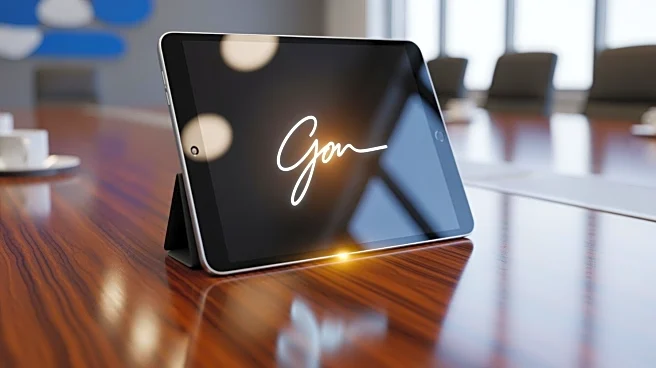
Dominique Calcò Labbruzzo, a Swiss-Italian business attorney and founder of Switzerland's first holistic law firm, is set to speak at the American Bar Association (ABA) International Law Section Americas Conference. The event, titled 'Signed, Sealed,
Delivered? Navigating E-Signatures Across Borders—U.S., Mexico, Brazil and European Perspectives,' will take place on January 28, 2026, at the Hyatt Regency in Mexico City. The conference will focus on the complexities of ensuring the enforceability of electronic signatures in international transactions. Calcò Labbruzzo will provide insights from a Swiss perspective, highlighting the challenges posed by Switzerland's varied digitalization standards across its cantons. The session aims to equip business owners and legal professionals with strategies to navigate the diverse e-signature requirements across different jurisdictions.
Why It's Important?
The discussion on cross-border e-signatures is crucial as businesses increasingly operate in a digital-first environment. Ensuring that electronic signatures are recognized and enforceable across different legal systems is vital for international trade and commerce. The session will address practical issues such as electronic powers of attorney, mandatory advanced e-signatures, and compliance with authentication protocols. These discussions are particularly relevant for companies looking to streamline their international operations and avoid costly delays or legal challenges. By understanding the nuances of e-signature laws in various jurisdictions, businesses can better prepare for cross-border transactions, ensuring that their documents are legally binding and recognized globally.
What's Next?
Following the conference, businesses and legal professionals may need to reassess their current e-signature practices to align with international standards. Companies might consider implementing more robust digital compliance strategies to ensure their documents meet the legal requirements of all jurisdictions they operate in. Additionally, there may be increased collaboration between international legal bodies to harmonize e-signature laws, making cross-border transactions more seamless. Stakeholders will likely continue to advocate for clearer guidelines and standards to support the global recognition of electronic signatures.