






What's Happening?
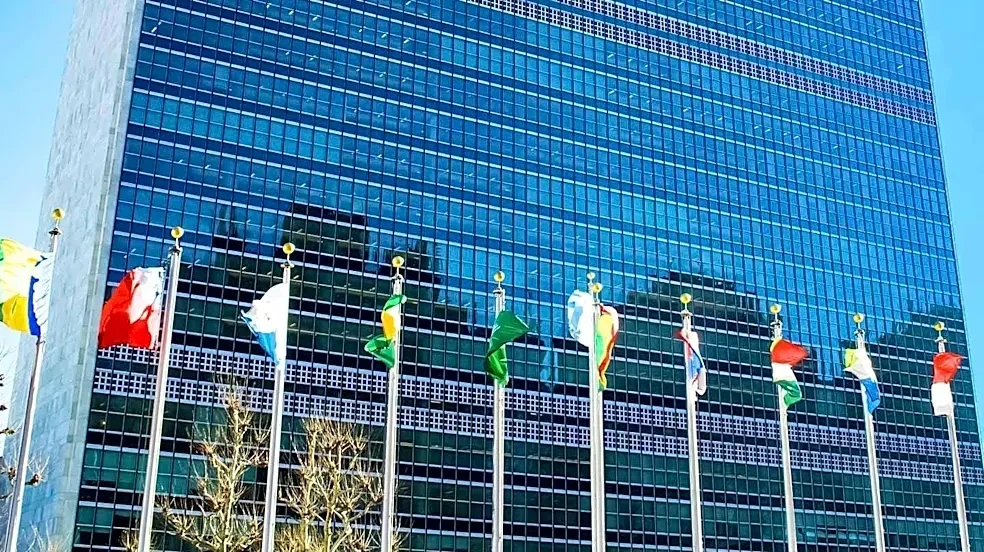
The United Nations in the Philippines has issued a statement urging the country to strengthen its climate adaptation and disaster preparedness measures. This call comes as the Philippines faces an increasingly complex risk landscape, with a very strong
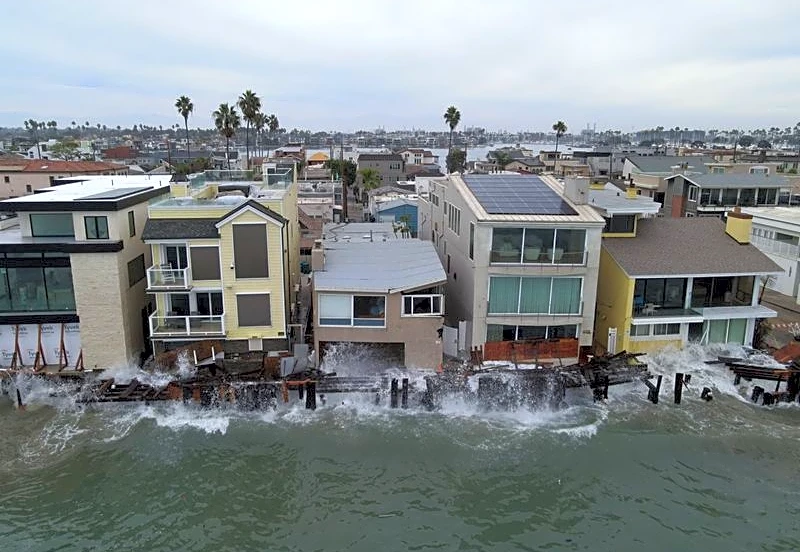
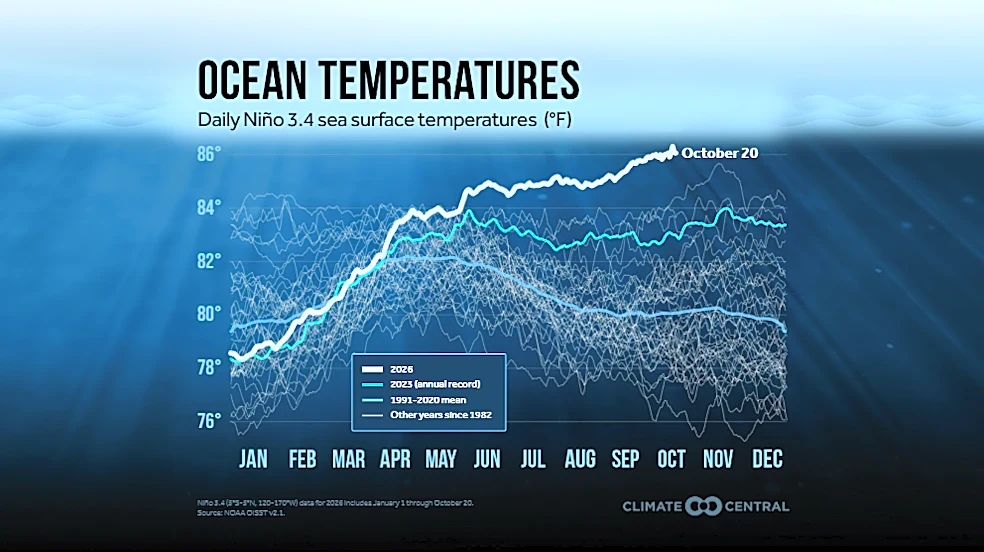
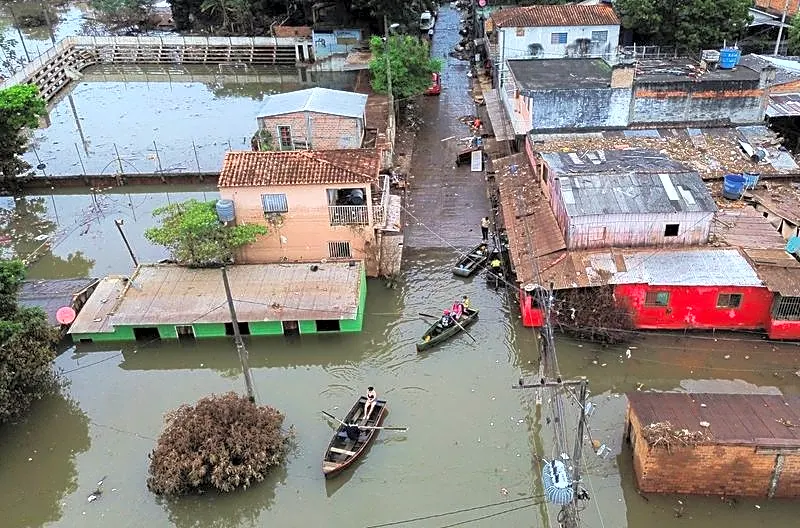
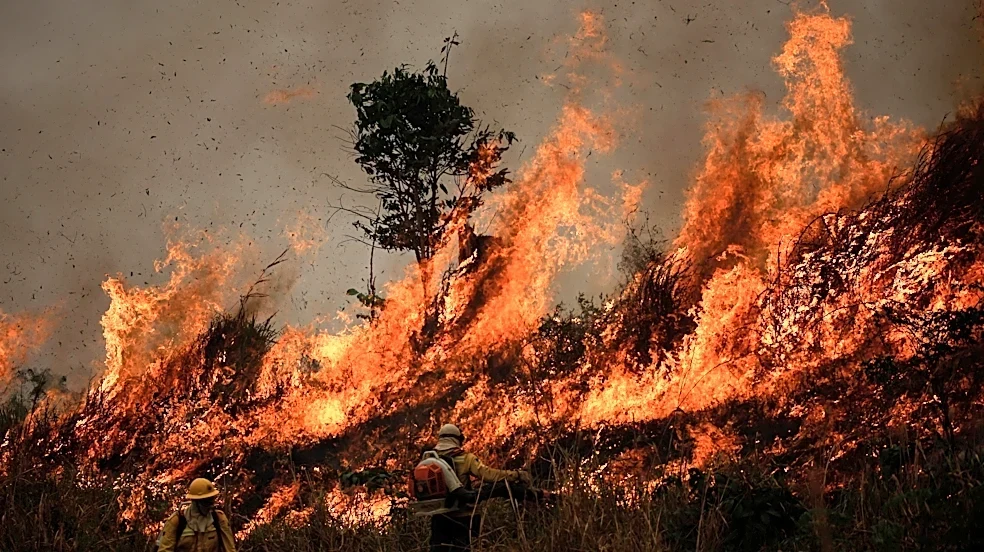
El Niño expected to continue affecting multiple regions until 2027. This phenomenon is intensifying drought, extreme heat, and water scarcity, while other hazards like typhoons and flooding persist. These climate shocks are not merely environmental events but significant development challenges, impacting food security, health, nutrition, water resources, livelihoods, human mobility, and community well-being. The UN emphasizes that these hazards create cascading effects, disrupting agriculture, fisheries, water systems, health services, local economies, and essential public services, placing additional pressure on vulnerable populations and driving displacement.
Why It's Important?
The ongoing and projected climate impacts in the Philippines highlight a critical vulnerability for a nation frequently exposed to natural disasters. The prolonged El Niño conditions, coupled with other extreme weather events, pose severe threats to the country's socio-economic stability and public health. Food security is directly jeopardized by threats to crops, livestock, and fisheries, potentially leading to higher food prices and increased food insecurity. Health systems are under immense pressure due to increased heat stress, malnutrition, water scarcity, and a rise in climate-sensitive diseases. The displacement of populations due to these events further exacerbates humanitarian concerns, interrupting education, healthcare access, and livelihoods. The UN's call underscores the urgent need for proactive, integrated strategies to build resilience and protect development gains against escalating climate risks.
What's Next?
The United Nations is actively collaborating with the Philippine government and partners to enhance resilience across various sectors. Efforts are focused on anticipatory action, climate-informed planning, and the implementation of climate-resilient agriculture and sustainable livelihood opportunities. The UN is also supporting the development of a Health National Adaptation Plan to integrate climate and disaster risks into health policies and investments. This includes strengthening preparedness and resilience within the health sector through risk assessments, surveillance systems, and early public health actions. Furthermore, the UN is working to reduce displacement risks through data generation, preparedness measures, and support for shelters, while integrating climate mobility into adaptation and development planning. These initiatives aim to empower communities to withstand future climate shocks and protect vulnerable populations.
Beyond the Headlines
The situation in the Philippines serves as a stark illustration of how climate change disproportionately affects vulnerable nations, transforming environmental phenomena into profound humanitarian and developmental crises. The interconnectedness of climate shocks with food security, health, and human displacement reveals a systemic challenge that requires a holistic and sustained global response. The emphasis on anticipatory action and integrating climate risk into national planning signifies a shift from reactive disaster response to proactive risk reduction. This approach not only aims to mitigate immediate suffering but also to build long-term resilience, ensuring that development gains are not eroded by recurrent climate events. The ethical implications of climate inaction are evident in the disproportionate impact on children, who are highly exposed to multiple climate-related hazards, threatening their health, education, and future opportunities.