








What's Happening?
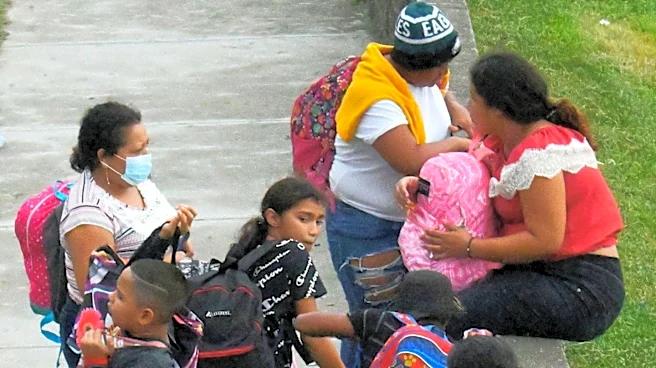
In Lima, Ohio, Haitian residents like Jacson Joseph, who fled gang violence in Haiti, are facing an uncertain future due to potential changes in their Temporary Protected Status (TPS). TPS allows individuals from certain countries to live and work in the U.S.
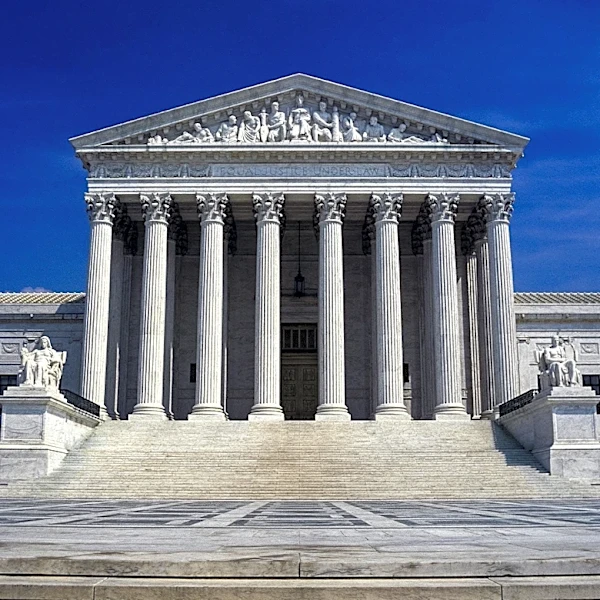
when returning home is unsafe. The Trump administration has argued that conditions in Haiti have improved, leading to steps to revoke TPS for Haitians. This decision follows a U.S. Supreme Court ruling allowing the administration to end TPS for Haiti and Syria. Many Haitians in Lima, who have built lives and communities, are now struggling with job losses and financial instability as their legal status hangs in the balance. Local organizations are shifting focus to help these residents navigate the uncertainty, offering support through job connections, ESL classes, and financial literacy courses.
Why It's Important?
The potential revocation of TPS for Haitians in the U.S. has significant implications for the affected individuals and the communities they inhabit. For the estimated 5,000 Haitians in Lima, Ohio, losing TPS could mean job loss, financial hardship, and the threat of deportation. This situation highlights broader issues in U.S. immigration policy, particularly the challenges faced by immigrants who have established lives in the U.S. but remain vulnerable to policy changes. The local economy and social fabric of communities like Lima could be impacted by the departure of these residents, who contribute to the local workforce and cultural diversity. The situation also underscores the ongoing debate over the U.S.'s role in providing refuge to those fleeing violence and instability.
What's Next?
As the legal details of the TPS revocation are finalized, affected Haitians in Lima are exploring other legal pathways for residency, such as asylum, though this process is lengthy and uncertain. Community groups are preparing for increased immigration enforcement and are coordinating efforts to support families, including ensuring guardianship for children if parents are deported. Some residents are considering relocating to other countries, such as Canada or Chile, if staying in the U.S. becomes untenable. The local community, including churches and nonprofits, continues to provide support through food drives, rental assistance, and legal aid, while advocating for policies that would allow these residents to remain in the U.S. legally.
Beyond the Headlines
The situation in Lima reflects broader ethical and humanitarian questions about the U.S.'s responsibility to immigrants who have fled dangerous conditions. The potential loss of TPS for Haitians raises concerns about the adequacy of current immigration policies in addressing the needs of vulnerable populations. It also highlights the resilience and contributions of immigrant communities, who often face significant challenges in their efforts to integrate and thrive in new environments. The response from local communities, which have rallied to support their Haitian neighbors, demonstrates the potential for grassroots action to influence and mitigate the impacts of national policy decisions.