

What's Happening?
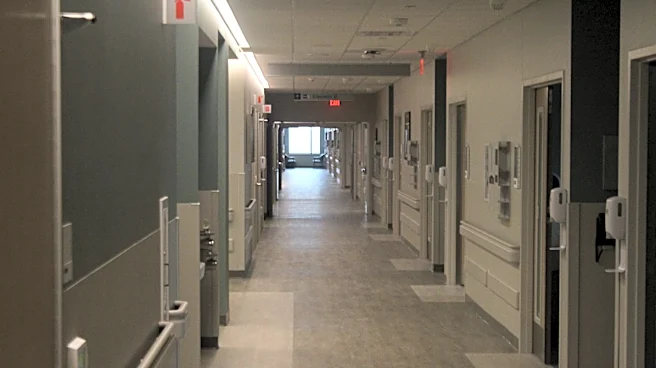
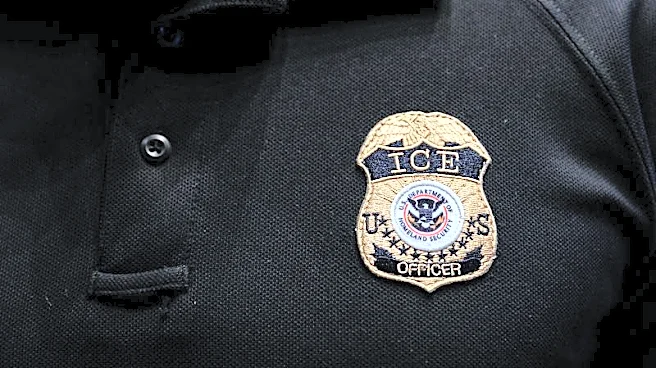
Chloe Renae Freeman, a 33-year-old nurse from Whitmore Lake, Ann Arbor, is facing a federal misdemeanor charge for allegedly assisting a man without legal status to escape law enforcement custody. The incident occurred at Trinity Health Ann Arbor hospital,
where the man was receiving medical treatment for injuries sustained during his arrest by federal immigration agents. According to federal court filings, Ms. Freeman reportedly removed the man's IV drip and guided him to an ambulance entrance, facilitating his escape. She has since voluntarily surrendered to authorities, was released on a $10,000 bond, and is no longer employed by the hospital. As of Friday, federal authorities have not located the escaped patient. This case highlights a growing tension between legal mandates and medical ethics within healthcare facilities, with legal experts anticipating similar situations in the future.
Why It's Important?
This case underscores a significant and evolving conflict between federal immigration enforcement and the ethical obligations of healthcare professionals in the United States. Legal experts, such as Shahad Atiya, founder of Atiya Law and a criminology professor at the University of Michigan-Dearborn, note that medical professionals are increasingly caught between their duty to care for patients and the demands of immigration law. This situation can lead to complex legal and ethical dilemmas for individuals and healthcare systems alike. The decision by the federal government to pursue a misdemeanor charge rather than a felony might indicate an intent to resolve the case more swiftly, but it still sets a precedent for how such incidents are handled. The broader implication is a potential increase in legal challenges for healthcare workers who make personal judgments regarding patient care in the context of immigration enforcement, potentially impacting patient trust and the operational procedures of hospitals nationwide.
What's Next?
The legal proceedings for Chloe Renae Freeman will continue, with the government bearing the burden of proving every element of the crime beyond a reasonable doubt, including the man's exact custody status at the time of his departure. Legal experts suggest that the federal government's choice to file a misdemeanor charge could indicate a desire for a quicker resolution. Meanwhile, healthcare systems across the country are likely to continue grappling with how to navigate immigration enforcement within medical settings. Many facilities have already begun offering 'Know Your Rights' trainings to staff, focusing on privacy laws and search warrants. This case may prompt further development of policies and training for medical professionals to address the intersection of patient care, medical ethics, and immigration law, potentially leading to clearer guidelines or increased legal support for healthcare workers facing similar dilemmas.
Beyond the Headlines
The incident involving Ms. Freeman delves into the deeper ethical and societal implications of immigration enforcement within sensitive environments like hospitals. It highlights the moral quandary faced by healthcare providers who are sworn to provide care to all individuals, regardless of their legal status, while also being subject to federal laws. This tension can erode trust between immigrant communities and healthcare institutions, potentially deterring individuals from seeking necessary medical attention for fear of legal repercussions. The case also brings to light the broader debate about the role of healthcare facilities in immigration enforcement and whether they should be considered 'sensitive locations' where enforcement actions are limited. The outcome of this case could influence future legal interpretations and public discourse surrounding the rights of undocumented individuals to medical care and the responsibilities of those who provide it.