



What's Happening?
Nobu Hospitality, in collaboration with Salboy, has commenced the groundbreaking of a new skyscraper project in Manchester, UK. The ceremony was attended by Nobu Hospitality founders, including Robert De Niro, Chef Nobu Matsuhisa, and Meir Teper, alongside
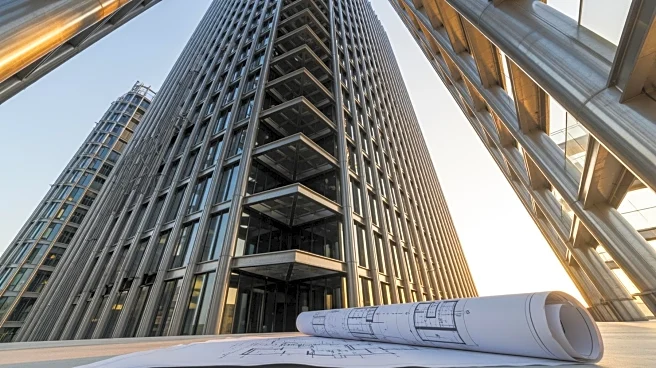
Salboy co-founders Fred Done and Simon Ismail. The project involves the construction of a 246-meter tower, which is set to become the tallest building outside London upon completion in 2031. This development will feature a signature Nobu restaurant, a 160-room luxury hotel, and 452 branded residences. The site, located in an industrially historic area, aims to blend modern luxury with Manchester's rich architectural heritage.
Why It's Important?
This project marks a significant expansion of Nobu Hospitality's presence in the UK, introducing their luxury brand to Manchester's real estate market. The development is expected to transform the city's skyline and enhance its appeal as a destination for sophisticated living and dining. By integrating a world-class restaurant and luxury accommodations, the project is poised to attract both local and international visitors, potentially boosting the local economy. Additionally, the collaboration with Salboy and the involvement of award-winning designers highlight a commitment to quality and innovation, which could set new standards in the UK's luxury real estate sector.
What's Next?
Construction is set to begin next year, with enabling works already underway. Salboy plans to launch sales for the Nobu Residences Manchester in 2026. As the project progresses, it will be crucial to monitor how it influences Manchester's real estate market and its impact on local businesses. The development may also prompt further investments in the area, contributing to Manchester's growth as a major urban center in the UK.
Beyond the Headlines
The integration of modern luxury with historical architecture in this project reflects a broader trend in urban development, where preserving cultural heritage is balanced with contemporary needs. This approach not only enhances the aesthetic appeal of new constructions but also fosters a sense of continuity and respect for the past. As cities worldwide grapple with similar challenges, the Manchester project could serve as a model for sustainable and culturally sensitive urban development.