






What's Happening?
The poorest individuals in the U.S. are facing a severe shortage of affordable housing, even as thousands of units designated as 'affordable' remain vacant. Mathew Davis, a resident of a homeless shelter in Austin, Texas, exemplifies this struggle, earning
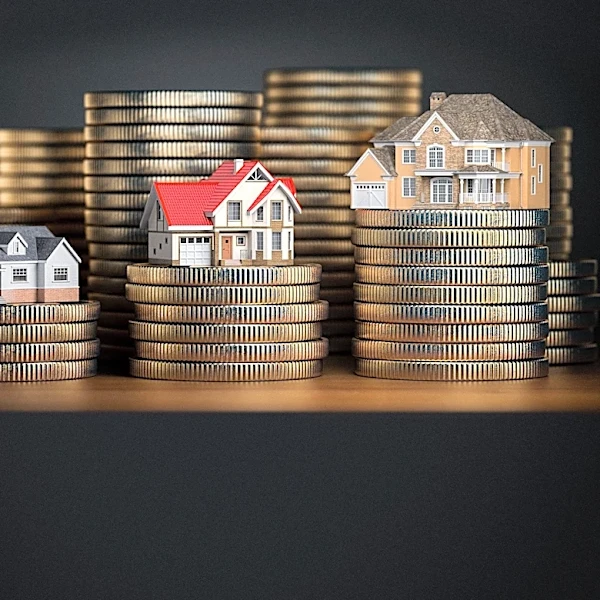
too little from plasma donations to afford even basic housing options. In Austin alone, nearly 16% of the city's 4,500 affordable units are empty. This paradox stems from the fact that the majority of recently financed low-income housing targets individuals earning 50% or more of an area's median income (AMI), rather than the extremely low-income population. For instance, in Austin, a single person earning roughly $47,000 annually qualifies for many affordable units, while someone earning under $28,000, considered extremely low-income, struggles to find suitable options. This disparity means that while there are approximately 4 million affordable rental units available, they are insufficient for the 11 million extremely low-income renter households in the country.
Why It's Important?
This situation highlights a critical flaw in current U.S. affordable housing strategies, where the intended beneficiaries—the nation's poorest—are often priced out of units designed to help them. The National Low Income Housing Coalition reports that about three-quarters of extremely low-income renter households spend over half their income on rent and utilities, leaving minimal funds for other necessities. The Low-Income Housing Tax Credit (LIHTC) program, which has financed nearly 4 million affordable units over 40 years, primarily supports housing for those earning 50% AMI or higher. This approach creates a disconnect, as rents for these units can approach market rates, making them inaccessible to the truly impoverished. The resulting high vacancy rates in some affordable housing developments, such as 16% in Austin and 13% in Denver for 60% AMI units, indicate a significant misallocation of resources and a failure to address the most urgent housing needs.
What's Next?
Cities like Austin are beginning to acknowledge the need to prioritize housing for the poorest populations, with the housing department stating it will give preference to funding proposals that include 30% AMI units. However, the challenge remains significant, as only 543 units for extremely low-income individuals were built in Austin by 2024, far short of the 20,000-unit goal. Experts like Chris Edwards from the Cato Institute suggest that direct financial aid to tenants, such as housing vouchers, could be a more efficient solution than the complex and costly LIHTC program. However, federal funding for vouchers is insufficient, with only one in four eligible families receiving them. Affordable housing developers also face economic hurdles, as the revenue from extremely low-income units often does not cover mortgage and operating expenses without substantial additional subsidies. Addressing this requires a reevaluation of funding mechanisms and a greater focus on direct support for the most vulnerable.
Beyond the Headlines
The current housing crisis for the poorest Americans extends beyond mere economics, touching upon fundamental issues of social equity and human dignity. The inability to secure stable housing perpetuates cycles of poverty, impacts health outcomes, and limits educational and employment opportunities. The ethical implications of having empty 'affordable' units while people live in shelters or on the streets are profound, questioning the effectiveness and moral compass of existing social welfare programs. This situation also underscores the broader societal cost of homelessness, including increased healthcare expenses, strain on emergency services, and reduced community well-being. A long-term shift towards policies that genuinely prioritize the housing needs of the extremely low-income, potentially through increased direct subsidies or more flexible development models, is crucial for fostering a more equitable and stable society.