






What's Happening?
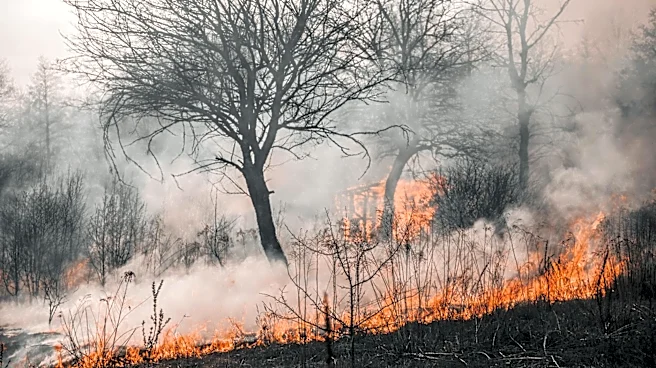
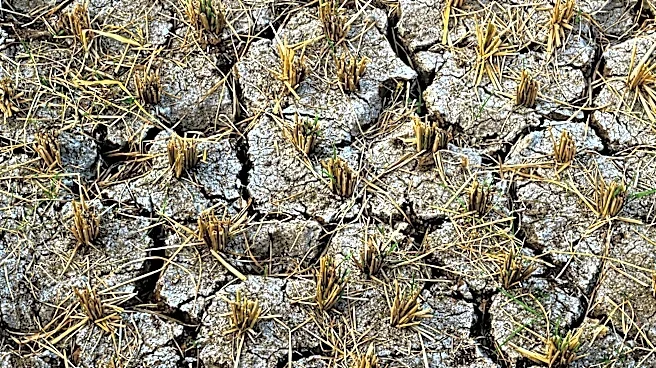
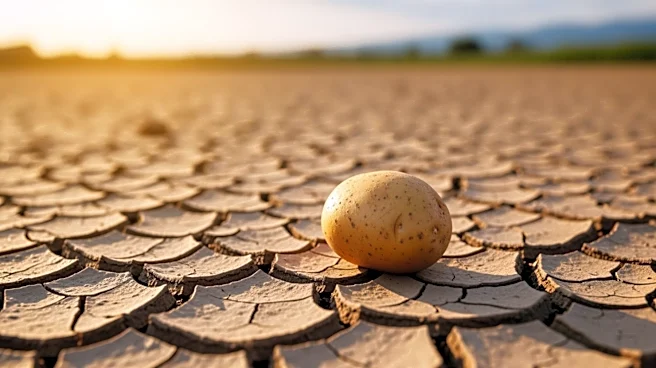
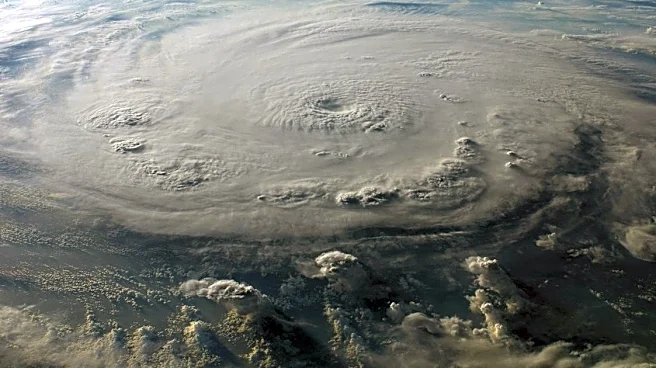
The El Niño climate phenomenon is expected to emerge between May and July 2026, posing significant risks to global agriculture, particularly the potato industry. Potatoes, which are sensitive to temperature and moisture changes, may face challenges due
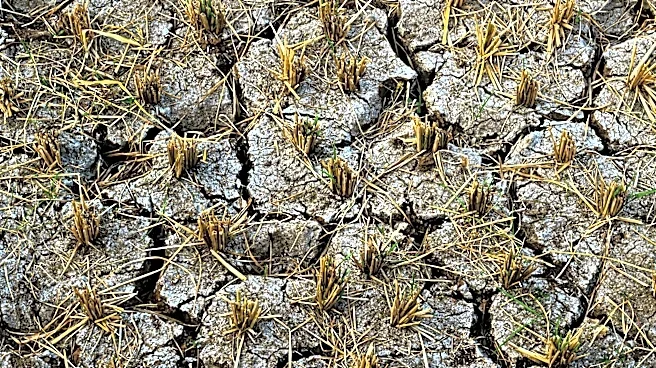
to the anticipated climate variability. El Niño conditions can lead to droughts in some regions and excessive rainfall in others, affecting potato growth and yield. This variability can cause regional production imbalances, impacting the global supply chain and leading to potential price volatility in potato markets.
Why It's Important?
The potential impact of El Niño on the potato industry highlights the broader vulnerability of agriculture to climate variability. Potatoes are a staple food in many countries, and disruptions in their supply can lead to food inflation and economic stress, particularly in regions heavily reliant on potato production. The anticipated climate conditions could strain irrigation systems, increase disease prevalence, and affect the quality of potatoes, impacting both fresh and processed markets. This situation underscores the need for climate-resilient agricultural practices and infrastructure to mitigate the effects of such climate events.
What's Next?
As the likelihood of El Niño conditions increases, stakeholders in the potato industry may need to adopt proactive measures to enhance resilience. This could include developing heat- and drought-tolerant potato varieties, improving irrigation efficiency, and strengthening supply chain logistics. Additionally, climate-informed forecasting tools could play a crucial role in planning and decision-making processes. The industry may also need to explore alternative strategies to manage potential supply shortages and price fluctuations.
Beyond the Headlines
The recurring nature of El Niño events, coupled with ongoing climate change, suggests that such climate-induced disruptions could become more frequent and severe. This elevates the importance of integrating climate risk management into agricultural planning and policy-making. The potato industry, as a microcosm of broader agricultural challenges, may serve as a critical indicator of the need for systemic changes to address climate resilience across the food supply chain.