







What's Happening?
Newsweek, in collaboration with global data analytics firm Statista, has initiated the seventh-annual ranking of America's Best Addiction Treatment Centers. This survey aims to guide individuals and families in selecting top-tier substance abuse treatment
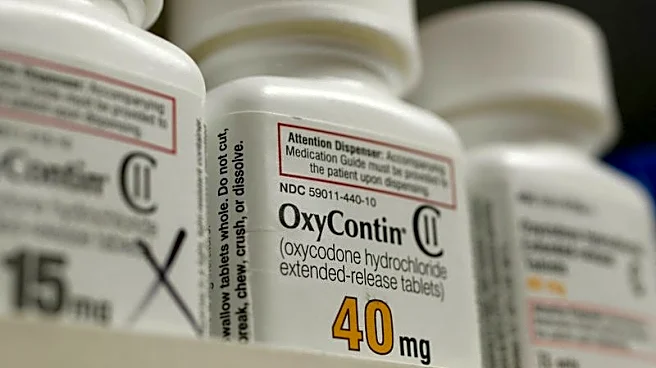
facilities across the United States. The survey, which is open until May 31, 2026, involves medical professionals in the addiction treatment industry to identify leading treatment centers. Last year's survey recognized 420 inpatient, long-term, and residential addiction treatment centers across 25 states, with additional regional lists for states not individually surveyed. The initiative comes in response to the significant impact of substance abuse disorders in the U.S., where factors such as overprescription of painkillers, alcohol reliance, and genetic predispositions contribute to the issue. According to data from the National Survey on Drug Use and Health, 48.2 million people aged 12 or older had a substance use disorder in 2024.
Why It's Important?
The survey is crucial as it addresses the ongoing challenge of substance abuse disorders in the United States, affecting millions annually. By identifying and ranking the best addiction treatment centers, the survey provides a valuable resource for those seeking effective treatment options. This initiative not only highlights the importance of quality care in addiction treatment but also encourages facilities to maintain high standards. The collaboration with Statista ensures a comprehensive and data-driven approach, enhancing the credibility and utility of the rankings. As substance abuse continues to be a major public health issue, such efforts are vital in supporting recovery and reducing the societal impact of addiction.
What's Next?
The survey will remain open until the end of May 2026, allowing ample time for medical professionals to contribute their insights. Following the survey period, the results will be compiled and published, providing a detailed ranking of the top addiction treatment centers in the U.S. This publication will serve as a guide for individuals and families seeking treatment options. Additionally, the survey's findings may influence policy decisions and funding allocations for addiction treatment programs, potentially leading to improvements in the availability and quality of care. Stakeholders in the healthcare and addiction treatment sectors will likely monitor the survey's outcomes closely.