



What's Happening?
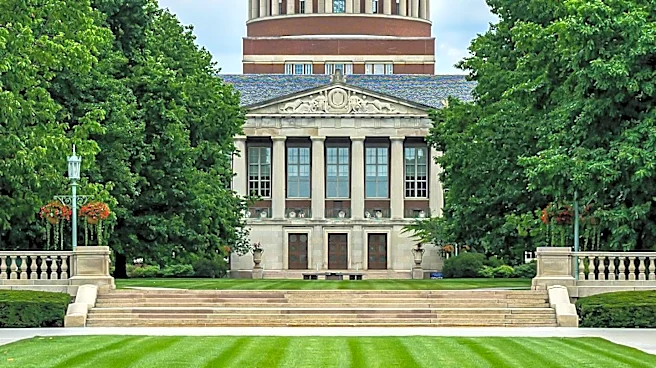
Hunter College's Undergraduate Student Government (USG) canceled a cultural arts festival that was scheduled for Monday. The cancellation has sparked controversy, with some Jewish groups asserting that Hillel's involvement was the reason. USG initially
released two differing statements regarding the cancellation. The first statement, signed by USG President Sumaiya Ahmed and Vice President Ahmad Waraich, cited miscommunication and a lack of awareness among members about the event, stating it did not align with their values. However, less than 24 hours later, USG issued a second, unsigned statement that specifically cited safety concerns and the withdrawal of several participating student organizations as reasons for the cancellation. Yonathan Eilon, Hillel student president, noted that comments on the initial USG post, which were later deleted, largely attributed the cancellation to Hillel's participation or other student groups' reluctance to collaborate with Hillel due to fear of backlash. Other groups involved in the festival included the Taiwanese Student Association, Peruvian Student Association, Chinese Student and Scholar Association, and Students for Justice in Palestine.
Why It's Important?
This incident at Hunter College highlights growing tensions and challenges faced by Jewish student organizations on U.S. college campuses. The perception that Hillel's involvement led to the cancellation of a cultural event, regardless of the official reasons provided, underscores a broader climate of scrutiny and protest against Hillels nationwide. Jewish students, like Yonathan Eilon, express concerns about their safety and an 'abundance of ambient antisemitism,' including social isolation and intimidating protest banners. This situation reflects a contentious debate surrounding Zionist bans, where opposition to Hillel's connection to Israel is often perceived by Jewish students and advocates as a veiled form of antisemitism. The call for a Title VI investigation by New York City Council members Eric Dinowitz and Virginia Maloney indicates the seriousness with which these allegations of discrimination are being viewed, potentially setting a precedent for how universities address similar conflicts in the future.
What's Next?
Students and faculty at Hunter College are awaiting an official response from the university regarding the cancellation and the allegations of discrimination. USG has remained silent since its second statement, even disabling comments on its post due to 'safety concerns and hateful rhetoric.' The request for a Title VI investigation by New York City Council members could lead to a formal inquiry into whether the incident constitutes discrimination based on race, color, or national origin. This investigation would examine the university's adherence to federal civil rights laws. The outcome of such an investigation could have significant implications for Hunter College and potentially other institutions grappling with similar issues, influencing policies on student organization collaborations, event approvals, and campus safety protocols related to religious and cultural groups. The ongoing debate about Zionist bans and the distinction between political opposition and antisemitism will likely continue to evolve on college campuses.
Beyond the Headlines
The controversy at Hunter College reflects a deeper societal struggle over identity, free speech, and inclusivity within academic environments. The incident underscores the complex interplay between student activism, geopolitical conflicts, and campus politics. The fear of backlash cited by some student groups for not wanting to collaborate with Hillel points to a chilling effect on intergroup dialogue and collaboration, hindering efforts to foster a truly inclusive campus community. This situation also raises questions about the role of student governments in navigating sensitive political and cultural issues, and their responsibility to ensure equitable treatment for all student organizations. The broader trend of Hillels being scrutinized and protested across the country suggests a significant challenge to Jewish student life, potentially leading to increased isolation and marginalization of Jewish students if not addressed effectively by university administrations. The incident highlights the need for clear institutional guidelines that protect all students from discrimination while upholding principles of free expression.