



What's Happening?
Diesel prices in the United States have risen significantly, with the national average reaching $5.313 per gallon, an increase of 18 cents from the previous week. This rise is linked to ongoing conflicts in the Middle East, particularly the Iran War and
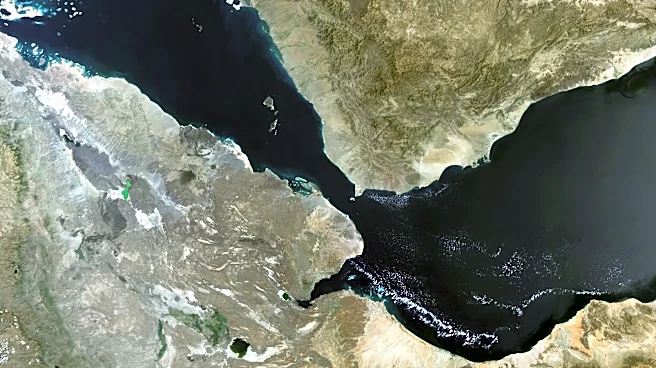
disruptions in major oil trade routes like the Strait of Hormuz and the Red Sea. The blockade by Yemen's Houthis against Saudi Arabian oil exports has further exacerbated the situation. The increase in diesel prices is part of a broader trend of rising fuel costs, with gasoline prices also seeing a 10-cent increase.
Why It's Important?
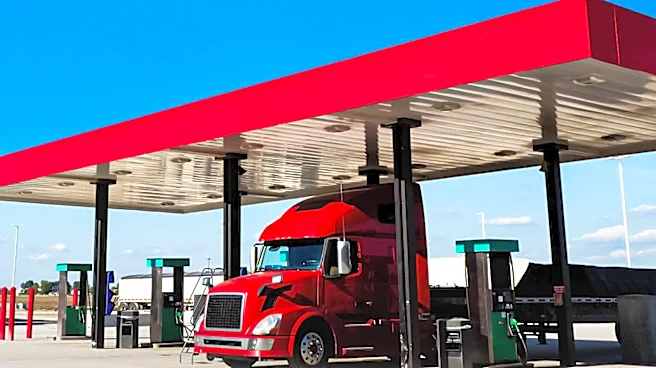
The surge in diesel prices has a direct impact on the transportation and logistics sectors, increasing operational costs for carriers and potentially leading to higher prices for goods. This situation adds to the financial strain on businesses and consumers already facing inflationary pressures. The geopolitical tensions in the Middle East highlight the interconnectedness of global energy markets and the potential for regional conflicts to have widespread economic repercussions. The rising costs could also influence public opinion and policy discussions around energy independence and alternative fuel sources.
What's Next?
As the conflict in the Middle East continues, fuel prices may remain volatile, prompting calls for government intervention to stabilize the market. Carriers and logistics companies may need to adjust their pricing strategies to cope with increased costs. Policymakers might explore options to enhance energy security and reduce reliance on foreign oil. The situation could also accelerate the push for renewable energy solutions and investments in domestic energy infrastructure.