




What's Happening?
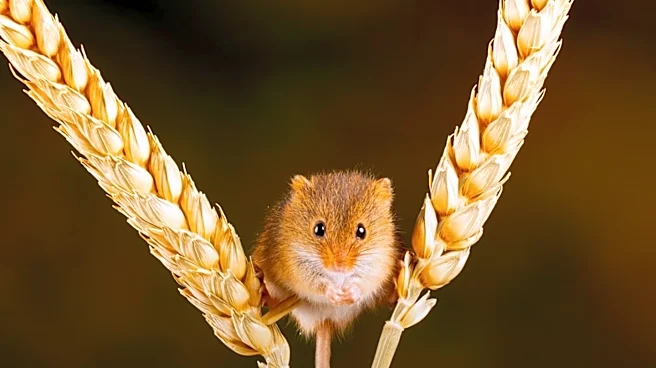
New research published in 'Nature Communications' reveals that wild mice on farms serve as significant reservoirs for antibiotic resistance genes (ARGs). A team led by the Leibniz Institute for Zoo and Wildlife Research (Leibniz-IZW) and the Max Delbrück
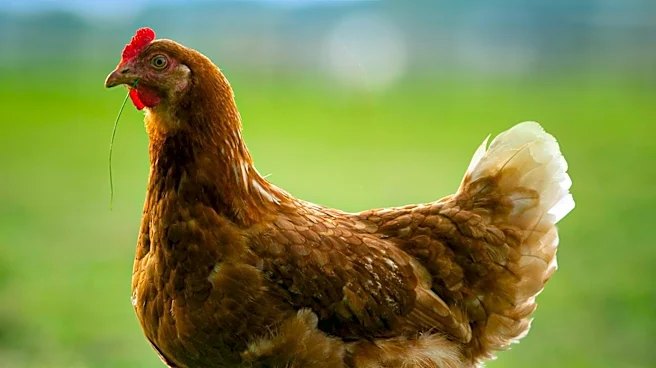
Center analyzed gut microorganisms from 875 wild house mice collected from German farms. They discovered that these wild mice carry approximately 50 percent of the ARGs found in livestock such as cattle, pigs, and poultry. The study correlated the presence of ARGs in mice with various environmental and host factors, including land use, farming practices, livestock density, and the mice's own characteristics. The intensity of livestock farming was found to play a decisive role in the transfer of these resistance genes into the mice's microbiome. This finding indicates that antibiotic resistance is not confined to clinical or agricultural settings but extends into wildlife populations.
Why It's Important?
The identification of wild mice as reservoirs for antibiotic resistance genes has profound implications for public health and the global fight against antimicrobial resistance (AMR). This research demonstrates that ARGs can easily cross ecological boundaries between humans, farm animals, and wildlife, creating a complex web of resistance. The presence of these genes in wild populations means that even if antibiotic use is reduced in human medicine and agriculture, resistance can persist and potentially re-emerge from environmental sources. This complicates efforts to control AMR and highlights the need for a more holistic 'One Health' approach that considers the interconnectedness of human, animal, and environmental health. The findings suggest that current resistance monitoring, which often focuses on clinical and livestock contexts, is insufficient and must be expanded to include wildlife and natural ecosystems to effectively track and combat the spread of AMR.
What's Next?
The study's findings call for a re-evaluation of how antibiotic resistance is monitored and managed. Researchers recommend expanding resistance monitoring beyond clinical and livestock contexts to include wild animals and natural ecosystems. This broader approach would help create a clearer 'map' of how human-shaped ecosystems influence the evolution of microorganisms in the environment. Future research will likely focus on understanding the specific pathways of ARG transfer between livestock and wild animals, and how environmental factors contribute to the persistence and spread of resistance. This could lead to the development of new strategies for mitigating AMR, such as improved waste management on farms, reduced antibiotic use in agriculture, and interventions aimed at limiting contact between wildlife and agricultural environments. The goal is to develop a more comprehensive and integrated approach to combatting the global health crisis of antibiotic resistance.
Beyond the Headlines
The discovery that wild mice act as significant reservoirs for antibiotic resistance genes underscores a critical, often overlooked, dimension of the antimicrobial resistance crisis. It highlights the concept of 'ecological bridges' through which resistance can spread, challenging the traditional view of AMR as primarily a human or livestock problem. This interconnectedness implies that even seemingly isolated interventions in one sector might be undermined by persistent reservoirs in another. The ethical implications extend to how human activities, particularly intensive agriculture, impact the broader environment and its inhabitants, creating unintended consequences for public health. Culturally, this research may shift perceptions of wildlife, from mere bystanders to active participants in the epidemiology of resistance. Long-term, it necessitates a fundamental rethinking of our relationship with the environment and the need for sustainable practices that consider the health of all living systems to effectively address global health threats.