






What's Happening?
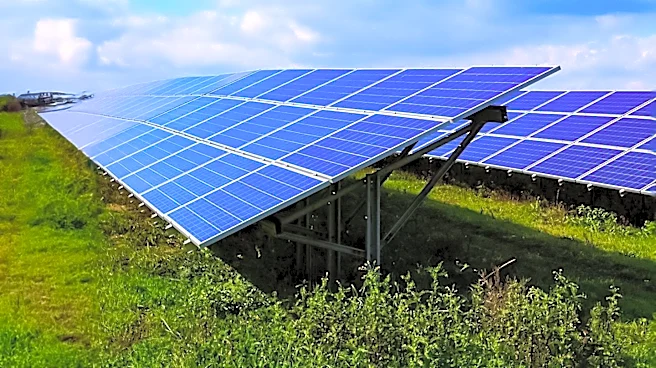
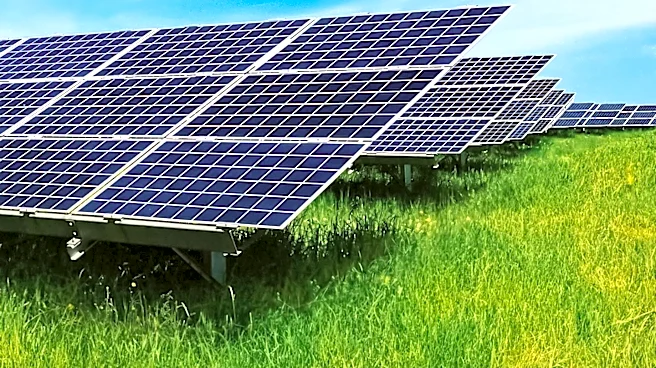
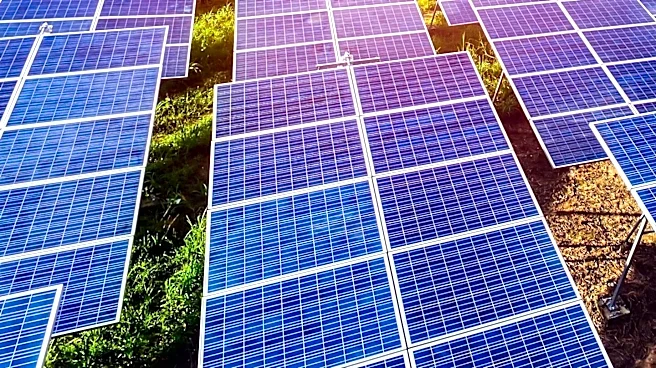
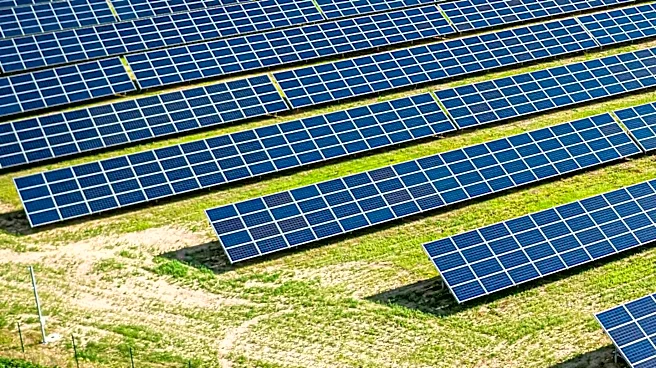
Global South Utilities (GSU), an Abu Dhabi-based company, has inaugurated a 50MW solar photovoltaic power plant in Sakaï, located on the outskirts of Bangui, the capital of the Central African Republic. This significant infrastructure project was completed
approximately one year after breaking ground. The new solar plant aims to substantially enhance the country's electricity generation capacity, which is crucial for its economic and social development. The Central African Republic has historically faced challenges with energy access and reliability, and this project represents a major step towards addressing those issues. The inauguration marks a milestone in the country's efforts to diversify its energy mix and reduce its reliance on traditional, often unreliable, power sources. The plant's completion is expected to provide a more stable and sustainable power supply to residents and businesses.
Why It's Important?
The inauguration of the 50MW solar plant is profoundly important for the Central African Republic's development trajectory. Reliable access to electricity is a fundamental driver of economic growth, enabling businesses to operate more efficiently, supporting industrialization, and improving the quality of life for citizens. Enhanced electricity generation capacity can lead to the creation of new jobs, attract foreign investment, and foster the growth of small and medium-sized enterprises. Socially, it can improve access to education through illuminated schools, enhance healthcare services by powering medical facilities, and increase overall household well-being. Furthermore, by investing in renewable energy, the Central African Republic is contributing to global efforts to combat climate change and reduce carbon emissions, aligning with sustainable development goals. This project signifies a move towards energy independence and resilience for the nation.
What's Next?
With the new solar plant now operational, the Central African Republic is expected to experience an immediate improvement in its energy supply stability and capacity. The government will likely focus on integrating this new power source into the national grid and ensuring its efficient distribution to various regions. There may be further initiatives to expand renewable energy infrastructure, potentially attracting more international investors and developers. The success of this project could serve as a model for future energy development projects in the country and the broader region. Additionally, the increased power availability could stimulate economic activities, leading to the establishment of new industries and services. The long-term impact will depend on effective management, maintenance of the plant, and continued investment in energy infrastructure to meet growing demand.
Beyond the Headlines
The completion of the Sakaï solar plant extends beyond mere electricity generation; it represents a critical step in the Central African Republic's journey towards greater self-sufficiency and stability. Energy independence can reduce geopolitical vulnerabilities and provide the government with more leverage in international relations. Ethically, providing reliable power can significantly improve human development indicators, addressing issues of poverty and inequality. Culturally, access to electricity can transform daily life, enabling greater connectivity, access to information, and opportunities for education and entertainment. This project also highlights the growing role of international partnerships, particularly from the Gulf States, in supporting infrastructure development in African nations. It underscores a shift towards sustainable development models that prioritize environmental responsibility alongside economic growth, setting a precedent for future development initiatives in the region.