







What's Happening?
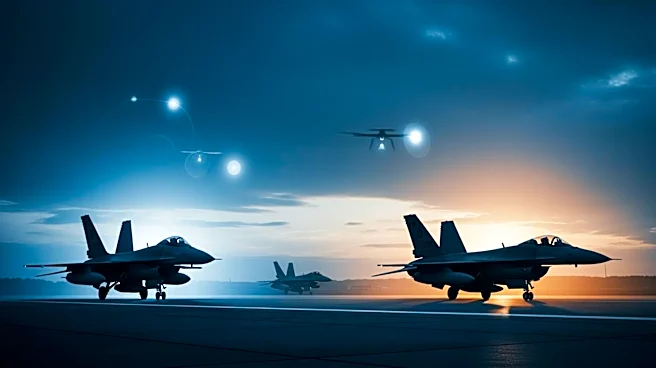
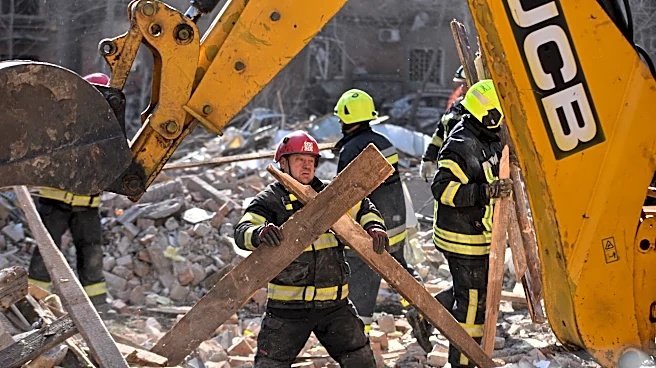
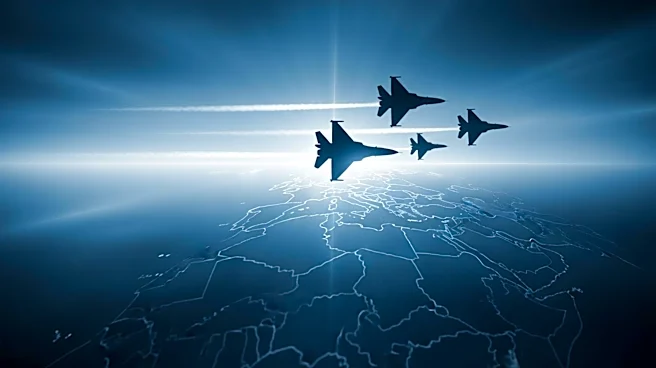
NATO has heightened its military readiness following Russian airstrikes near the borders of Ukraine, which have raised concerns about potential airspace violations along the alliance's eastern flank. In response, NATO members, including Poland and Romania,
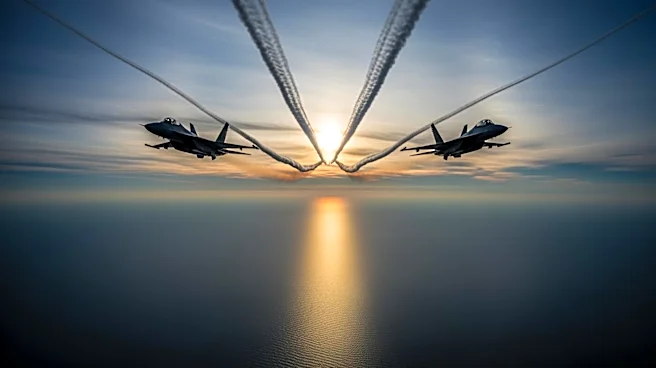
have launched fighter jets and placed air defense systems on high alert. The Polish military confirmed that both Polish and allied aircraft were deployed after Russia conducted an airstrike on Ukrainian territory. This move is part of a broader effort to secure the airspace and prevent any escalation that could threaten NATO member states. The situation has also prompted Romania to reinforce its commitment to NATO obligations, emphasizing the need for vigilance and cooperation among allies.
Why It's Important?
The recent Russian military actions near NATO borders underscore the ongoing tensions between Russia and the alliance, particularly in the context of the Ukraine conflict. These developments highlight the risks of miscalculation and the potential for escalation, which could have significant implications for regional security and stability. For NATO, maintaining the integrity of its airspace is crucial for collective defense, and any perceived threats necessitate a swift and coordinated response. The situation also reflects the broader geopolitical struggle in Eastern Europe, where NATO's presence serves as a deterrent against further Russian aggression. The alliance's readiness to respond to such provocations is vital for reassuring member states and deterring potential threats.
What's Next?
As the situation evolves, NATO is likely to continue monitoring the region closely and may increase its military presence if necessary. The alliance's response will depend on Russia's actions and the potential for further provocations. Diplomatic efforts may also be intensified to address the underlying tensions and seek a resolution to the conflict in Ukraine. Additionally, NATO member states may engage in discussions to enhance their collective defense strategies and ensure that they are prepared for any future challenges. The ongoing conflict in Ukraine and its implications for NATO will remain a key focus for policymakers and military leaders in the coming months.
Beyond the Headlines
The recent events highlight the complex dynamics of international law and the challenges of maintaining peace and security in a volatile region. Russia's actions have been criticized for violating international norms, raising questions about the effectiveness of existing legal frameworks in deterring aggressive behavior. The situation also underscores the importance of alliances like NATO in providing a collective security mechanism that can respond to threats and uphold international order. As tensions persist, there may be increased calls for diplomatic engagement and conflict resolution efforts to prevent further escalation and promote stability in the region.