
What's Happening?
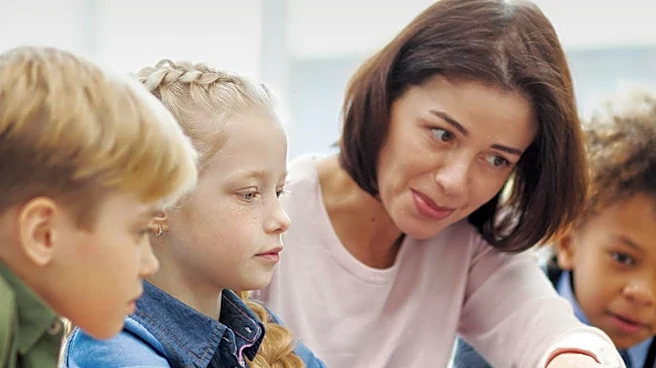
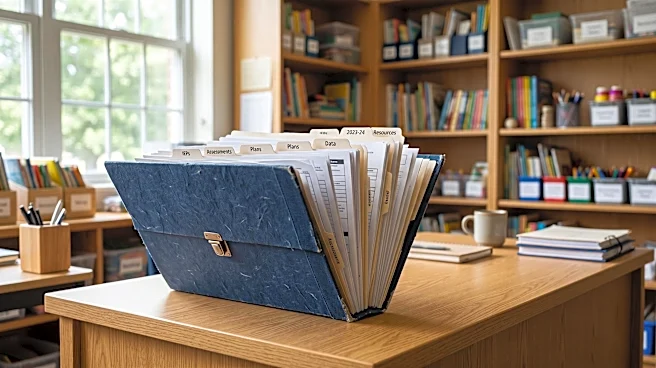
NPR correspondent Jonaki Mehta and her team are following a dozen special education teachers across the U.S. for a year to document their experiences. This project aims to understand the realities of their demanding roles, which involve both classroom
instruction and extensive legal paperwork. The initiative was prompted by the persistent shortage of special education teachers, a problem that has existed for over 50 years and is worsening as the number of students with disabilities reaches record highs. Teachers are sharing their stories through regular voice memos, detailing moments of self-doubt, joy, and the daily struggles they face. Many teachers have expressed that this opportunity to share their experiences feels therapeutic, as they often feel unheard and misunderstood in their profession. The project seeks to shed light on why this shortage persists and what it truly means to be a special education teacher today.
Why It's Important?
The ongoing shortage of special education teachers in the U.S. has significant implications for the education system and the well-being of students with disabilities. With the number of students requiring specialized services at an all-time high, a lack of qualified educators can lead to larger class sizes, reduced individualized attention, and potential delays in students meeting their educational goals. This project by NPR is crucial for raising public awareness about the challenges these teachers face, including burnout, heavy workloads, and the emotional toll of their work. By highlighting their stories, it can foster greater understanding and potentially influence policy discussions around teacher recruitment, retention, and support for special education programs. Ultimately, the quality of special education directly impacts the developmental and academic progress of a vulnerable student population, making this issue vital for the future of American education.
What's Next?
The NPR team plans to continue collecting voice memos from the participating special education teachers throughout the school year. The next phase of the project involves in-person visits to some of these teachers in their classrooms. This will require navigating complex student privacy concerns and obtaining necessary permissions from schools. The goal is to provide a more intimate and direct look into the daily lives and interactions of these educators and their students. The ongoing documentation will likely culminate in a comprehensive series of reports or a documentary, offering a detailed account of the special education landscape in the U.S. The insights gained could inform future educational policies, teacher training programs, and public initiatives aimed at supporting special education teachers and students.
Beyond the Headlines
The NPR project delves into the less visible emotional and psychological aspects of teaching special education. Many teachers describe their participation as therapeutic, indicating a profound need for recognition and understanding within the profession. This highlights a broader societal issue: the undervaluation of emotionally demanding professions, particularly in education. The project also touches upon the increasing number of students with disabilities, attributed to better identification, earlier screening, and broader eligibility categories. This suggests a positive shift in awareness and reduced stigma, but it simultaneously places greater strain on an already under-resourced system. The long-term implications include the need for systemic changes in how special education is funded, supported, and integrated into the broader educational framework to ensure both teacher well-being and student success.