
What's Happening?
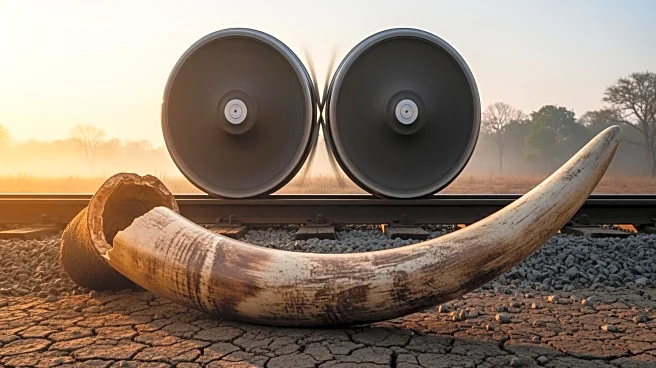
A high-speed passenger train in India's northeastern state of Assam collided with a herd of wild Asiatic elephants, resulting in the deaths of seven elephants and injuring a calf. The incident occurred
when the train, traveling from Mizoram to New Delhi, encountered the herd crossing the tracks. Despite the train driver's attempt to use emergency brakes, the collision was unavoidable. The impact caused the derailment of five train coaches and the engine, though no human casualties were reported. The accident site is not a designated elephant corridor, highlighting the challenges of wildlife conservation in areas with active railway lines.
Why It's Important?
This tragic incident underscores the ongoing conflict between wildlife conservation and infrastructure development in India. Assam, home to a significant population of wild Asiatic elephants, frequently experiences such collisions, raising concerns about the safety of both wildlife and human passengers. The event highlights the need for improved measures to protect wildlife, such as the establishment of designated corridors and the implementation of technology to detect and prevent such accidents. The incident also draws attention to the broader issue of balancing development with environmental conservation.
What's Next?
In response to the incident, Indian Railways and wildlife conservation authorities may consider implementing additional safety measures to prevent future collisions. This could include the installation of warning systems, speed restrictions in high-risk areas, and the creation of more designated elephant corridors. The incident may also prompt discussions on enhancing collaboration between railway authorities and conservationists to develop sustainable solutions that protect both wildlife and human interests.
Beyond the Headlines
The collision raises ethical questions about the impact of human infrastructure on wildlife habitats. It highlights the need for a more integrated approach to development that considers the ecological implications of expanding transportation networks. The incident may also influence public opinion and policy decisions regarding wildlife conservation and infrastructure planning in India and other regions facing similar challenges.