
What's Happening?
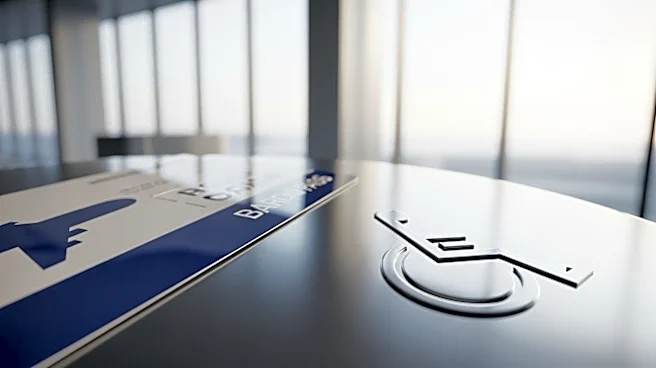
Marissa Bode, an actor known for her role in 'Wicked,' was denied boarding on a Southern Airways flight due to her disability. Bode, who uses a wheelchair, was unable to board a small aircraft because
she could not climb stairs, a requirement stated by the airline for boarding. The incident occurred despite prior arrangements made by her manager to ensure accessibility. Following the incident, the airline's director reached out to Bode, expressing regret and committing to an internal review to improve accessibility for disabled passengers. Bode emphasized her desire for systemic changes rather than personal compensation, urging airlines to proactively accommodate disabled travelers.
Why It's Important?
This incident highlights ongoing challenges faced by disabled travelers in the airline industry, despite legal protections like the Air Carrier Access Act, which prohibits discrimination based on disability. The situation underscores the need for airlines to reassess their policies and infrastructure to ensure accessibility for all passengers. The response from Southern Airways, including an apology and a commitment to review their practices, could set a precedent for other airlines to follow. This case also raises awareness about the broader issue of accessibility in public transportation, potentially influencing future regulatory changes and industry standards.
What's Next?
Southern Airways has initiated an internal review to address the incident and improve their services for disabled passengers. The outcome of this review could lead to policy changes within the airline, potentially influencing industry-wide practices. Advocacy groups for disabled travelers may use this incident to push for stricter enforcement of accessibility laws and better accommodations across all airlines. The situation may also prompt discussions among policymakers about enhancing regulations to ensure equal access to air travel for disabled individuals.
Beyond the Headlines
The incident with Marissa Bode brings to light the ethical responsibility of airlines to accommodate all passengers, regardless of physical ability. It challenges the industry to rethink its approach to accessibility, not just as a compliance issue but as a fundamental aspect of customer service. This case could inspire broader cultural shifts towards inclusivity and prompt airlines to engage with disabled communities to better understand and meet their needs. Long-term, this could lead to innovations in aircraft design and boarding processes that prioritize accessibility.