



What's Happening?
Cuba's Minister of Tourism, Juan Carlos García Granda, has revealed a significant reduction in the island's tourism workforce, with approximately 20,000 jobs lost between the end of 2025 and November 2026. The number of active tourism jobs plummeted from
103,000 to 83,000. These workers were not formally terminated but were reassigned as 'interruptos' to other state roles in hospitals and industries, a provision under Cuban labor law to avoid layoffs. This reassignment, however, means a substantial loss of income for these individuals, as tourism jobs offered lucrative hard currency tips and informal earnings. The decline is attributed to a sharp drop in international tourist arrivals, with only 477,707 visitors between January and September, a 65.1% decrease compared to the previous year. The situation has been worsened by U.S. sanctions against GAESA, the military conglomerate overseeing Cuban tourism, leading to the withdrawal of major foreign hotel chains like Meliá Hotels International and Iberostar, which collectively managed over 30,000 hotel rooms.
Why It's Important?
The collapse of Cuba's tourism sector has profound implications for the island's economy and its citizens. Tourism is a critical source of foreign currency, and its severe contraction exacerbates Cuba's existing economic challenges. The reassignment of 20,000 workers, while preventing formal unemployment, signifies a significant reduction in their earning potential, leading to widespread financial hardship. This situation highlights the direct impact of U.S. sanctions on the Cuban populace, as the withdrawal of international hotel chains is a direct consequence of these measures. The decline in tourism also affects related industries and services, creating a ripple effect throughout the economy. The government's continued investment in new hotel construction amidst widespread closures and low occupancy rates raises questions about resource allocation and economic planning in a crisis.
What's Next?
The Cuban government faces an urgent need to address the ongoing crisis in its tourism sector. While 176 economic reforms, including initiatives for private hotel management and independent travel agencies, were approved in June, their success is heavily dependent on the availability of fuel and air connectivity, both of which are critically low. Without a significant increase in tourist arrivals and a reversal of the trend of foreign hotel withdrawals, the sector is unlikely to recover soon. The U.S. sanctions continue to be a major impediment, and any future improvement would likely require a shift in U.S. policy or a substantial increase in tourism from other regions. The reassigned workers will continue to face reduced incomes, potentially leading to social and economic instability.
Beyond the Headlines
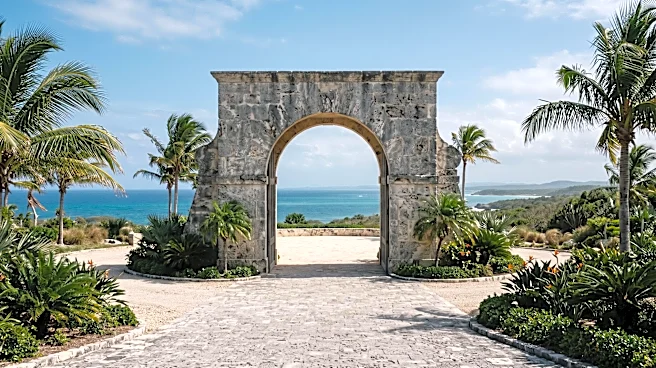
The crisis in Cuba's tourism sector reveals the complex interplay of international sanctions, economic policy, and social welfare. The 'interruptos' system, while designed to prevent formal layoffs, underscores the limitations of a state-controlled economy in adapting to external pressures. The loss of lucrative tourism jobs could lead to increased informal economic activity or emigration as individuals seek better opportunities. The situation also highlights the broader debate about the effectiveness of sanctions as a tool for political change, given their significant humanitarian and economic costs. The image of Varadero, once a vibrant tourist destination, becoming a 'ghost town' serves as a stark reminder of the fragility of economies heavily reliant on external factors and the profound impact of geopolitical tensions on everyday lives.