



What's Happening?
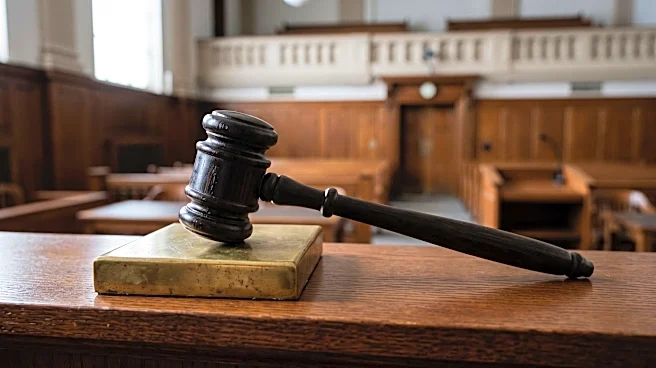
Four nonprofit organizations—Irreplaceable Education Fund, Public Citizen, Heat Initiative, and The Alliance for Secure AI—filed a civil lawsuit on November 12, 2026, in the Superior Court of California, County of San Francisco. The lawsuit targets five
major AI companies: OpenAI, Anthropic, Google, Meta, and SpaceX Super Intelligence (SpaceXSI). The plaintiffs are seeking an injunction to prevent these companies from developing or deploying AI systems more capable than their current most advanced ones. Additionally, the lawsuit aims to ban AI programs designed to autonomously improve themselves or direct AI research and development. The complaint alleges that these companies have knowingly created technology that poses catastrophic risks to humanity and that they cannot reliably control their AI systems. The legal claims are based on California’s Unfair Competition Law and a public nuisance theory. As of November 14, no judge has granted any injunction or temporary restraining order, and the defendants have not yet issued a substantive response.
Why It's Important?
This lawsuit represents a significant attempt to introduce judicial intervention into the rapid development of artificial intelligence in the U.S. The plaintiffs argue that the potential for catastrophic harm from advanced AI, including risks like bioweapons, cyberattacks, and loss of human control, necessitates a freeze on further development. This legal action could set a precedent for how courts address emerging technologies with acknowledged risks, particularly in the absence of comprehensive federal regulation. If successful, an injunction could significantly impact the business models of companies like OpenAI and Anthropic, whose core operations revolve around frontier models. For larger corporations such as Google, Meta, and SpaceX, a freeze could affect their AI divisions and related product development. The case highlights a growing tension between technological innovation and public safety concerns, potentially influencing future regulatory frameworks and corporate accountability in the AI sector.
What's Next?
The immediate next steps involve the defendants responding to the complaint, followed by court proceedings. Early legal battles are anticipated to focus on issues such as the plaintiffs' standing to bring the claims and the court's authority to issue such a broad injunction. A key challenge for the court will be defining what constitutes 'today's level' of AI capability, as the technology is rapidly evolving. Without a clear technical definition, enforcing a freeze would be complex. The lawsuit's progress will be closely watched by investors, who will be looking for signals such as the inclusion of the suit in risk disclosures, inquiries from enterprise customers regarding model availability, and questions from insurers and lenders about injunction risks. Regardless of the immediate outcome, the case is expected to fuel broader discussions among lawmakers and regulators regarding inspection regimes and capability limits for AI development.
Beyond the Headlines
This lawsuit delves into profound ethical and societal implications of advanced AI. By citing executives' own warnings about AI's potential for catastrophic harm, the plaintiffs are attempting to hold companies accountable for risks they acknowledge. This approach challenges the traditional legal framework, which often addresses harm after it has occurred, by seeking preventative action against potential future dangers. The case also highlights the difficulty of regulating rapidly advancing technology through existing legal mechanisms like unfair competition and public nuisance laws, which were not designed for this context. The outcome could influence the balance between innovation and caution in the tech industry, potentially leading to a re-evaluation of corporate responsibility in developing powerful, potentially uncontrollable technologies. It also underscores the ongoing debate about who should ultimately control the trajectory of AI development—private corporations or public oversight.