







What's Happening?
As the April 15 tax deadline approaches, American taxpayers are receiving larger federal tax refunds this year. This increase is attributed to the GOP's One Big Beautiful Bill Act, which included significant tax cuts and new deductions. The IRS did not
update withholding tables to reflect the new tax law, resulting in higher refunds as excess withholdings are returned. The bill also introduced deductions for tip income, overtime earnings, and auto-loan interest, and raised standard deductions for various filing statuses. Additionally, the deduction for state and local taxes (SALT) was temporarily increased, benefiting high-tax states like Illinois. These changes have led to a 10.6% increase in federal tax refunds compared to the previous year.
Why It's Important?
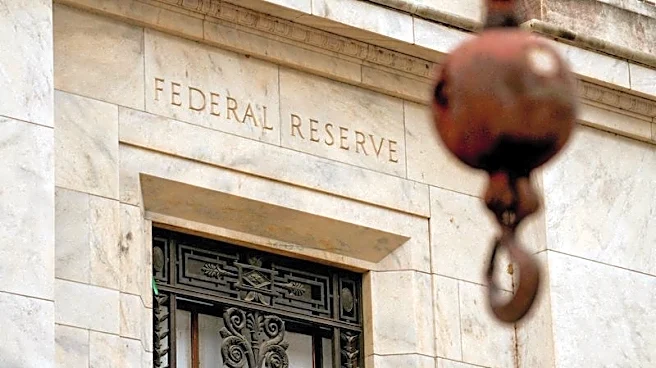
The increase in tax refunds is a double-edged sword. While it provides immediate financial relief to taxpayers, it also contributes to the growing national debt, which is projected to surpass $40 trillion this year. The One Big Beautiful Bill Act, by reducing tax revenues and increasing spending, is expected to add $4.1 trillion to the debt over the next decade. This situation raises concerns about the long-term fiscal health of the U.S. economy. Federal Reserve Chair Jerome Powell has warned that the current fiscal trajectory is unsustainable, potentially leading to inflation, higher borrowing costs, and economic instability. The debate continues between Democrats, who advocate for social spending, and Republicans, who prioritize tax cuts, with neither side addressing the need for fiscal responsibility.
What's Next?
The ongoing increase in national debt may prompt future policy discussions on balancing tax cuts with spending reductions. As the debt continues to grow faster than the economy, there may be calls for reforms in entitlement programs like Social Security and Medicare, which are major contributors to long-term deficits. Political leaders and policymakers will need to address these fiscal challenges to prevent potential economic consequences such as inflation and reduced government services. The temporary nature of some tax cuts, like the SALT deduction, may also lead to further legislative debates on whether to make these changes permanent.
Beyond the Headlines
The larger tax refunds highlight a broader issue of fiscal management in the U.S. The lack of deficit hawks and fiscal conservatives in the current political landscape suggests a shift in priorities away from long-term economic stability. This trend could have cultural implications, as future generations may face the burden of addressing the consequences of today's fiscal policies. The debate over tax cuts versus social spending reflects deeper ideological divides in American politics, with potential impacts on public trust in government and economic policy.