







What's Happening?
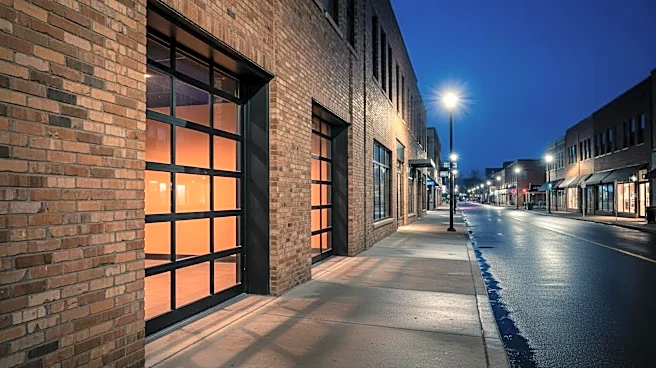
Jen-Chase Daniels, co-owner of My Sister’s Room, a lesbian bar in Atlanta, claims she was arrested on a Saturday night following a noise complaint. The incident report, filed by Atlanta Police Department officer Jayden Joseph, noted that while he did
not hear loud music from either establishment, he observed patrons inside My Sister’s Room projecting their voices loudly with the garage door open. Daniels disputes the noise violation, stating that the noise was coming from another bar, Blackjack, further down the street, which had outdoor speakers on after hours. She had previously helped arrange a meeting with APD officials and other local bars to clarify noise ordinance requirements, including physically marking a 100-foot distance for audibility. Daniels alleges that despite her attempts to show video evidence that the noise was not originating from her establishment, she was arrested. Following her arrest, she was taken to Grady Memorial Hospital due to an implanted heart monitor and later transferred to jail.
Why It's Important?
This incident highlights ongoing tensions between LGBTQ+ nightlife venues and local authorities regarding noise ordinances and policing practices. For many in the LGBTQ+ community, bars like My Sister’s Room serve as crucial community anchors and safe spaces, making disputes over their operation particularly sensitive. The co-owner's arrest, despite an officer's initial observation of no loud music, raises questions about the subjective enforcement of noise regulations and potential biases against queer establishments. The broader implications touch upon the treatment of LGBTQ+ businesses by law enforcement and whether such venues face disproportionate scrutiny compared to other establishments. This event could fuel discussions about fair policing, community support for LGBTQ+ spaces, and the need for clear, objective standards in enforcing city ordinances to prevent perceived discrimination.
What's Next?
My Sister’s Room and the Atlanta Police Department have been contacted for further comment, indicating that more details or official statements may emerge. The incident could lead to a formal review of the arrest and the circumstances surrounding the noise complaint, potentially involving the city's legal department or community oversight bodies. There may be increased advocacy from LGBTQ+ rights organizations and community members for clearer guidelines on noise enforcement and for police sensitivity training regarding queer venues. This event might also prompt other LGBTQ+ bars to re-evaluate their noise mitigation strategies and engage proactively with local law enforcement to prevent similar incidents. Depending on the outcome, there could be legal challenges to the arrest or policy changes within the Atlanta Police Department regarding how noise complaints are handled, especially for nightlife establishments.
Beyond the Headlines
The arrest of Jen-Chase Daniels taps into a deeper historical context of LGBTQ+ nightlife venues often being targets of increased scrutiny and policing. Historically, these spaces have been vital for community building and activism, but they have also faced challenges ranging from raids to discriminatory enforcement of laws. The incident in Atlanta, where the co-owner was arrested for patrons' voices being too loud, rather than music, suggests a potentially subjective interpretation of noise ordinances. This raises ethical questions about the discretion afforded to individual officers and whether such discretion is applied equitably across all businesses. The community's strong reaction, including comments questioning discriminatory practices, underscores the perception that LGBTQ+ venues are sometimes treated differently. This event could contribute to a broader conversation about the role of police in regulating social spaces and the importance of protecting cultural and community hubs, particularly for marginalized groups.