


What's Happening?
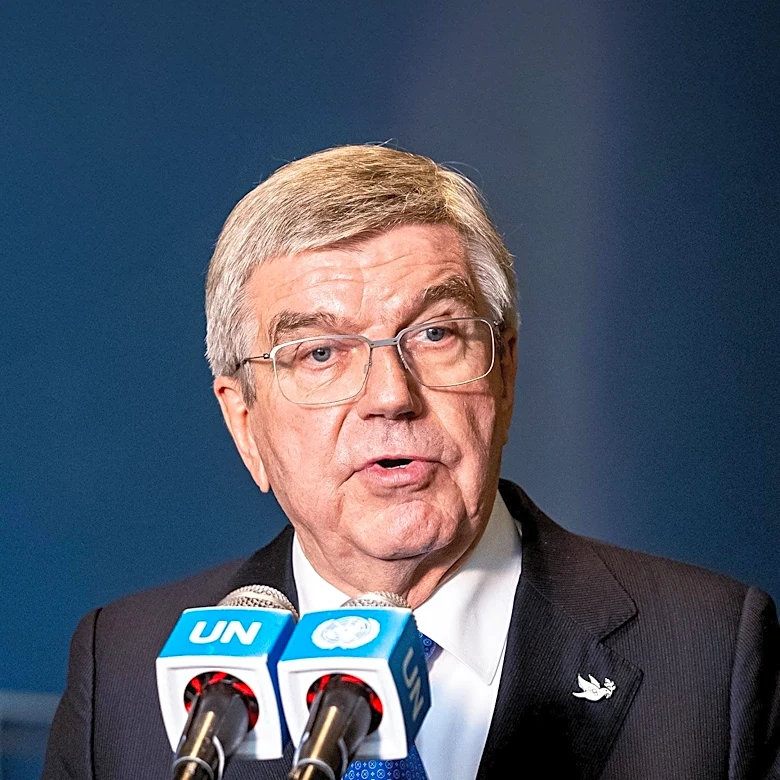
Senator John Hoeven recently engaged in discussions with Katherine Fox, Acting Regional Administrator for FEMA Region 8, to advance nearly $75 million in infrastructure projects across North Dakota. These projects are set to benefit communities including
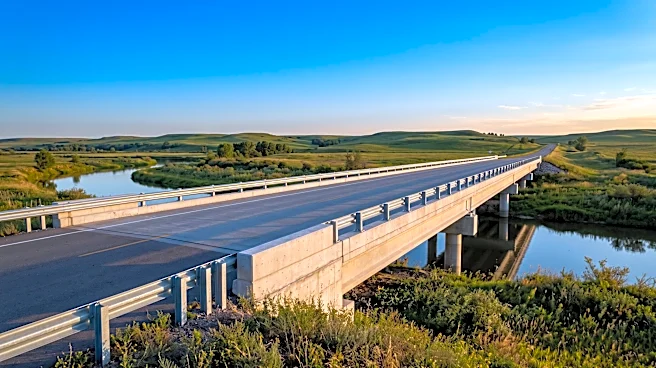
Bismarck, Lincoln, Washburn, and Fessenden. A significant focus of these efforts is the South Bismarck Flood Control Project, which aims to enhance flood protection for local residents and businesses. In 2023, the City of Bismarck was awarded $50 million through FEMA's Flood Mitigation Assistance (FMA) program for this initiative, with $7.3 million already allocated for Phase 1 preconstruction. The city plans to seek approval for the remaining $42.7 million for Phase 2 construction later this fall, with construction anticipated to begin in 2027. Additionally, the University of Mary is seeking $9.1 million in FEMA Building Resilient Infrastructure and Communities (BRIC) grant funding to upgrade its wastewater system. Other BRIC-funded projects include a $7.76 million wastewater system regionalization project in Lincoln, a $7 million water intake improvement project in Washburn, and a $1.9 million wastewater lagoon project in Fessenden, the latter of which has already received official funding.
Why It's Important?
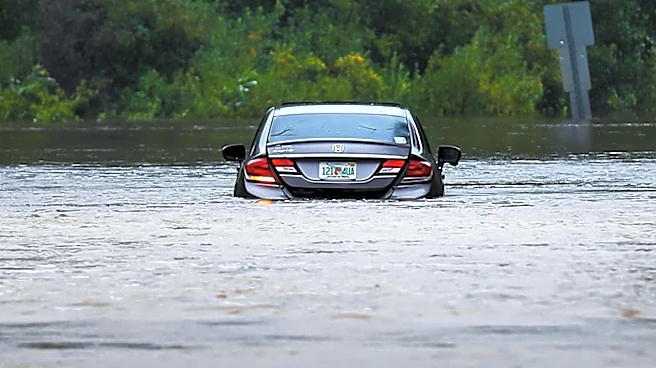
The advancement of these infrastructure projects is crucial for enhancing the resilience and sustainability of North Dakota communities. The South Bismarck Flood Control Project, once completed, is projected to remove approximately 1,000 structures from the floodplain under updated flood insurance maps. This will significantly reduce flood insurance requirements and costs for many property owners, providing substantial economic relief and long-term protection against flooding. The wastewater infrastructure upgrades, such as those at the University of Mary and in Lincoln and Fessenden, are vital for improving public health and environmental quality by ensuring efficient and sustainable wastewater management. The water intake improvement project in Washburn will bolster critical water infrastructure, safeguarding access to clean water. These investments not only address immediate infrastructure needs but also contribute to the long-term economic stability and growth of these regions by mitigating risks and improving essential services.
What's Next?
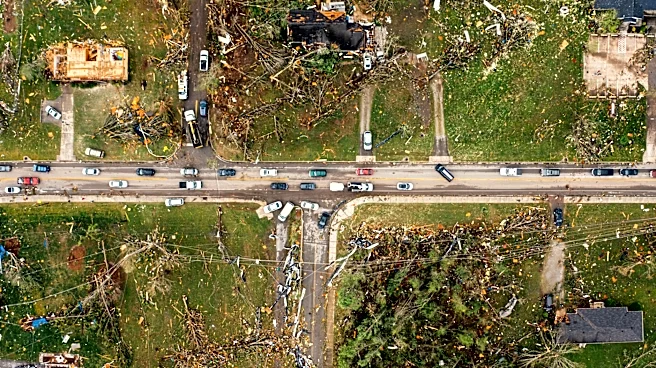
The City of Bismarck is expected to seek approval for the remaining $42.7 million in Phase 2 construction funding for the South Bismarck Flood Control Project later this fall, with construction slated to commence in 2027. The University of Mary's request for $9.1 million in BRIC grant funding for its wastewater system upgrades is currently under review at FEMA headquarters for final consideration. Federal funding for other BRIC projects across North Dakota, including those in Lincoln and Washburn, is anticipated to be rolled out between September 2026 and spring 2027. Additionally, state leaders are awaiting a presidential major disaster declaration for North Dakota following severe storms, straight-line winds, and tornadoes that impacted western and central parts of the state in June, which could unlock further federal assistance for disaster recovery.
Beyond the Headlines
These infrastructure investments extend beyond immediate flood control and wastewater management, touching upon broader themes of community resilience and adaptation to environmental challenges. The reduction in flood insurance requirements for South Bismarck residents highlights the economic burden that climate-related events can impose and how strategic infrastructure can alleviate it. The focus on upgrading aging infrastructure, particularly wastewater systems, underscores a national challenge in maintaining essential public services in the face of increasing demands and environmental regulations. Furthermore, the collaborative efforts between Senator Hoeven, FEMA, and local communities demonstrate the complex interplay of federal, state, and local governance in addressing critical infrastructure needs and securing funding. These projects represent a proactive approach to safeguarding communities against future environmental risks and ensuring sustainable development.