




What's Happening?
The World Meteorological Organization (WMO) is backing the development of South America's first regional Severe Weather Forecasting Programme, focusing on the La Plata Basin. This initiative aims to enhance forecasting capabilities and early warning services
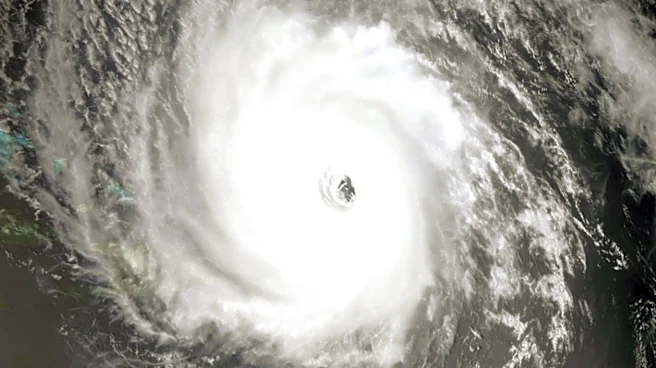
across five countries: Argentina, Bolivia, Brazil, Paraguay, and Uruguay. The region is prone to severe weather events such as heavy rainfall, floods, thunderstorms, hail, strong winds, tornadoes, and extreme temperatures, which disrupt communities, agriculture, transport, energy, and water management. The programme will leverage global, regional, and national expertise to provide timely and consistent forecasts, aiding decision-makers, emergency managers, and communities in mitigating the impacts of severe weather.
Why It's Important?
The initiative is crucial for improving the resilience of communities in the La Plata Basin, one of South America's most weather-exposed regions. By enhancing forecasting capabilities, the programme aims to reduce the adverse effects of severe weather on vital sectors such as agriculture, transport, and energy. The collaboration between global and regional partners, including the World Meteorological Centres in Montreal and Washington, and Brazil's National Institute for Space Research, will provide high-resolution modelling and nowcasting products. This will enable forecasters to monitor rapidly evolving weather systems and storms, ultimately leading to better-informed warnings and safer communities.
What's Next?
The pre-operational phase of the SWFP-La Plata Basin subprogramme is expected to begin in 2027, following the launch of a dedicated web portal and a training workshop for national focal points and operational forecasters. Brazil's National Meteorological Service will host the Regional Forecast Support Centre, with Argentina's National Meteorological Service providing backup support. This arrangement is vital for ensuring business continuity in a region vulnerable to severe weather and disruptions caused by power outages, natural hazards, and cyber incidents.