


What's Happening?
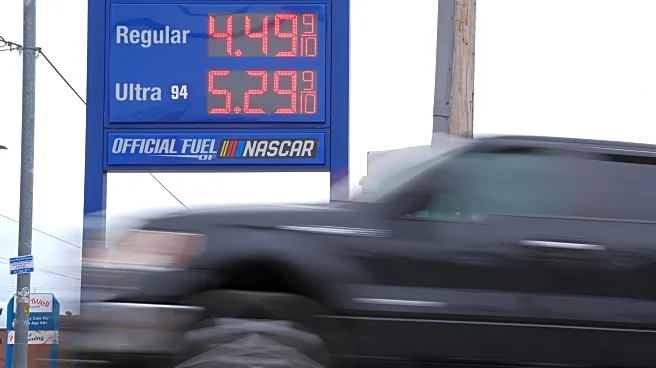
Gasoline prices in the U.S. have risen to $4.06 per gallon, driven by the ongoing conflict in Iran, which has disrupted global oil supplies. The average cost of gas has increased by 36% since the conflict began, with Brent crude oil prices significantly
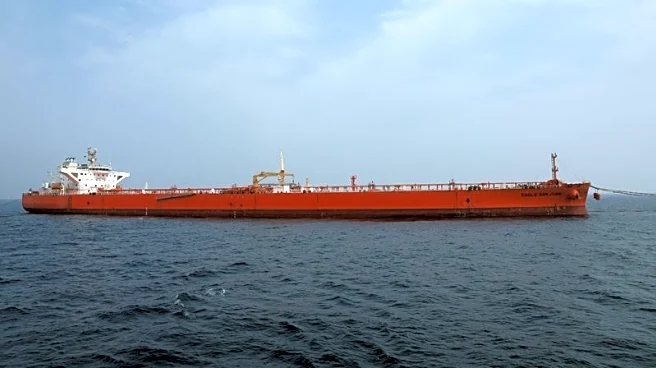
impacting the cost at the pump. The Strait of Hormuz, a vital passage for one-fifth of the world's oil supply, remains effectively closed, exacerbating the situation. President Trump is set to deliver a prime-time address to provide updates on the conflict and has indicated plans to negotiate a resolution with Iran. The White House has suggested that gas prices will decrease once the conflict is resolved.
Why It's Important?
The surge in gas prices is a direct consequence of geopolitical tensions affecting global oil supply chains. This increase places a financial burden on American consumers and businesses, potentially slowing economic growth. The situation underscores the vulnerability of energy markets to geopolitical events, highlighting the need for diversified energy sources and strategic reserves. President Trump's upcoming address may influence market expectations and consumer confidence, depending on the proposed resolution to the conflict. The administration's handling of the situation could have significant political and economic ramifications.
What's Next?
President Trump's address is expected to outline potential steps towards resolving the conflict with Iran, which could stabilize oil markets and reduce gas prices. However, experts predict that prices may continue to rise in the short term, affecting states like Michigan, Indiana, and Ohio. The administration's ability to negotiate a swift resolution will be crucial in mitigating further economic impacts. Stakeholders, including energy companies and consumers, will be closely monitoring the situation for signs of relief or further escalation.