






What's Happening?
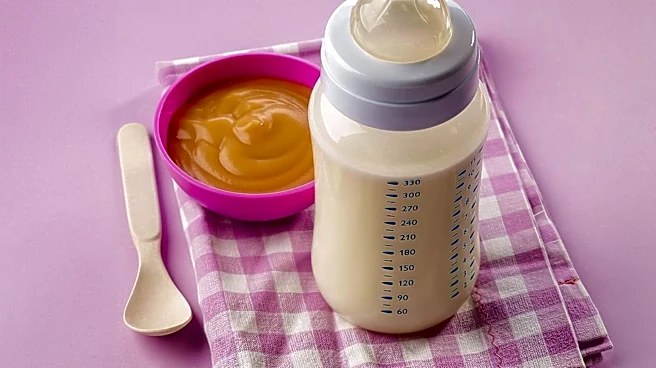
The Centers for Disease Control and Prevention (CDC) lists distilled water as safe for mixing infant formula, particularly for babies under two months, premature infants, or those with weakened immune systems. While distilled water removes minerals and chemicals,
it is not sterile, and for high-risk infants, water still needs to be heated to 158 degrees Fahrenheit (70 degrees Celsius) regardless of type. This heating is crucial because powdered infant formula is not sterile and can occasionally contain Cronobacter sakazakii bacteria, which can cause severe illness in vulnerable newborns. For healthy, full-term babies over two months, safe tap water is generally preferred by the American Academy of Pediatrics (AAP) due to its fluoride content, which aids in dental health. However, distilled water is recommended for households using well water or those with older plumbing that might contain lead, as distillation effectively removes these contaminants.
Why It's Important?
The guidance on water for infant formula is critical for public health, directly impacting the safety and well-being of infants across the U.S. The distinction between distilled, purified, and tap water, and the specific precautions for different infant groups, helps parents make informed decisions to prevent serious health risks. The CDC's emphasis on heating water to 158°F for vulnerable infants addresses the risk of Cronobacter sakazakii, a bacterium that, though rare, has a high mortality rate in infected newborns. This highlights the importance of adhering to precise preparation guidelines, especially given that automatic formula makers may not consistently reach the recommended temperature. Furthermore, the discussion on fluoride content in water for formula-fed babies addresses concerns about dental fluorosis, offering a balanced approach to ensure both safety and optimal development.
What's Next?
Parents and caregivers are advised to continue consulting their pediatricians for personalized guidance on infant formula preparation, especially for babies under two months, premature infants, or those with compromised immune systems. The CDC and AAP recommendations will likely continue to be disseminated through healthcare providers and public health campaigns to ensure widespread awareness. Manufacturers of infant formula and formula preparation machines may face increased scrutiny to ensure their products and instructions align with these safety guidelines, particularly regarding water temperature for high-risk infants. Ongoing research into water quality and infant health may lead to further refinements in recommendations, emphasizing the dynamic nature of public health advice.
Beyond the Headlines
The nuanced advice on water for infant formula underscores broader issues in public health communication and consumer understanding. The common misconception that 'distilled' equates to 'sterile' highlights the need for clearer labeling and educational efforts. The debate over fluoride in water for infants also touches on the balance between preventing tooth decay and minimizing the risk of mild dental fluorosis, reflecting a complex public health policy challenge. This situation also brings to light the disparities in water quality across the U.S., particularly for those relying on private well water or living in areas with aging infrastructure, making access to safe water for infant formula a matter of equity. The reliance on specific water temperatures for bacterial inactivation also points to the critical role of precise scientific guidelines in safeguarding vulnerable populations.