



What's Happening?
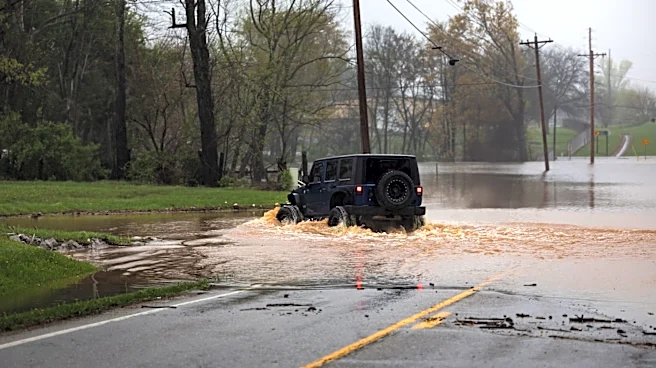
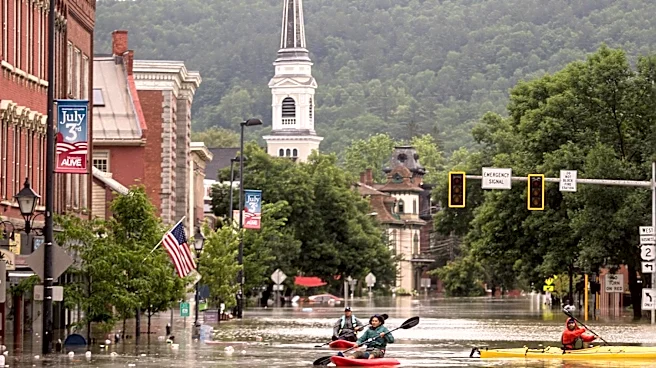
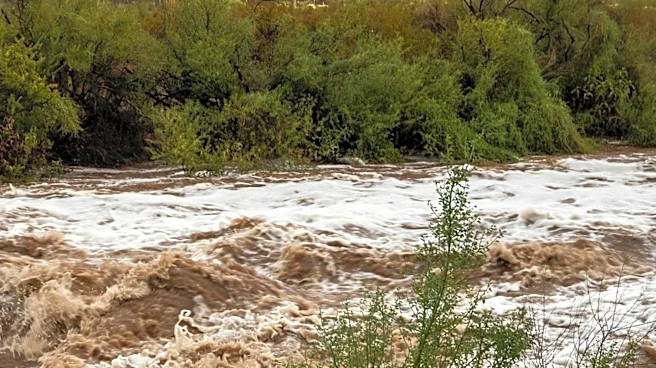
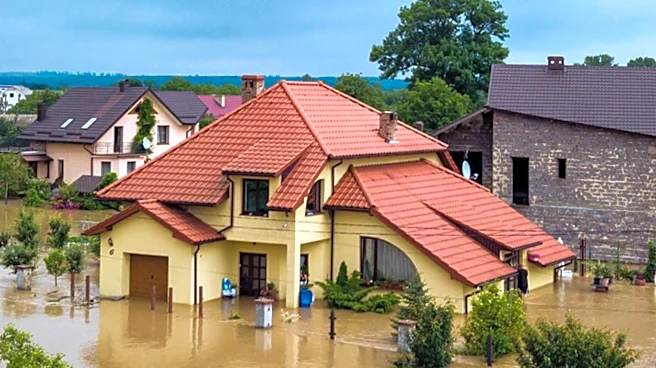
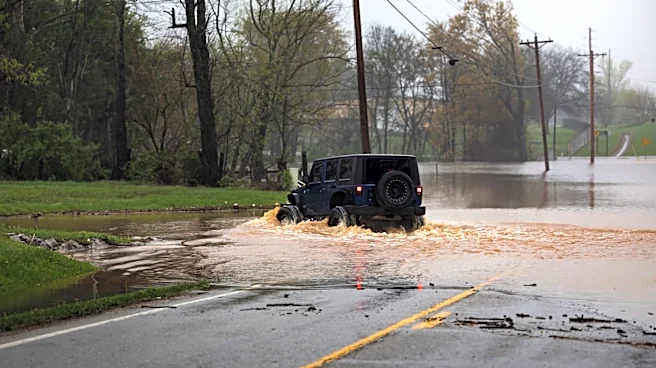
Governor Patrick Morrisey has declared a state of emergency across all 55 counties in West Virginia following severe storms that caused flash flooding and damaging winds. The storms resulted in significant rainfall, with some areas receiving up to 6 inches,
leading to landslides and road closures. The West Virginia National Guard has been deployed to assist with search and rescue operations, and efforts are underway to clear debris and restore power. The National Weather Service continues to monitor the situation, with flood warnings still in effect for several counties.
Why It's Important?
The declaration of a state of emergency underscores the severity of the weather events impacting West Virginia. The flooding has disrupted daily life, damaged infrastructure, and posed significant risks to public safety. The state's response, including the deployment of the National Guard, highlights the need for coordinated disaster management efforts. This situation also raises concerns about the resilience of infrastructure in the face of extreme weather, which could prompt discussions on improving flood defenses and emergency preparedness in the region.
What's Next?
As the immediate threat of flooding subsides, the focus will shift to recovery and rebuilding efforts. Authorities will assess the damage to infrastructure and homes, and work to restore essential services. The state may seek federal assistance to support recovery efforts. Additionally, there may be increased advocacy for investments in infrastructure improvements to mitigate future flood risks. Community support and volunteer efforts will likely play a crucial role in helping affected residents recover.