



What's Happening?
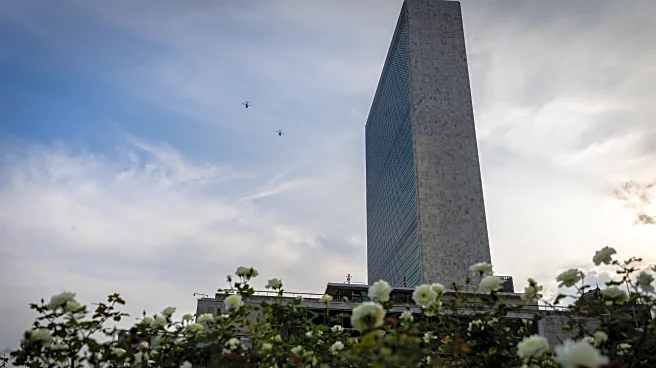
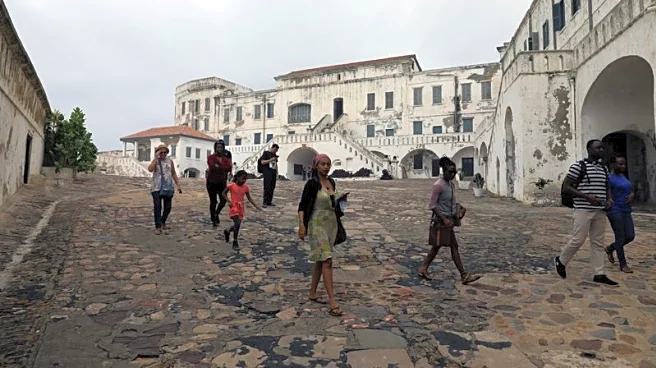
The United States, alongside Israel and Argentina, voted against a United Nations resolution led by Ghana that declared the transatlantic slave trade as the 'gravest crime against humanity' and called for reparations. The resolution, supported by over
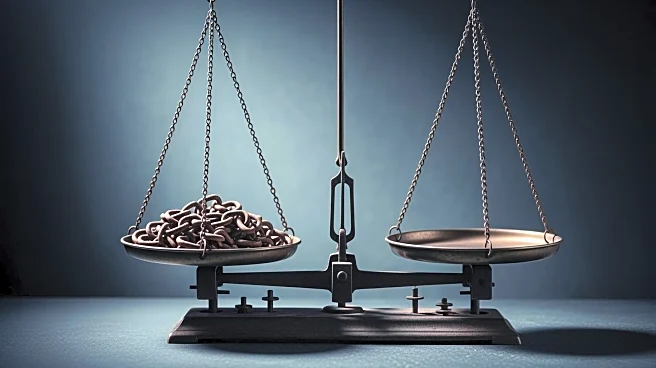
120 countries, seeks formal apologies and compensation for people of African descent, linking historical slavery to current racial and economic inequalities. U.S. Ambassador Dan Negrea criticized the resolution, stating it was problematic and that the U.S. does not recognize a legal right to reparations for historical wrongs that were not illegal at the time. The vote has placed the U.S. at odds with many nations in the Global South and domestic advocates for Black reparations, who view this as a critical moment for addressing the enduring impacts of slavery.
Why It's Important?
The U.S. vote against the UN resolution highlights a significant divide between its stated commitments to racial justice and its actions on the international stage. This decision could impact the U.S.'s global standing, particularly among nations advocating for reparatory justice. Domestically, it underscores the challenges faced by Black reparations advocates who argue that the U.S. has yet to fully address the historical and ongoing impacts of slavery. The vote may influence public discourse on racial justice and reparations, potentially affecting policy discussions and initiatives at both federal and local levels.
What's Next?
The resolution's rejection by the U.S. may lead to increased advocacy efforts by reparations supporters within the country, pushing for legislative action and public awareness campaigns. Internationally, the U.S. may face diplomatic pressure from countries supporting the resolution, which could influence future negotiations on related issues. The ongoing debate may also prompt further examination of racial justice policies and their implementation in the U.S., potentially leading to new proposals or reforms aimed at addressing historical injustices.