








What's Happening?
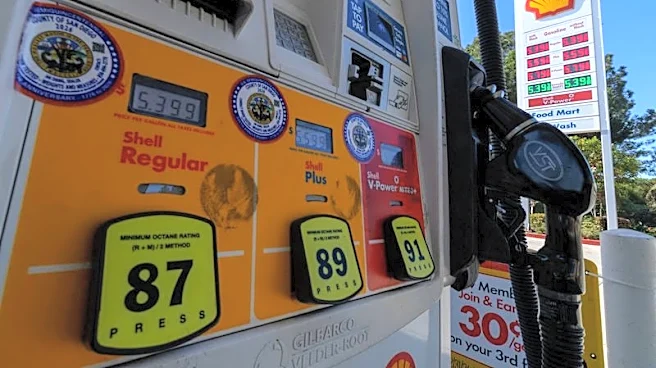
U.S. Treasury Secretary Scott Bessent has called on gasoline retailers to reduce prices as the nation prepares to celebrate its 250th anniversary. This appeal aligns with President Trump's directive, emphasizing the administration's vigilance over fuel
pricing. Bessent's remarks, made during a Fox News interview, highlighted the expectation for retailers, including those owned by major oil companies and international chains, to act responsibly during the celebrations. The backdrop to this request includes recent fluctuations in oil prices due to geopolitical tensions involving the U.S., Israel, and Iran. Despite a recent agreement that has eased global oil prices, domestic gasoline prices remain a concern for consumers and the administration, especially with upcoming elections where Republicans aim to maintain their congressional majority.
Why It's Important?
The call for lower gasoline prices is significant as it directly impacts American consumers, particularly during a period of national celebration. High fuel prices can strain household budgets and influence public sentiment, which is crucial for the administration ahead of the November elections. The administration's focus on fuel prices also reflects broader economic concerns, as energy costs are a key component of inflationary pressures. Retailers' response to this call could affect their public image and relationship with the government. Additionally, the situation underscores the interconnectedness of global geopolitical events and domestic economic conditions, highlighting the administration's challenge in balancing international diplomacy with domestic economic stability.
What's Next?
Retailers' reactions to the administration's call will be closely monitored, with potential regulatory or public relations consequences for those perceived as non-compliant. The administration may continue to exert pressure on the energy sector to ensure consumer-friendly pricing. As the November elections approach, fuel prices will likely remain a focal point in political discourse, influencing campaign strategies and voter priorities. The broader economic implications of fuel pricing will also be a subject of analysis, as stakeholders assess the impact on inflation and consumer spending.