





What's Happening?
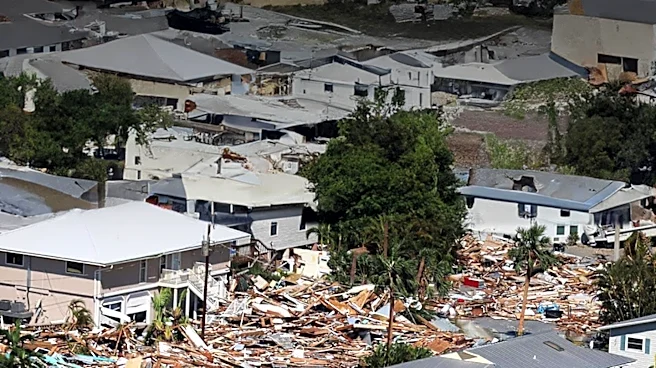
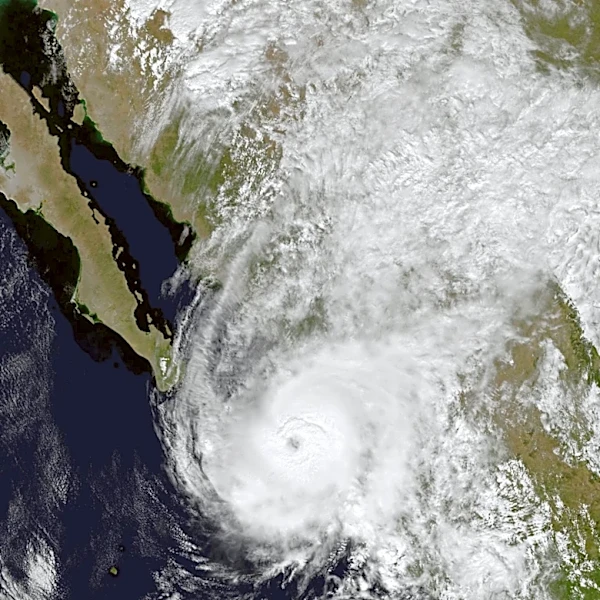
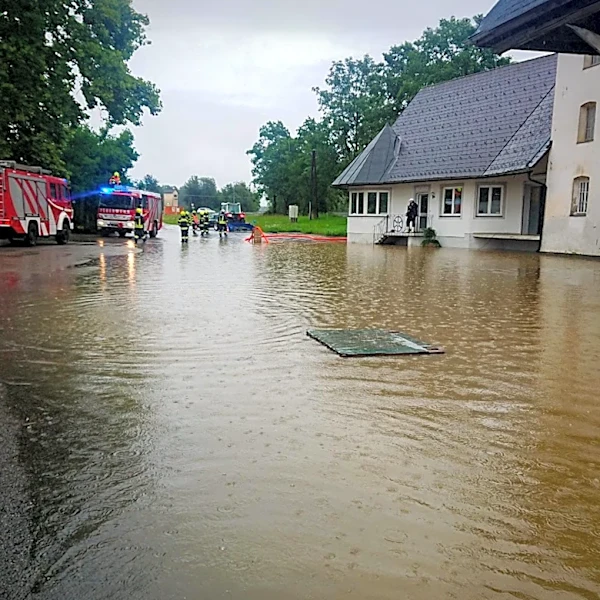
Clay County, Minnesota, has released an updated draft of its Hazard Mitigation Plan (HMP) and is actively seeking public feedback. This plan is crucial for addressing the county's vulnerability to various natural hazards, including tornadoes, windstorms,
severe winter storms, flooding, drought, and extreme temperatures. The HMP aims to minimize the impact of these events, which can lead to significant economic losses and personal hardship. The public review period is open for 14 days, concluding on November 17, 2026. Residents, agencies, and organizational stakeholders are encouraged to review the draft plan and propose local mitigation actions. The plan is a multi-jurisdictional effort, encompassing all cities and townships within Clay County, and integrates the concerns of school districts and other key stakeholders. The update was directed by Clay County Emergency Management in collaboration with U-Spatial at the University of Minnesota Duluth and representatives from various governmental and stakeholder groups. Their collective goal is to identify cost-effective and sustainable strategies to reduce long-term risks to human life and property from natural hazards.
Why It's Important?
This initiative is vital for Clay County as it directly impacts the safety and economic stability of its residents. By proactively planning for natural disasters, the county can reduce the severity of their consequences, thereby protecting lives and property. The updated HMP will enable Clay County and its jurisdictions to qualify for future FEMA Hazard Mitigation Assistance grant program funding. This funding is essential for implementing projects designed to reduce or eliminate the impacts of future natural hazard events, such as infrastructure improvements for flood-prone areas, construction of safe rooms for tornado protection, and burying power lines to prevent outages during severe weather. Public awareness and personal preparedness, fostered by such plans, are key to building a resilient community that can break the cycle of disaster response and recovery. The plan's success hinges on community feedback, ensuring that local vulnerabilities are accurately identified and addressed with effective, tailored strategies.
What's Next?
Following the 14-day public comment period, which ends on November 17, 2026, Clay County will review all submitted feedback. This input will be crucial for refining the draft Hazard Mitigation Plan before it is submitted to the State of Minnesota and the Federal Emergency Management Agency (FEMA) for their review and approval. Once approved, the county will be eligible to apply for FEMA Hazard Mitigation Assistance grants, which will fund the implementation of the identified mitigation projects. These projects could include a range of initiatives, from infrastructure upgrades to public education campaigns, all aimed at reducing the county's susceptibility to natural disasters. Continued collaboration between Clay County Emergency Management, local governments, and community stakeholders will be essential for the successful execution of the plan and for ongoing efforts to enhance disaster resilience.
Beyond the Headlines
The development and public review of Clay County's Hazard Mitigation Plan highlight a broader national trend towards proactive disaster preparedness and resilience building. This approach moves beyond mere post-disaster response to focus on pre-emptive measures that can significantly reduce human and economic costs. The emphasis on public engagement underscores the democratic principle that effective governance in disaster management requires community input and ownership. Furthermore, the eligibility for FEMA funding incentivizes local governments to invest in long-term solutions, fostering a culture of preparedness rather than perpetual recovery. This plan also touches upon the ethical responsibility of local governments to protect their citizens from foreseeable threats, ensuring that vulnerable populations are not disproportionately affected by natural hazards. The integration of academic institutions like U-Spatial at the University of Minnesota Duluth in the planning process signifies the growing importance of scientific data and expert analysis in crafting robust disaster mitigation strategies.