





What's Happening?
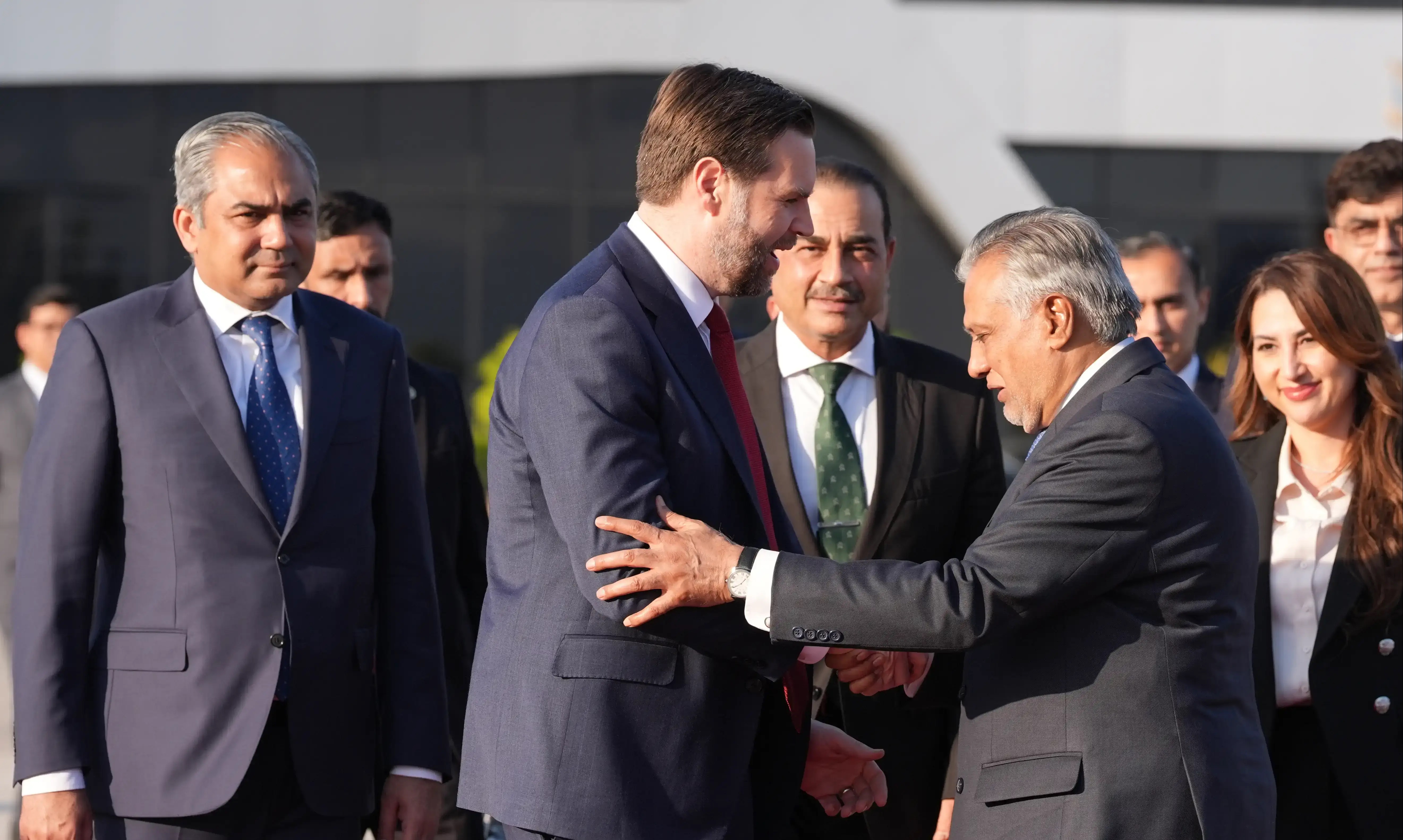
Senior officials from the United States and Iran have convened in Islamabad, Pakistan, to discuss potential peace negotiations aimed at resolving the ongoing conflict between the two nations. The talks, mediated by Pakistani intermediaries, come after
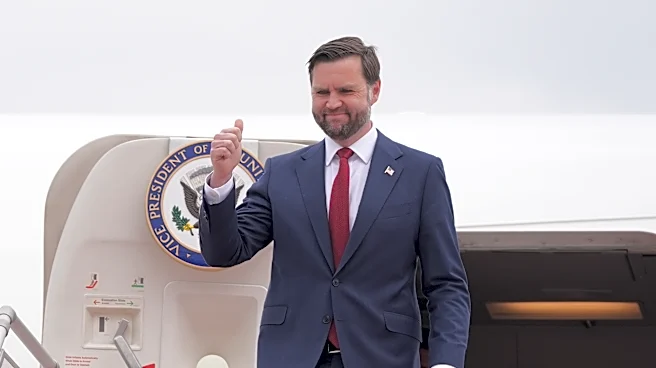
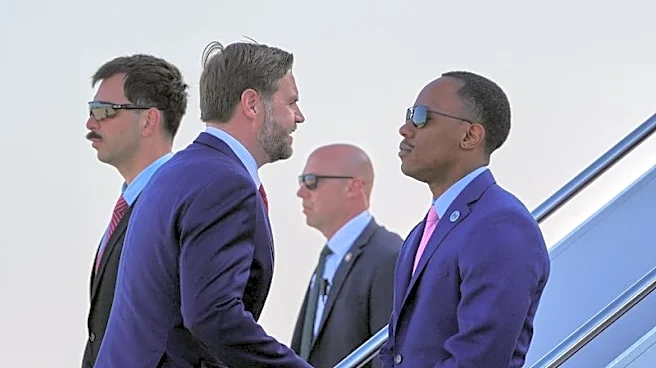
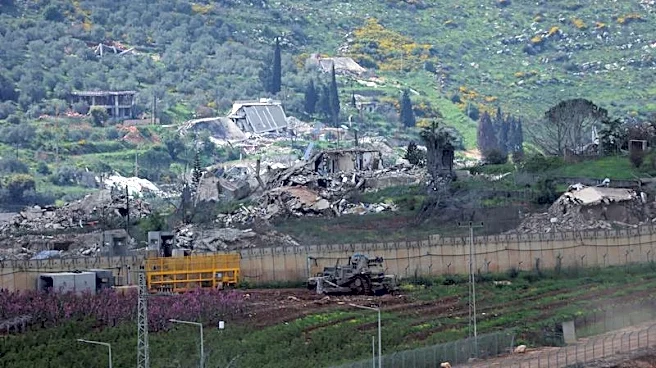
a six-week-long war that has seen significant military engagements. Iranian officials, led by Parliamentary Speaker Mohammad Baqer Qalibaf and Foreign Minister Abbas Araqchi, have outlined their conditions for negotiations, including the reopening of the Strait of Hormuz, the release of blocked Iranian assets, and the enforcement of a regional ceasefire. The U.S. delegation, including Vice President JD Vance and special envoy Steve Witkoff, is seeking to address these issues while maintaining pressure on Iran to comply with international shipping norms. The discussions are set against a backdrop of continued military operations in Lebanon, where Israeli forces have been targeting Hezbollah militants.
Why It's Important?
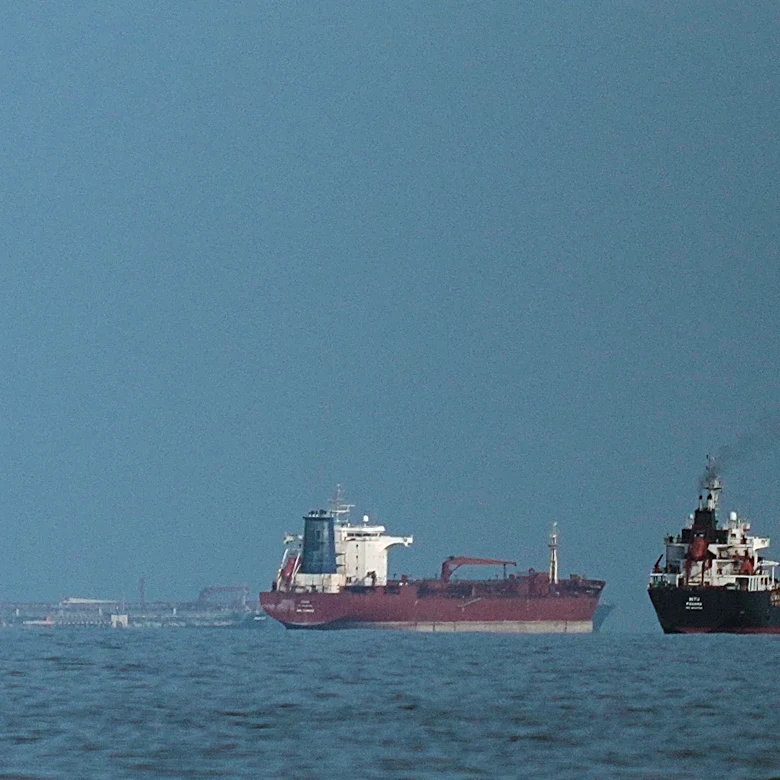
The peace talks between the U.S. and Iran hold significant implications for global energy markets and regional stability. The Strait of Hormuz is a critical chokepoint for global oil and liquefied natural gas shipments, and its closure has disrupted energy supplies, contributing to inflation and economic slowdown worldwide. Successful negotiations could lead to the reopening of the strait, alleviating these economic pressures. Additionally, a ceasefire in Lebanon could reduce hostilities and prevent further casualties, potentially stabilizing the region. However, the talks are complicated by deep-seated mistrust and the complex geopolitical interests of both nations and their allies, making the outcome uncertain.
What's Next?
If the negotiations proceed as planned, they could mark the highest-level U.S.-Iran talks since the 1979 Islamic Revolution. The potential for direct face-to-face discussions between the two sides could pave the way for a comprehensive agreement addressing key issues such as the Strait of Hormuz and regional ceasefires. However, the success of these talks will depend on the willingness of both parties to compromise and the ability of mediators to bridge the gap between conflicting interests. The international community will be closely monitoring the situation, as any agreement could have far-reaching consequences for global energy markets and regional peace.
Beyond the Headlines
The ongoing conflict and negotiations highlight the complex interplay of geopolitical interests in the Middle East. Iran's demand for war reparations and control over the Strait of Hormuz underscores its strategic ambitions and the importance of the region in global energy supply chains. The involvement of Pakistan as a mediator reflects the broader regional dynamics and the role of neighboring countries in facilitating dialogue. The situation also raises questions about the long-term impact of military engagements on civilian populations and the ethical considerations of wartime diplomacy.