

What's Happening?
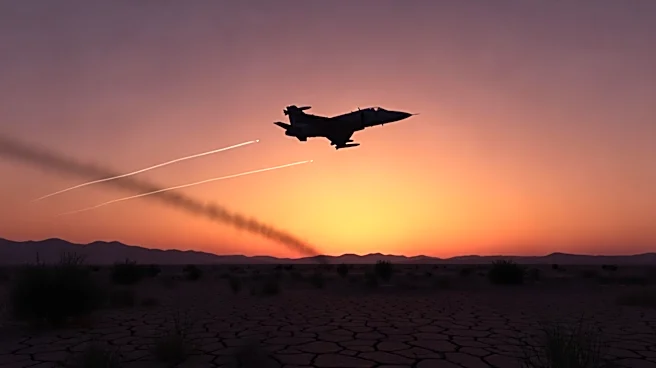
A growing number of Israeli defense officials are expressing concerns over the prolonged military campaign against Iran, suggesting that the use of force alone may not achieve all strategic objectives. These officials argue that the war, initially aimed
at curbing Iran's nuclear ambitions, has become entangled with broader geopolitical issues, including energy market crises and regime change efforts. They advocate for a reassessment of the strategy, emphasizing the need for diplomatic solutions alongside military actions. The debate highlights internal divisions within Israel's defense establishment regarding the effectiveness and sustainability of the current approach.
Why It's Important?
The internal debate within Israel's defense circles underscores the complexities of military engagements in the Middle East. Prolonged conflicts can strain resources, impact civilian populations, and lead to unintended geopolitical consequences. The skepticism about achieving regime change in Iran through military means reflects broader concerns about the limits of force in resolving deep-seated political issues. This discourse may influence Israel's future military and diplomatic strategies, potentially affecting its relations with allies, including the United States, and shaping regional dynamics.
What's Next?
As the debate continues, Israel may face pressure to adjust its military strategy, possibly incorporating more diplomatic efforts to address the Iranian threat. The outcome of this internal discourse could lead to changes in military operations, negotiations for ceasefires, or new diplomatic initiatives. The international community, particularly the United States, may play a role in mediating or supporting these efforts. The situation remains dynamic, with potential for both escalation and resolution depending on the strategic choices made by Israeli leadership.