







What's Happening?
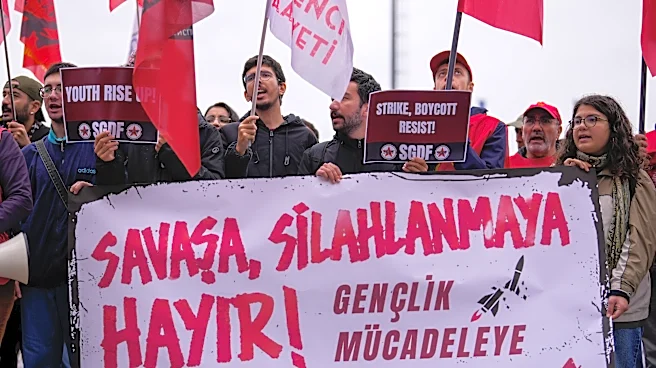
Four French rail workers' unions at SNCF have confirmed a national strike scheduled for Thursday, November 5, 2026. This industrial action is expected to significantly disrupt train services across France, including TGV, Intercités, TER, RER, and Transilien
lines. The strike coincides with a broader national day of protests and strikes, with the CGT union calling for a general strike, a call subsequently supported by the CFDT and Snes-FSU. The unions' primary demands include real pay negotiations, discussions on living and working conditions, and adequate staffing levels. The final train schedules for the affected day are typically released the afternoon prior, on November 4. A meeting concerning purchasing power is slated for November 3, which could potentially influence the continuation or scope of the strike.
Why It's Important?
This national rail strike in France carries significant implications, particularly for international travel and cross-border business operations that rely on French rail infrastructure. While not directly impacting the U.S., disruptions to a major European transportation hub like France can have ripple effects on global supply chains and travel plans for U.S. citizens and businesses operating in Europe. The strike highlights ongoing labor tensions in Europe regarding inflation, cost of living, and worker compensation, issues that are also prevalent in the U.S. The outcome of these negotiations and the effectiveness of the strike could set precedents or influence labor strategies in other developed economies. Businesses with European operations, especially those involved in logistics or tourism, may face delays and increased costs due to the anticipated widespread cancellations and service reductions.
What's Next?
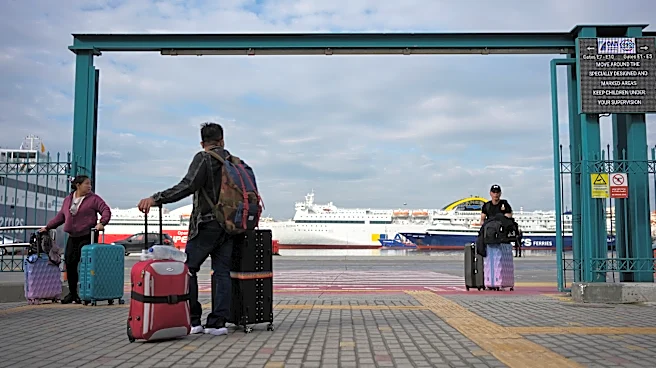
Travelers planning to use French rail services on November 5, 2026, are advised to monitor official SNCF announcements for updated schedules and potential cancellations, which will be published on November 4. The meeting on purchasing power scheduled for November 3 will be a critical juncture, as its outcome could determine whether the unions proceed with the strike as planned or if a resolution is reached. Depending on the scale of disruption, alternative transportation methods, such as buses or car rentals, may see increased demand. The broader general strike called by the CGT, CFDT, and Snes-FSU suggests that impacts could extend beyond rail to other sectors, potentially affecting schools and public services, further complicating daily life and business operations in France.
Beyond the Headlines
The recurring nature of strikes in France, particularly within the public transport sector, reflects deeper societal and economic challenges related to labor rights, inflation, and government policy. This specific strike, occurring on the eve of the TGV M's launch, also underscores the ongoing tension between modernization efforts and worker demands for fair compensation and conditions. The unions' emphasis on 'real pay negotiations' and 'sufficient staffing' points to concerns about the erosion of purchasing power and potential understaffing, issues that resonate with labor movements globally. The ability of the French government and SNCF to address these concerns will be closely watched, as it could influence future labor relations and the stability of public services in the country.