

What's Happening?
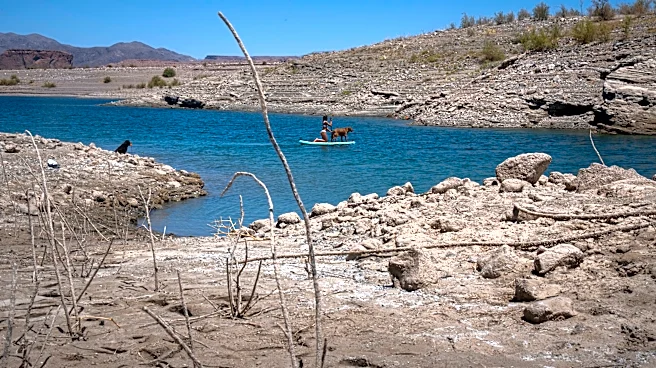
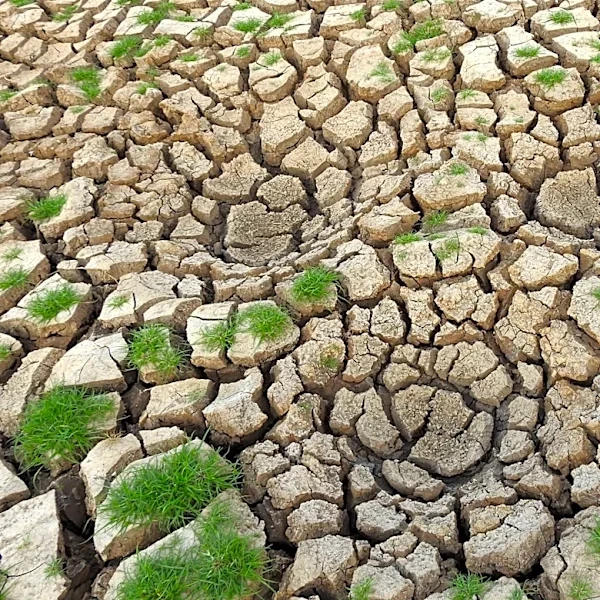
Utah's reservoirs have experienced a significant decline in water levels despite recent monsoonal storms that have improved mountain soil moisture. According to state water officials, the overall drought situation remains severe, with 95% of Utah still
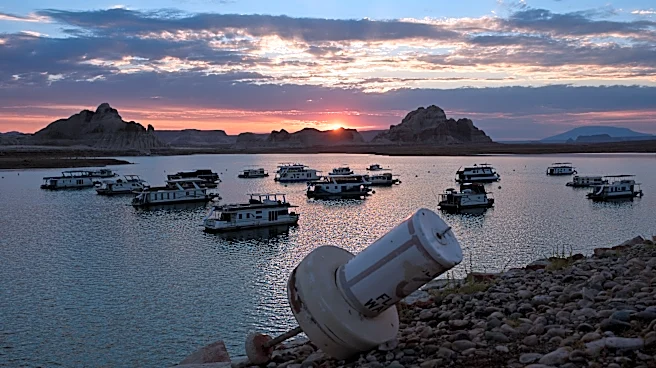
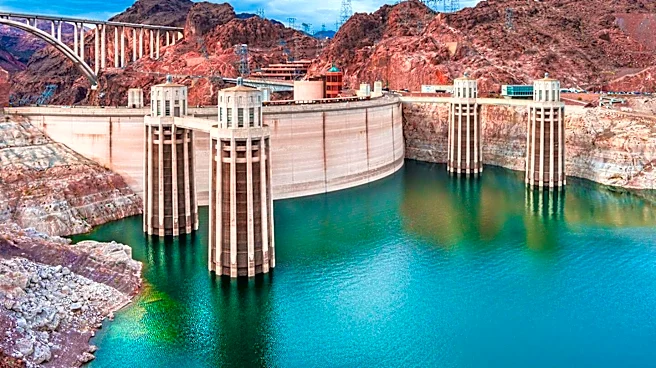
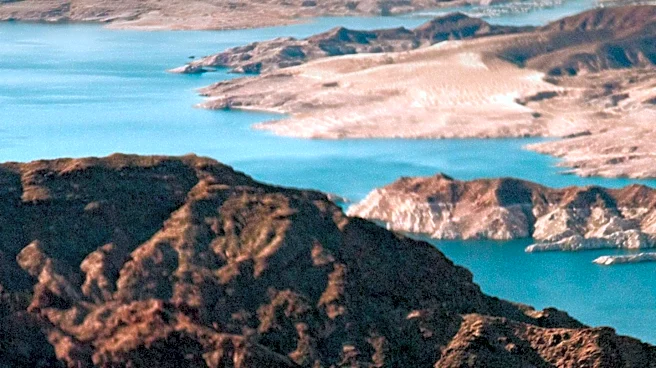
in drought conditions. The state's reservoir system is expected to close the month at 57% capacity, a notable decrease from previous years. While some reservoirs like Porcupine Reservoir are at full capacity, others in central and southern Utah are nearing empty status. The monsoons have, however, increased soil moisture, which could benefit future snowpack runoff.
Why It's Important?
The decline in reservoir levels poses a significant challenge for Utah's water management and conservation efforts. The ongoing drought affects agriculture, wildlife, and the availability of water for residential and industrial use. The improved soil moisture from monsoons offers a glimmer of hope for better water retention in the future, but the current situation underscores the need for effective water conservation strategies. The state's ability to manage its water resources will have long-term implications for its economy and environment, making it crucial to address these challenges proactively.
What's Next?
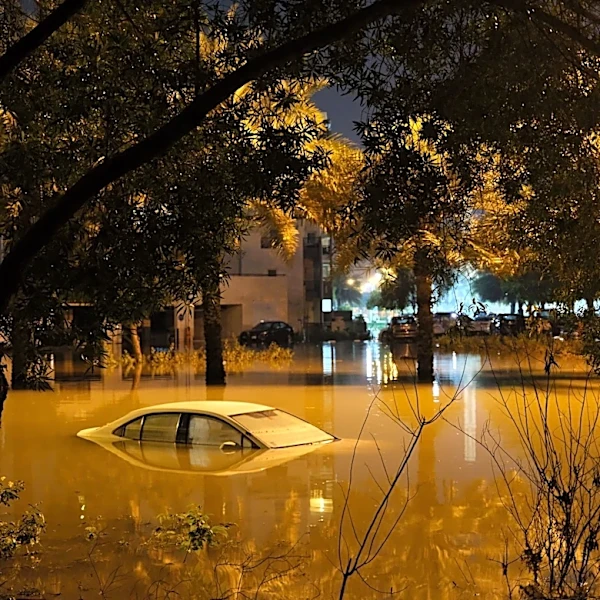
Looking ahead, Utah faces the dual challenge of managing immediate water shortages while planning for long-term sustainability. The state may need to implement stricter water usage regulations and invest in infrastructure to capture and store water more efficiently. Additionally, with forecasts predicting above-normal precipitation in the coming months, there is potential for further improvement in soil moisture levels, which could alleviate some drought conditions. However, the risk of flooding remains, particularly in areas affected by recent wildfires, necessitating careful monitoring and response strategies.