


What's Happening?
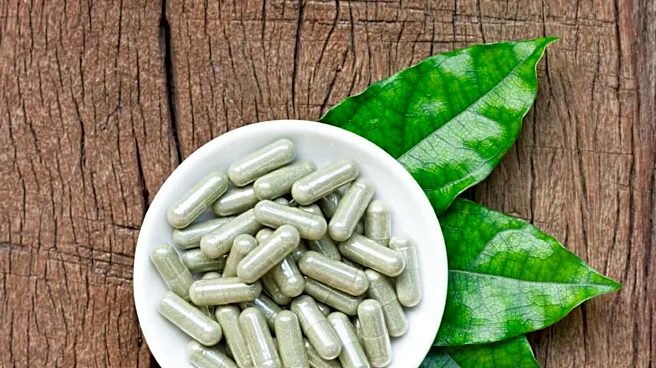
A clinical trial led by Rima Rachid at Boston Children’s Hospital has shown that altering gut microbiomes using faecal capsules can improve peanut tolerance in adults with peanut allergies. The trial involved 15 adults who ingested capsules containing
faeces from a donor without food allergies. After four months, six participants showed increased tolerance to peanuts, with some able to consume the equivalent of one to four whole peanuts without allergic reactions. The study suggests that gut microbiome composition plays a significant role in food allergies and that microbial therapy could be a viable treatment option.
Why It's Important?
This study highlights the potential of microbial therapy as a novel approach to managing food allergies, which affect millions of people worldwide. Current treatments for peanut allergies are limited to avoidance and emergency interventions like EpiPens. The success of this trial could lead to more sustainable and less burdensome treatment options. If further research confirms these findings, it could revolutionize allergy management and reduce the risk of severe allergic reactions. The study also emphasizes the importance of gut health in overall immune function, potentially influencing future dietary and medical guidelines.
What's Next?
Rachid and her team are conducting a larger trial involving children aged 12 to 17 to further evaluate the efficacy of faecal capsules in treating peanut allergies. This trial will compare the effects of capsules containing concentrated faecal microbes to a placebo, providing more robust data on the treatment's effectiveness. The research could pave the way for new therapeutic strategies and encourage further exploration of gut microbiome manipulation in treating various allergies. As the study progresses, it may attract interest from pharmaceutical companies and healthcare providers looking to develop new allergy treatments.