
What's Happening?
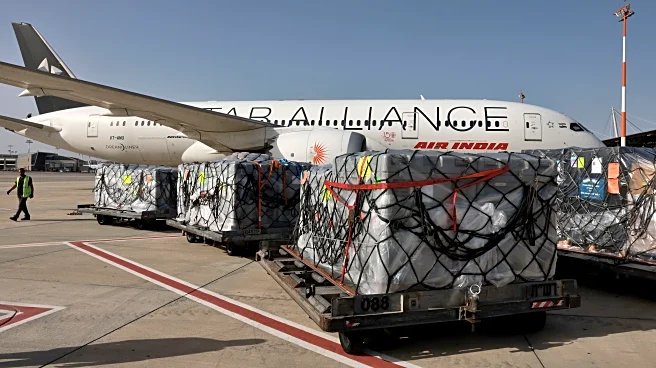
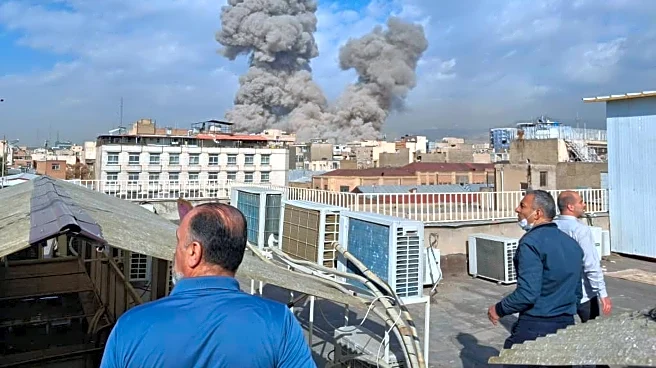
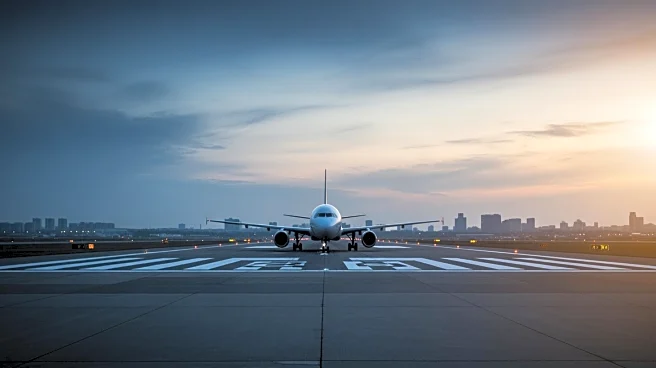
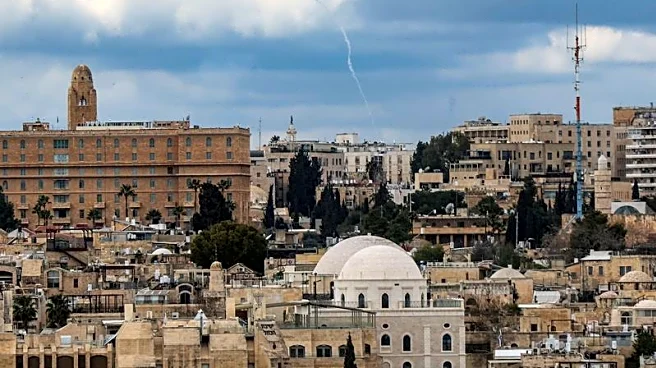
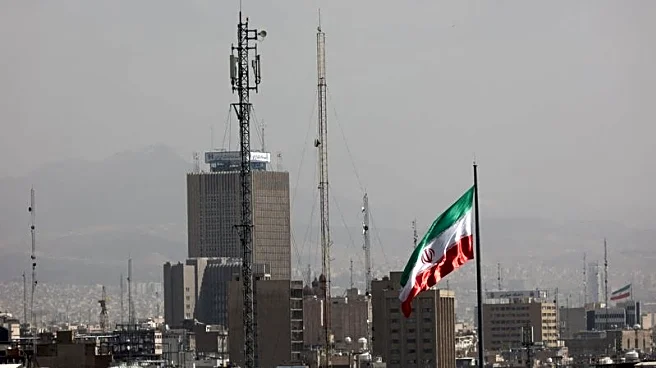
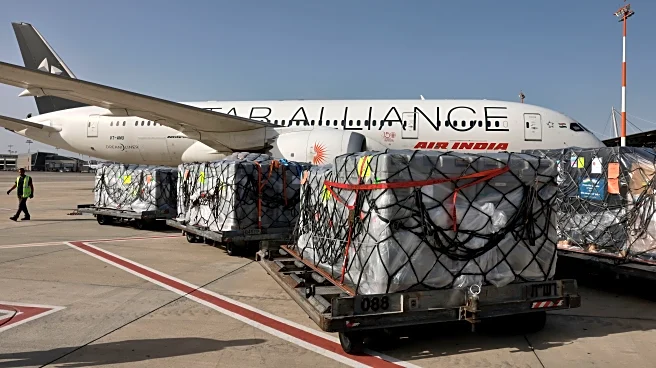
Following military strikes by the United States and Israel on Iran, global airlines have canceled numerous flights across the Middle East. The conflict has led to significant disruptions in air travel, with airspace over Iran, Iraq, Kuwait, the United Arab
Emirates, Lebanon, Bahrain, and Jordan being largely empty. The European Union's aviation regulator has advised airlines to avoid the affected airspace. Major airlines such as Air France, KLM, British Airways, Lufthansa, and others have suspended flights to key destinations including Tel Aviv, Beirut, and Dubai. The cancellations are a precautionary measure in response to the heightened tensions and potential risks associated with flying over conflict zones.
Why It's Important?
The cancellation of flights by major airlines highlights the immediate impact of geopolitical tensions on global travel and commerce. The disruption affects not only passengers but also has broader economic implications for the aviation industry, which is already grappling with challenges from fluctuating fuel prices and post-pandemic recovery. The situation underscores the vulnerability of international travel to regional conflicts and the cascading effects such disruptions can have on global connectivity and economic stability. Airlines are forced to reroute or suspend services, which can lead to financial losses and logistical challenges.
What's Next?
Airlines are closely monitoring the situation and may adjust their flight schedules as the conflict evolves. The ongoing military actions and their repercussions could lead to prolonged airspace restrictions, affecting travel plans and airline operations. Stakeholders, including governments and international aviation bodies, may engage in diplomatic efforts to de-escalate tensions and restore normalcy in air travel. The situation also calls for enhanced safety protocols and contingency planning by airlines to mitigate risks associated with flying in conflict zones.