






What's Happening?
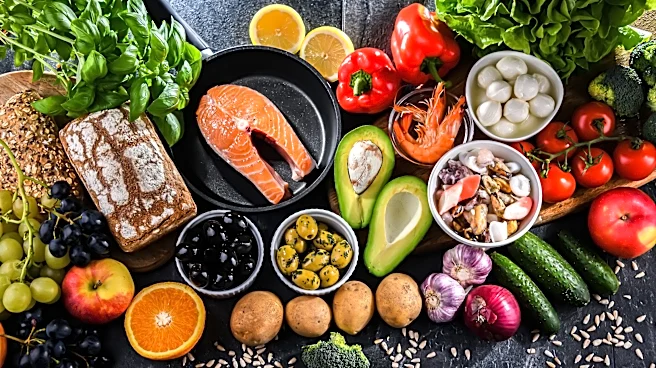
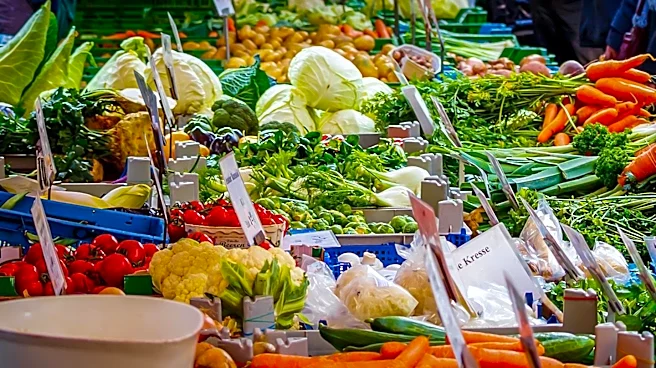
California has expanded its Farm to School program, which connects local farmers with school districts to provide fresh, nutritious meals to students. The program, now a permanent part of the Department of Food and Agriculture, aims to improve children's
eating habits by offering fresh fruits and vegetables. It also supports local farmers by providing a stable market for their produce. The initiative is part of a broader effort to overhaul school meals, moving away from processed foods to more wholesome options. Since its inception in 2021, the program has been successful in enhancing the quality of school meals and supporting local agriculture.
Why It's Important?
The expansion of the Farm to School program represents a significant investment in children's health and education. By providing access to fresh, locally sourced meals, the program aims to improve student health outcomes and academic performance. It also supports local economies by creating a reliable market for small farmers, contributing to economic growth. The initiative sets a national standard for school meal programs, emphasizing the importance of nutrition in education. The program's success could inspire similar initiatives in other states, promoting healthier eating habits and supporting local agriculture nationwide.
What's Next?
As the program continues to expand, more schools will have access to fresh, locally sourced meals. The state plans to invest further in kitchen upgrades and culinary training for cafeteria staff to enhance meal preparation. The program's success could lead to increased funding and support for similar initiatives across the country. Stakeholders, including educators, parents, and policymakers, will likely monitor the program's impact on student health and academic performance, potentially advocating for further expansion and investment.