




What's Happening?
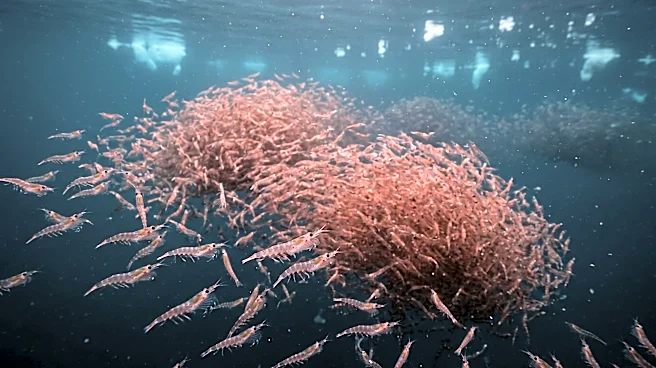
The Antarctic krill fishery, operated by Aker QRILL Company, has been recertified as sustainable by the Marine Stewardship Council (MSC) Fisheries Standard. This recertification follows a rigorous, independent reassessment process, which included an investigation
by Assurance Services International (ASI) after objections were raised by environmental NGOs, the Antarctic and Southern Ocean Coalition (ASOC) and WWF-UK. The fishery, which concluded its 2026 season after reaching a 620,000-tonne precautionary catch limit set by the Commission for the Conservation of Antarctic Marine Living Resources (CCAMLR), has held MSC certification since 2010. The new certification includes additional conditions aimed at strengthening ecological safeguards, particularly concerning localized fishing intensity and its potential impact on krill-dependent wildlife like baleen whales. Pål Skogrand, Chief Policy Officer of Aker QRILL Company, emphasized that maintaining this certification requires continuous evolution and scrutiny.
Why It's Important?
This recertification is significant for the global seafood industry and environmental conservation efforts. It provides assurance to consumers and brands that Antarctic krill ingredients are sourced from a fishery that meets internationally recognized sustainability requirements. The inclusion of new conditions, prompted by objections from environmental groups, highlights the increasing scrutiny on fishing practices in sensitive ecosystems like the Antarctic. This development underscores the role of independent oversight and stakeholder input in ensuring sustainable fishing. For Aker QRILL Company, maintaining this certification is crucial for market access and consumer trust, especially as the demand for krill-based products in aquaculture, pet food, and human health continues to grow. The ongoing debate and the need for more refined, science-based management in the krill fishery also reflect broader challenges in balancing economic interests with ecological preservation in vulnerable marine environments.
What's Next?
The Antarctic krill fishery must now meet the new conditions imposed by the MSC within a specified timeframe to maintain its certification. These conditions primarily focus on managing fishing activities more locally to prevent concentrated harvesting in krill-rich areas, thereby mitigating negative impacts on wildlife. Additionally, the fishery is required to resolve an existing condition by agreeing on a management plan with CCAMLR, which will outline how fishing levels would be adjusted in response to changes in stock levels or increased risks to wildlife. Aker QRILL Company has expressed its commitment to research, stakeholder dialogue, and advocating for advanced management through CCAMLR, including support for a new krill fishery management approach and a Marine Protected Area in the Antarctic Peninsula region. Future annual surveillance audits will monitor the fishery's adherence to these conditions and overall performance against the MSC standard.
Beyond the Headlines
The recertification of the Antarctic krill fishery, despite objections and with new conditions, illustrates the complex interplay between industry, environmental advocacy, and scientific governance in managing shared global resources. The process highlights the evolving nature of sustainability standards and the importance of adaptive management in response to new scientific understanding and ecological concerns. The failure of CCAMLR to reach a consensus on broader krill conservation measures and marine protected areas in Antarctic Ocean Zone 48.1, as noted by environmental NGOs, points to a persistent challenge in international cooperation. This situation underscores the potential for certified fisheries to lead by example in sustainable practices, even as broader regulatory frameworks struggle to keep pace. The emphasis on localized management and ecosystem safeguards reflects a growing recognition that sustainability must consider not just overall stock levels but also the spatial and temporal impacts on dependent species and the wider ecosystem.