






What's Happening?
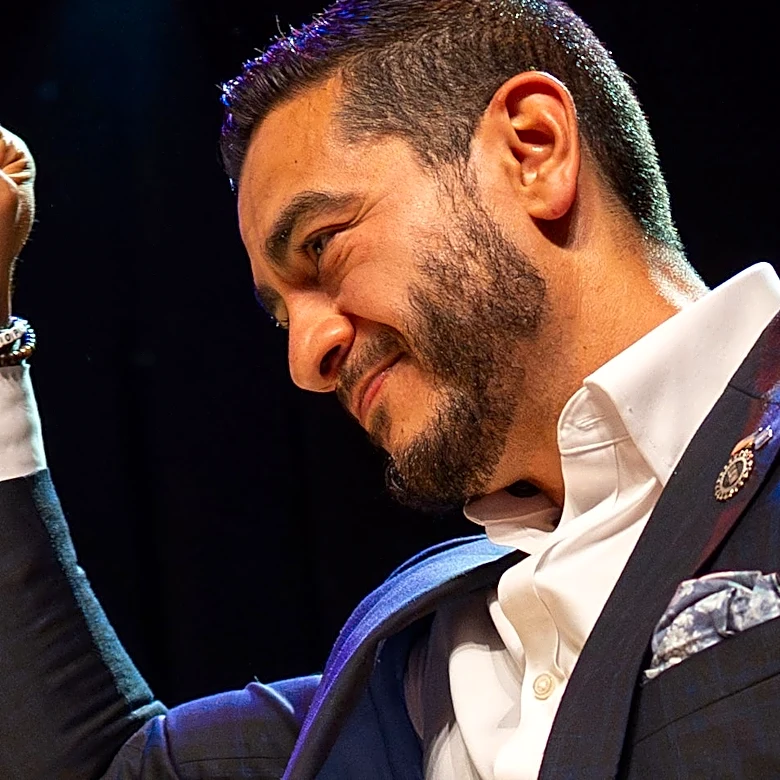
Dr. Jonathan Reiner, a distinguished cardiologist and professor of medicine and surgery at George Washington University, has publicly questioned President Trump's health, prompting a sharp rebuke from the White House. Dr. Reiner, who previously served
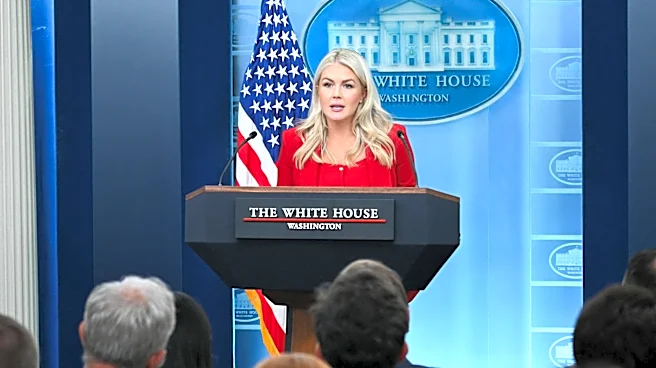
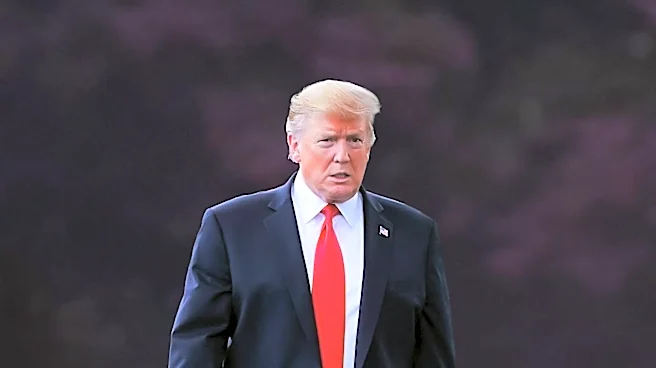
as former Vice President Dick Cheney’s cardiologist, published an op-ed outlining seven questions he believes the White House should address regarding the 80-year-old president's physical condition. In response, White House spokesperson David Ingle issued a statement praising President Trump as the 'sharpest, most accessible and energetic' president, while attempting to discredit Dr. Reiner by calling him 'an a-s-hat engaging in armchair diagnosis for political purposes.' Dr. Reiner, in an interview with CNN’s Jake Tapper, wittily countered the insult by pointing out the White House's grammatical error in hyphenation and reminding them that he had received a certificate of service from the Trump White House Medical Unit just last year. He emphasized that his questions were based on visible observations, such as bruises on the president's hands, swelling in his legs, and instances where he appeared to struggle to stay awake.
Why It's Important?
The public exchange between a respected medical professional and the White House regarding President Trump's health raises significant questions about presidential transparency and fitness for office. The health of a sitting president is a matter of national interest, directly impacting their ability to perform demanding duties and lead the country effectively. The White House's aggressive and dismissive response to legitimate medical inquiries, rather than providing clear answers, could undermine public trust and fuel speculation. This approach also sets a precedent for how future administrations might handle similar health-related questions, potentially hindering open dialogue and accountability. For the public, understanding the president's health is crucial for assessing leadership stability and the potential implications for national and international policy decisions.
What's Next?
The public debate surrounding President Trump's health is likely to continue, with media outlets and medical professionals potentially pressing for more detailed and transparent information. The White House may face ongoing scrutiny regarding its communication strategy and its handling of health-related inquiries. This incident could also prompt further discussions about the protocols for disclosing presidential health information and the role of independent medical assessments. Depending on future public appearances or health-related events, the questions raised by Dr. Reiner could resurface, forcing the administration to either provide more comprehensive answers or continue with its current dismissive stance, which could further impact public perception and trust.
Beyond the Headlines
This incident highlights a deeper tension between the public's right to know about a president's health and an administration's desire to control the narrative. The White House's aggressive tactics, including personal attacks on critics, reflect a broader trend in political discourse where factual inquiries are often met with dismissiveness or ad hominem attacks. This approach can have long-term implications for the credibility of official statements and the integrity of public debate. Furthermore, the situation underscores the ethical dilemma faced by medical professionals who observe public figures and feel a responsibility to raise concerns, even without direct patient access. It also touches upon the societal expectation of transparency from leaders, particularly concerning aspects that could affect their capacity to govern, and the challenges of maintaining that transparency in a highly politicized environment.