





What's Happening?
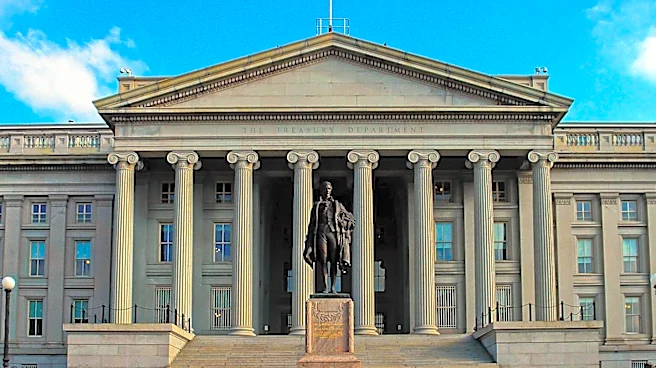
The U.S. Department of the Treasury operates a diverse range of bureaus responsible for critical aspects of the nation's financial infrastructure and enforcement. These bureaus include the U.S. Mint, which designs and manufactures coins and manages the nation's silver
and gold assets, and the Bureau of Engraving & Printing (BEP), responsible for U.S. currency and securities. The Bureau of the Fiscal Service handles the government's financial integrity, accounting, and payments. The Financial Crimes Enforcement Network (FinCEN) supports law enforcement against financial crimes and provides strategic analyses of financial trends. The Internal Revenue Service (IRS), the largest of Treasury's bureaus, is tasked with determining, assessing, and collecting internal revenue. The Office of the Comptroller of the Currency (OCC) charters, regulates, and supervises national banks to ensure a stable banking system. Additionally, the Alcohol and Tobacco Tax and Trade Bureau (TTB) enforces laws related to alcohol and tobacco products and collects excise taxes for firearms and ammunition. The Inspector General and the Treasury Inspector General for Tax Administration (TIGTA) conduct independent audits and investigations to promote efficiency and prevent fraud within the Treasury Department and the IRS, respectively.
Why It's Important?
The operations of these Treasury bureaus are fundamental to the stability and security of the U.S. economy and financial system. The U.S. Mint and BEP ensure the physical currency and coinage necessary for daily commerce. The Bureau of the Fiscal Service maintains the government's financial health, impacting everything from federal spending to debt management. FinCEN's efforts to combat financial crimes protect the U.S. financial system from illicit activities, which can have far-reaching consequences on national security and economic integrity. The IRS's role in tax collection directly funds government operations and public services. The OCC's oversight of national banks is crucial for maintaining consumer confidence and preventing financial crises. The TTB's enforcement of alcohol, tobacco, and firearms regulations contributes to public safety and generates revenue. The Inspector General and TIGTA provide essential checks and balances, ensuring accountability and preventing misuse of public funds, which is vital for public trust and efficient government functioning.
What's Next?
The ongoing functions of these bureaus will continue to adapt to evolving economic landscapes and technological advancements. For instance, the U.S. Mint and BEP will likely explore new security features for currency and potentially digital currency implications. FinCEN will continue to enhance its strategies for combating financial crimes, particularly in response to new methods used by illicit actors, and will likely engage in further public-private partnerships to strengthen financial defenses. The IRS will continue to refine tax administration processes, potentially incorporating more digital solutions and addressing new forms of income and economic activity. The OCC will adapt its regulatory frameworks to address emerging risks in the banking sector, including those related to fintech and cybersecurity. The Inspector General and TIGTA will maintain their oversight roles, ensuring that as these bureaus evolve, they do so with transparency, efficiency, and integrity. Continuous collaboration among these bureaus and with other federal agencies will be essential to address complex financial challenges and maintain a robust financial system.
Beyond the Headlines
The intricate network of bureaus within the U.S. Department of the Treasury reflects the multifaceted nature of national financial governance. Beyond their direct operational responsibilities, these entities collectively uphold the integrity of the U.S. as a global financial power. The production of currency, the collection of taxes, and the regulation of banks are not merely administrative tasks; they are foundational pillars that support economic stability, national security, and public welfare. The ongoing efforts to combat financial crimes, for example, extend beyond domestic borders, influencing international financial standards and cooperation. The transparency and accountability fostered by the Inspector General and TIGTA are critical for maintaining public trust in government institutions, which is essential for the effective functioning of a democratic society. The continuous adaptation of these bureaus to new challenges, such as cyber threats and global financial interconnectedness, underscores the dynamic and critical role they play in shaping the nation's economic future and its standing on the world stage.