







What's Happening?
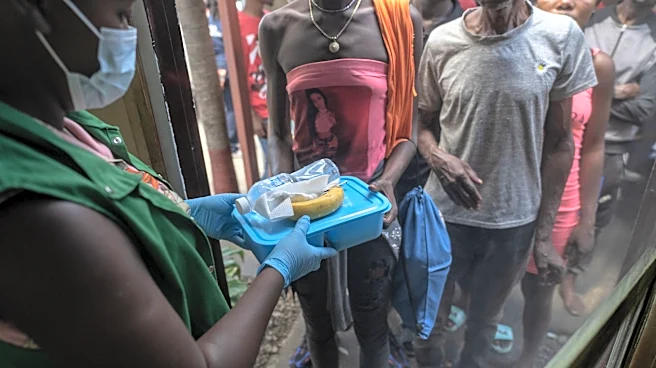
New York City is experiencing a significant increase in food insecurity, driven by rising grocery costs, high housing expenses, and inflation. This situation is exacerbated by recent federal policy changes, including the rollback of pandemic-era support
and substantial federal funding cuts to emergency food providers. A major overhaul of the Supplemental Nutrition Assistance Program (SNAP), enacted through a federal budget reconciliation bill last year, has placed an estimated 300,000 New York households at risk of losing crucial food benefits. In response, local nonprofits are forming coalitions, developing new technologies, and mobilizing volunteers to address the growing demand for food assistance. Organizations like The Roundtable, a collective of nine major food pantries and soup kitchens, are pooling resources to increase food distribution efficiency. Other groups, such as Part of the Solution (POTS) in the Bronx, are expanding their services beyond food relief to include comprehensive care like health clinics and public benefits guidance. United Way of New York City and University Settlement are also leading efforts to help New Yorkers navigate the new SNAP rules and prevent benefit loss.
Why It's Important?
The current crisis highlights the fragility of the social safety net in New York City and the profound impact of federal policy changes on vulnerable populations. The reduction in SNAP benefits and federal funding cuts directly threaten the ability of thousands of households to access nutritious food, potentially leading to increased malnutrition and health issues. The strain on emergency food providers, who are being asked to do more with fewer resources, underscores the critical role of local nonprofits in mitigating widespread hunger. The collaborative efforts of these organizations, such as resource pooling and technology development, demonstrate innovative approaches to systemic challenges. However, the situation also reveals a growing reliance on charitable organizations to fill gaps left by government support, raising questions about long-term sustainability and equitable access to food. The potential loss of benefits for hundreds of thousands of New Yorkers could deepen poverty and exacerbate existing social inequalities within the city.
What's Next?
As the holiday season approaches, the demand for food assistance is expected to intensify, placing further pressure on New York City's emergency food network. Nonprofits will likely continue to seek increased private donations and volunteer support to offset federal funding shortfalls. Advocacy efforts will probably focus on raising awareness about the impact of federal policy changes and pushing for more robust government support for food security programs. Organizations like United Way of New York City and University Settlement will continue their coordinated efforts to educate affected communities about the new SNAP rules and assist individuals in retaining their benefits. There may also be a continued push for long-term solutions that address the root causes of food insecurity, such as job training programs offered by organizations like Drive Change and Hot Bread Kitchen, which aim to build financial stability through careers in the food industry. The effectiveness of these local initiatives will be crucial in determining the extent of hunger relief in the coming months.
Beyond the Headlines
The escalating food insecurity in New York City reflects broader national trends where economic pressures and shifts in federal welfare policies disproportionately affect low-income communities. This situation brings to light the ethical debate surrounding the balance between fiscal austerity and social welfare, particularly concerning essential needs like food. The increased reliance on charitable organizations, while commendable, also raises questions about the government's responsibility in ensuring basic human rights, including the right to food. Furthermore, the crisis could deepen existing health disparities, as inadequate nutrition is linked to a range of chronic diseases. The innovative collaborations among nonprofits, while effective in the short term, may also signal a long-term shift towards a more decentralized and community-driven approach to social welfare, potentially altering the landscape of public assistance. This development could also highlight the need for more resilient local food systems and greater community empowerment in addressing systemic challenges.