







What's Happening?
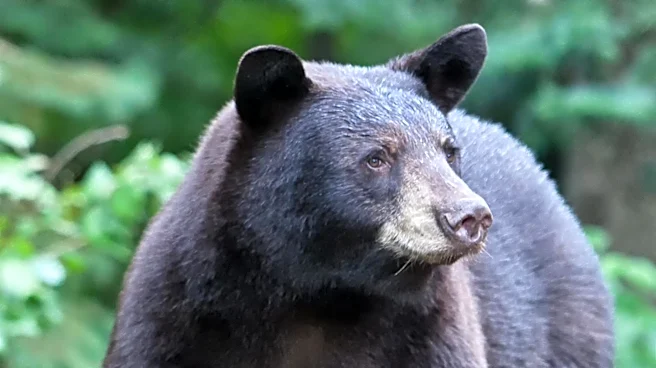
A bear that had been roaming Cache Valley near Nibley, Utah, for several days was euthanized by the Utah Division of Wildlife Resources (DWR). The bear, believed to be the same one spotted in Paradise on Thursday and Logan on Friday, was captured on video
running through a field, with a Logan Police officer seen pursuing it. According to Crystal Ross, conservation outreach manager for the DWR's northern region, bears that lose their fear of people and spend multiple days in residential areas can become aggressive and dangerous, posing a risk to human safety. While the DWR was not aware of the bear causing any damage or injuring anyone, the decision to euthanize was made after it was tranquilized. During tranquilization, the two-year-old bear's temperature was dangerously high, around 107 degrees. Despite efforts to cool it with water, the animal was ultimately euthanized. Ross stated that euthanizing wildlife is the most difficult part of their job, as their staff are dedicated to wildlife conservation.
Why It's Important?
This incident highlights the increasing challenges of human-wildlife coexistence, particularly as urban and suburban areas expand into natural habitats. The DWR's decision to euthanize the bear, despite no reported injuries or damage, underscores the critical importance of public safety when wildlife becomes habituated to human presence. This situation often forces wildlife management agencies to make difficult choices to prevent potential harm to both humans and animals. The bear's high body temperature during tranquilization also points to the physiological stress wildlife can experience when displaced or interacting with human environments, especially during warmer periods. This event serves as a reminder of the need for public awareness regarding wildlife encounters and the importance of not feeding or approaching wild animals to prevent them from losing their natural fear of humans.
What's Next?
The DWR will likely continue to monitor wildlife activity in residential areas and educate the public on how to safely coexist with local wildlife, particularly bears. This may include issuing advisories on securing food sources, managing garbage, and reporting bear sightings to prevent similar incidents. The incident could also prompt discussions among wildlife conservationists and local communities about strategies for managing wildlife populations in areas with increasing human encroachment. Public education campaigns might be intensified to inform residents about appropriate responses when encountering bears and the potential dangers of habituating wildlife. The DWR will continue to prioritize human safety while striving to protect wildlife populations through various management techniques.
Beyond the Headlines
The euthanasia of the Cache Valley bear raises deeper ethical questions about human responsibility towards wildlife and the consequences of habitat loss and fragmentation. While the DWR's decision was based on public safety, it reflects a broader conflict between conservation efforts and the realities of human development. This event could spark conversations about proactive measures, such as wildlife corridors, responsible land use planning, and non-lethal deterrents, to minimize human-wildlife conflicts. It also highlights the emotional toll on wildlife professionals who are often tasked with making difficult decisions that go against their core mission of protecting animals. The incident serves as a poignant reminder of the delicate balance required to maintain biodiversity in an increasingly human-dominated landscape and the need for a more integrated approach to urban planning and environmental stewardship.