



What's Happening?
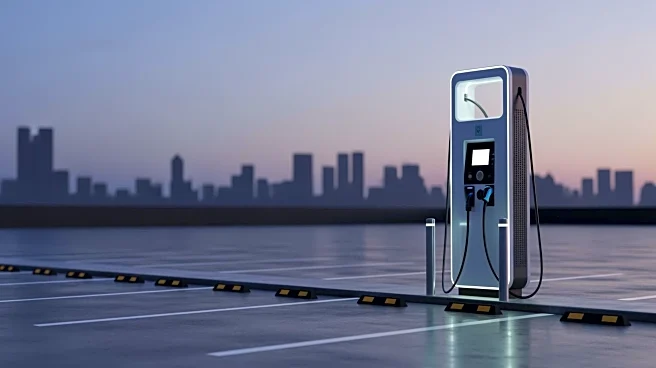
The Trump administration has initiated a rollback of federal electric vehicle (EV) initiatives, starting with an executive order to eliminate the EV mandate and associated subsidies. The General Services Administration (GSA) has followed suit by restricting
EV charging stations to 'mission-critical' needs, leading to the closure or sale of non-essential stations. This policy shift affects the federal fleet, which includes over 8,600 EVs, and has resulted in the suspension of new charging station installations at federal facilities.
Why It's Important?
The federal government's retreat from EV initiatives represents a significant shift in U.S. energy policy, potentially slowing the adoption of electric vehicles and impacting the automotive industry's transition to cleaner technologies. This move could have economic implications, affecting jobs in the EV sector and altering the competitive landscape for automakers. Additionally, the rollback may hinder efforts to reduce greenhouse gas emissions and combat climate change, as transportation is a major contributor to U.S. carbon emissions.
What's Next?
The future of federal EV initiatives will depend on political developments and potential legal challenges to the administration's policies. Stakeholders, including environmental groups and industry leaders, may advocate for the reinstatement of EV incentives and infrastructure support. The outcome of these efforts could influence the direction of U.S. energy policy and the pace of the country's transition to sustainable transportation solutions.