



What's Happening?
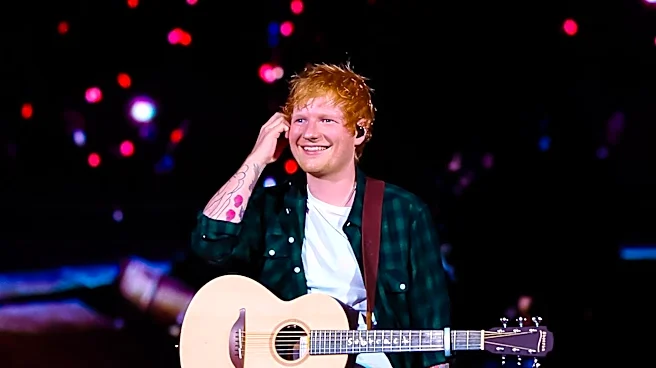
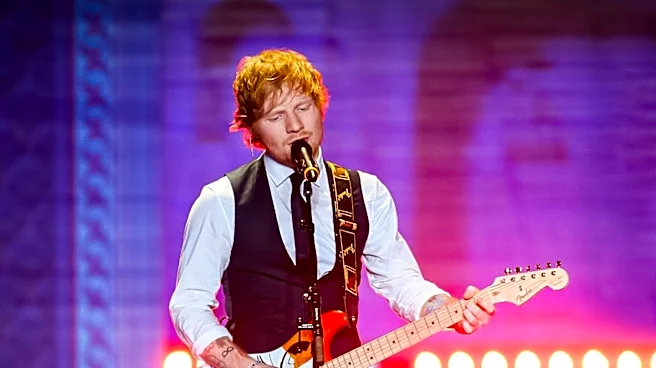
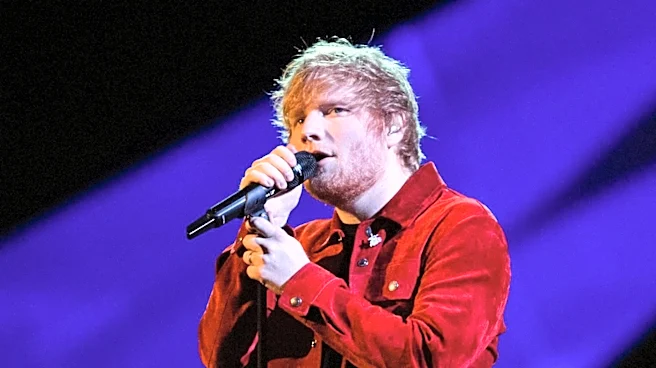
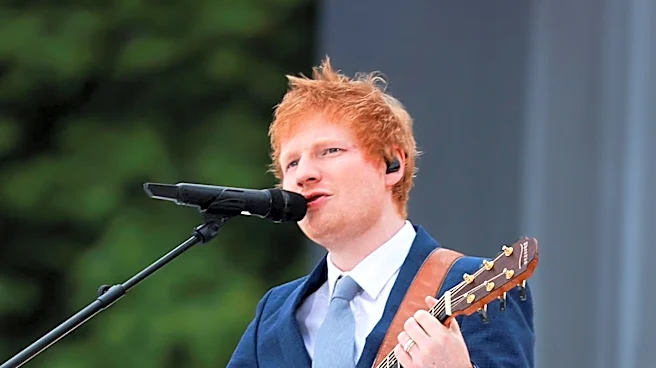
A pro-Israel organization, the Israeli-American Council (IAC), has launched a petition demanding the removal of rapper Macklemore from Ed Sheeran's Loop Tour. This action follows Macklemore's public 'Free Palestine' plea during his opening act performance
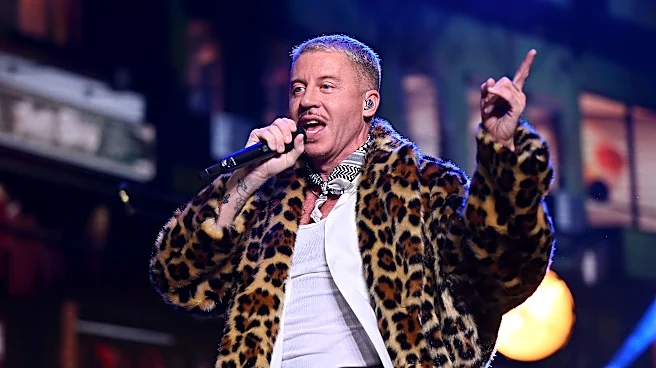
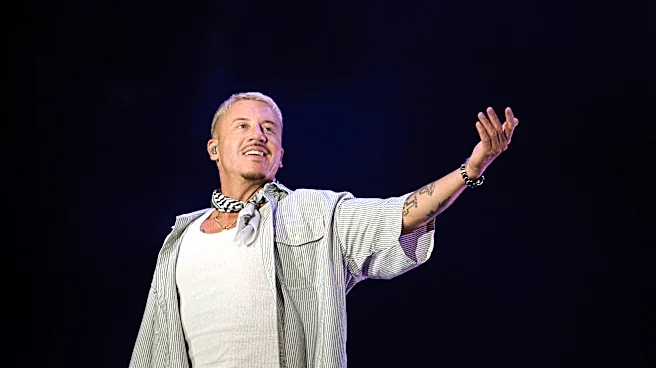
at MetLife Stadium in New Jersey. During his set, Macklemore performed his protest song 'Hind's Hall' and addressed the audience, stating his intention to use the platform to vocalize 'Free Palestine' loudly and clearly, aiming to reach people in Gaza and the occupied West Bank. He emphasized his belief that all human beings deserve safety and peace, and that he would not let fear prevent him from speaking his heart. Macklemore also extended his call for freedom to America, Cuba, Congo, Sudan, Iran, and those living in fear due to ICE. The IAC, representing over 150,000 Israeli-Americans, views this as an inappropriate use of a global concert platform for a one-sided political agenda, especially given the message's reliance on what they describe as selective imagery, biased messaging, and disputed claims presented as fact without context.
Why It's Important?
This incident highlights the increasing intersection of entertainment and geopolitical issues, particularly the Israeli-Palestinian conflict, within the U.S. public sphere. The call for Macklemore's removal from a major tour underscores the pressure artists face from various advocacy groups when expressing political views. For the music industry, it raises questions about the boundaries of artistic expression on commercial platforms and the potential for tours to become venues for political discourse. The IAC's petition reflects a broader concern among some groups regarding the perceived politicization of entertainment events and the dissemination of what they consider to be biased information. Conversely, Macklemore's actions and statements resonate with audiences who support the Palestinian cause, demonstrating the power of artists to amplify social and political messages. This situation could influence how tour organizers and artists approach political statements in future performances, potentially leading to more explicit guidelines or increased scrutiny of opening acts' content. It also reflects the ongoing debate within the U.S. about freedom of speech versus the responsibility of public figures on large stages.
What's Next?
The immediate next steps will likely involve monitoring the petition's traction and any official responses from Ed Sheeran's tour leadership or Macklemore's representatives. The IAC has specifically requested clarification on whether Macklemore's political speech, visual content, and performance of 'Hind's Hall' were pre-approved and has called for the establishment of clear boundaries for political messaging on the tour stage. Depending on the response, this could lead to further public statements from either side, potential protests, or changes in Macklemore's involvement in future tour dates. The incident may also prompt other artists and event organizers to re-evaluate their policies regarding political expression during performances, especially for opening acts. The ongoing public discourse surrounding the Israeli-Palestinian conflict suggests that similar incidents involving public figures and their platforms are likely to continue, further intertwining entertainment with political activism.
Beyond the Headlines
This event delves into the complex interplay between celebrity influence, freedom of speech, and the highly sensitive nature of international conflicts. Macklemore's decision to use a mainstream concert as a platform for a political message, particularly one as contentious as 'Free Palestine,' highlights the evolving role of artists as social and political commentators. It also brings to the forefront the ethical considerations for tour organizers and venues regarding the content presented by performers. The controversy underscores the deep divisions within American society concerning the Israeli-Palestinian conflict and how these divisions manifest in cultural spaces. Furthermore, the naming of his song 'Hind's Hall' after a Palestinian child killed in Gaza by IDF forces adds a layer of emotional and humanitarian appeal to his message, aiming to humanize the conflict for his audience. This incident could contribute to a broader conversation about the responsibilities of public figures to their diverse audiences and the potential for art to serve as a catalyst for social change or, conversely, as a source of division.