








What's Happening?
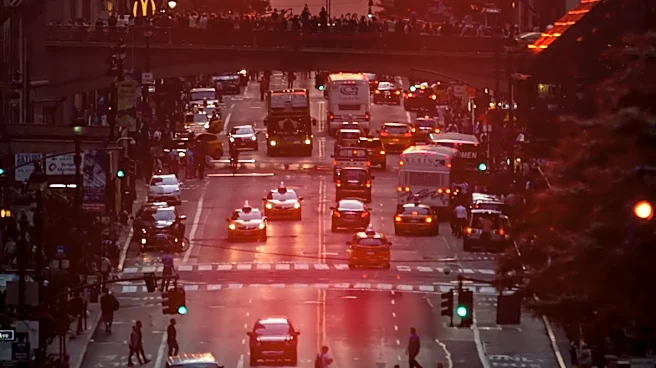
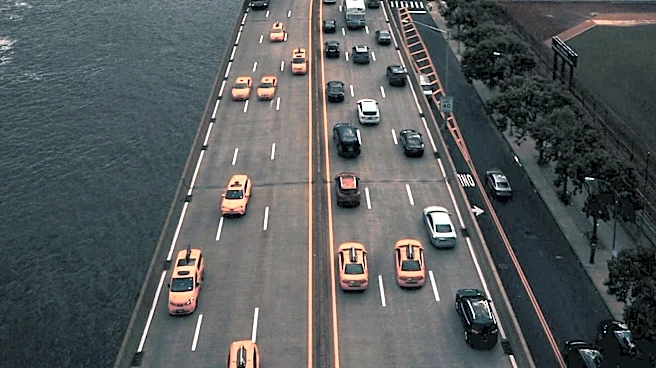
The U.S. Court of Appeals for the Second Circuit has upheld New York City's congestion pricing program, dismissing claims from Orange and Rockland counties that the program violates drivers' rights. The program, established under the state's Traffic Mobility
Act in 2019, imposes a $9 toll on vehicles entering Manhattan's business district. The revenue generated is intended to fund mass transit projects. The counties argued that the toll constitutes an excessive fine and violates due process and equal protection rights. However, the appellate panel found the program constitutional, stating it enforces minor restrictions rationally related to New York's interests in reducing congestion and funding transit. The court also noted that the program does not violate the right to travel under the Northwest Airlines test, as the fee is not excessive and does not discriminate against interstate commerce.
Why It's Important?
The decision is significant as it reinforces New York City's efforts to manage traffic congestion and promote the use of mass transit. By upholding the program, the court supports the city's strategy to reduce vehicular traffic in one of the world's busiest urban centers, potentially setting a precedent for other cities considering similar measures. The ruling also highlights the judiciary's role in balancing local government initiatives with individual rights, particularly in urban planning and environmental policy. The outcome is a win for proponents of sustainable urban development and could influence future transportation policies across the U.S.
What's Next?
With the court's decision, New York City can continue implementing the congestion pricing program, potentially expanding its scope or adjusting toll rates to further its goals. The ruling may encourage other cities to explore congestion pricing as a tool for traffic management and environmental improvement. Stakeholders, including local governments and transportation authorities, will likely monitor the program's impact on traffic patterns and public transit usage. Additionally, the decision may prompt further legal challenges or legislative actions from opponents seeking to modify or overturn the program.