






What's Happening?
The community in Panyikang County, South Sudan, has expressed gratitude to the German Catholic Church and Misereor for their ongoing humanitarian support. This appreciation was conveyed during a visit by a Misereor delegation, led by Archbishop Stefan
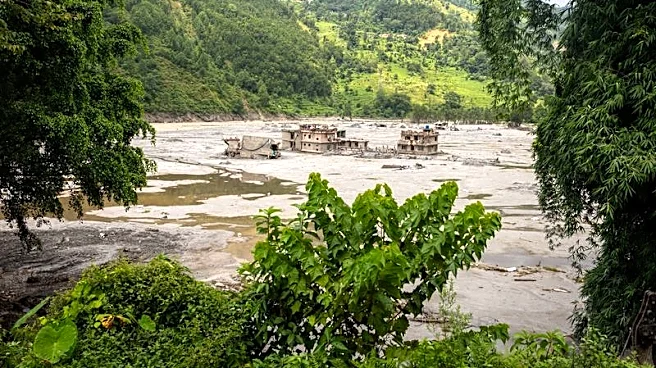
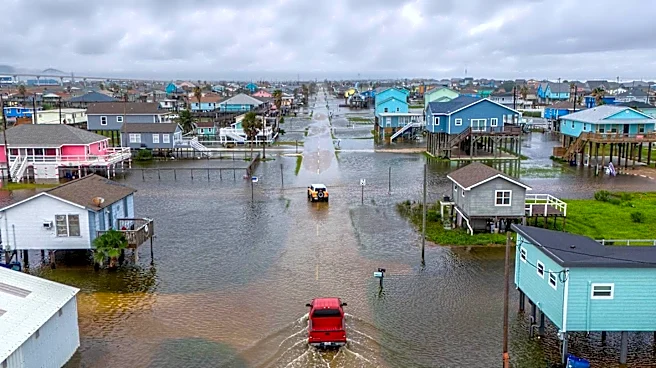
Burger of Freiburg, Germany. The delegation inspected food distribution activities and other projects supported through the Diocese of Malakal. Panyikang County Commissioner James Obur Aywok highlighted the significance of the delegation's journey from Germany to the remote county as a powerful demonstration of solidarity with communities affected by conflict, displacement, and devastating floods. The current headquarters of Panyikang County was established after floods destroyed the original administrative center, forcing relocation to higher ground. The new settlement, only about seven months old, hosts families striving to rebuild their lives after fleeing conflict and displacement, often arriving with minimal possessions. The community faces critical gaps in basic services, including healthcare, education, and infrastructure, with residents frequently relying on difficult transport methods to access essential services in Malakal.
Why It's Important?
This event underscores the critical role of international humanitarian aid and religious organizations in addressing severe crises in regions like South Sudan. The consistent presence and support from entities like the German Catholic Church and Misereor provide essential lifelines to communities grappling with the combined effects of natural disasters and conflict. The trust placed in these organizations, as noted by Commissioner Aywok, highlights their effectiveness and reliability in delivering aid where governmental or local resources are insufficient. The relocation of Panyikang County's administrative center due to flooding illustrates the profound and lasting impact of climate-related disasters on governance and community stability. The ongoing struggles of displaced families to access basic services emphasize the long-term challenges in rebuilding lives and infrastructure, making sustained international partnerships vital for recovery and resilience.
What's Next?
The community hopes for the continuation of the partnership with Misereor, Caritas, and the Diocese of Malakal to address the persistent challenges of flooding, displacement, and limited access to basic services. The Diocese of Malakal plans to strengthen its humanitarian and pastoral response with continued support from these international partners. Archbishop Burger's visit aimed to gain firsthand insight into the realities faced by communities, suggesting a potential for further tailored assistance. The long-term goal involves helping these communities rebuild their lives and establish more stable access to essential services. The need for a permanent place of worship for the Catholic community in Panyikang also indicates future development projects, such as the construction of a chapel on donated land. Continued international solidarity and support will be crucial for the recovery and development of these vulnerable populations.
Beyond the Headlines
The situation in Panyikang County reveals deeper implications regarding the intersection of climate change, conflict, and humanitarian response. The displacement caused by floods exacerbates existing tensions, as seen in other parts of South Sudan where displaced herders moving into farming areas have led to cattle-related violence. This highlights the complex interplay of environmental factors and social instability. The reliance on international aid also raises questions about long-term sustainability and the development of local capacities for disaster preparedness and response. Archbishop Burger's reflection on Germany's post-WWII experience and the Church's belief in 'one world' emphasizes a global ethical responsibility to support communities in need, transcending national borders. This perspective underscores the moral imperative behind humanitarian efforts and the potential for shared human experiences to foster international solidarity in the face of widespread suffering.