


What's Happening?
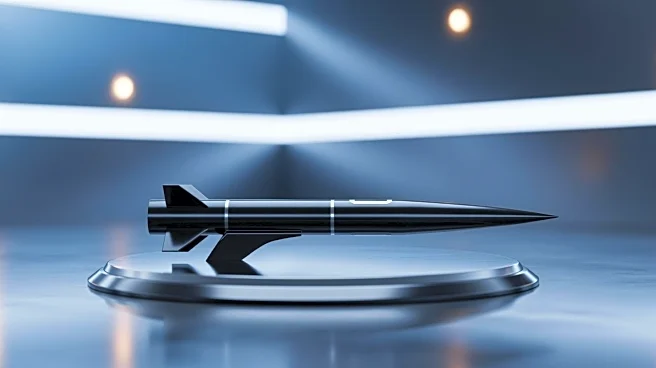
The U.S. Air Force is intensifying its nuclear modernization initiatives, focusing on the B-21 Raider bomber and the Sentinel intercontinental ballistic missile (ICBM) program. Northrop Grumman, responsible for both projects, is increasing production
capacity for the B-21, which is expected to enter service in 2027. The Air Force has allocated $4.5 billion to boost production, with Northrop Grumman investing an additional $2-3 billion. The Sentinel program, intended to replace the Minuteman III missiles, is undergoing restructuring due to cost overruns and technical challenges, particularly with silo compatibility. The Air Force plans to field the Sentinel in the early 2030s, with Minuteman IIIs remaining operational into the 2050s.
Why It's Important?
This modernization effort is crucial for maintaining the U.S. strategic deterrent capability, especially in light of evolving global threats and the expiration of the New START treaty with Russia. The investment in the B-21 and Sentinel programs reflects a commitment to updating the nuclear triad, ensuring the U.S. can respond to potential adversaries like China and Russia. The financial and technical challenges highlight the complexity of modernizing aging infrastructure while integrating new technologies. Successful implementation could enhance national security and maintain the U.S.'s strategic edge.
What's Next?
The Air Force will continue to refine cost estimates and production schedules for both programs. The restructuring of the Sentinel program will address silo compatibility issues, with new silos planned across the Mountain West. The Air Force aims to finalize a new acquisition strategy by year-end, potentially influencing future defense budgets and policy decisions. Stakeholders, including Congress and defense contractors, will closely monitor progress to ensure alignment with national security objectives.