





What's Happening?
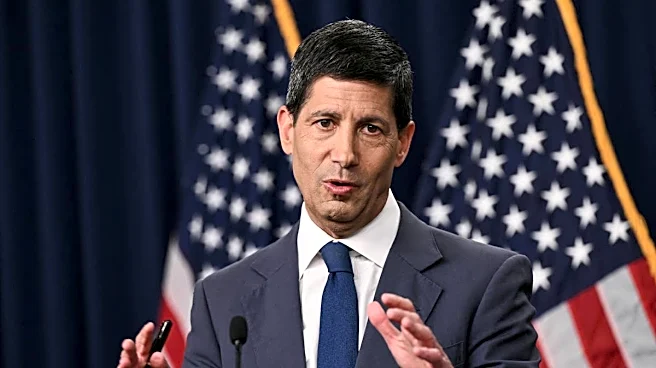
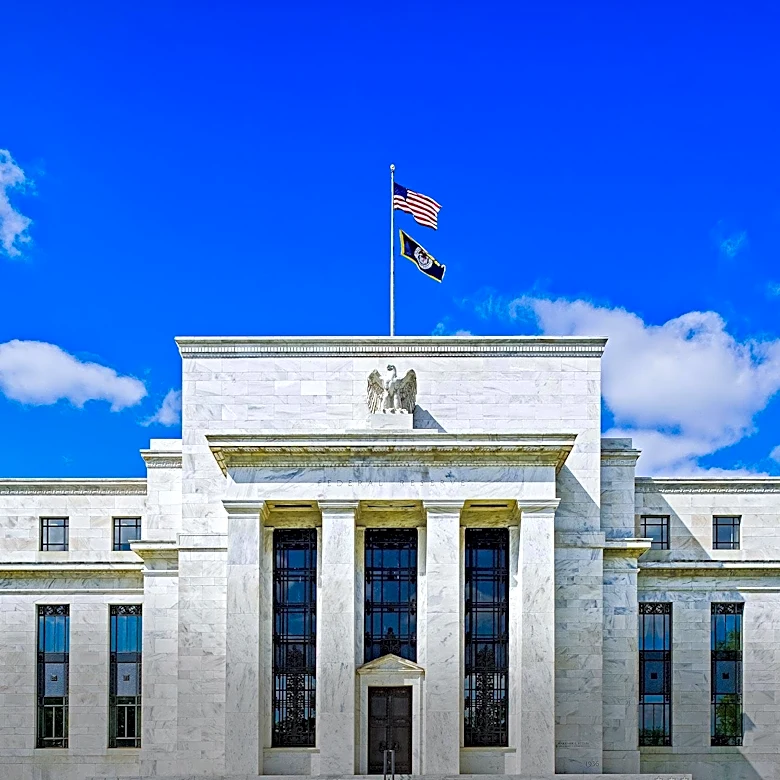
On March 4, President Trump nominated Kevin Warsh to succeed Jerome Powell as the Chairman of the Federal Reserve. The Senate confirmed Warsh's nomination on May 13, and he assumed leadership of the Fed and its Open Market Operations Committee (FOMC)
on May 22. In his inaugural address, Warsh pledged a profound transformation of the Federal Reserve, emphasizing reform and learning from past successes and failures. His vision includes moving beyond static frameworks and outdated models to better address current complexities, while upholding clear standards of integrity and institutional performance. To achieve this, Warsh established five working groups, each led by distinguished economists, including Nobel laureates. These groups are tasked with reviewing various aspects of the Fed's operations: communication, balance sheet utilization, data sources for economic signals, productivity and employment impacts of new technologies like Artificial Intelligence, and inflation regimes. This initiative signals a significant shift in the Fed's approach to monetary policy and its operational transparency.
Why It's Important?
The appointment of Kevin Warsh and his subsequent initiation of comprehensive reforms at the Federal Reserve carry significant implications for the U.S. economy and financial markets. The establishment of working groups focused on communication, balance sheet, data sources, productivity, and inflation regimes indicates a proactive effort to modernize the Fed's tools and strategies. Improved communication could lead to greater market clarity and reduced volatility, while a review of the balance sheet's institutional implications might alter the Fed's approach to quantitative easing or tightening. Enhancing data sources could provide more accurate real-time economic signals, leading to more informed policy decisions. The group addressing productivity and employment, particularly concerning AI, highlights a forward-looking approach to technological advancements and their potential economic impacts. Finally, a re-evaluation of inflation regimes is crucial given recent inflationary pressures and the Fed's struggle to consistently meet its 2.0 percent target. These reforms could reshape how the Fed manages monetary policy, influences interest rates, and ultimately impacts economic growth and stability in the United States.
What's Next?
Following his appointment, Kevin Warsh has already presided over two monetary policy meetings, on June 17 and June 29, where the federal funds rate was maintained between 3.50 and 3.75 percent. However, the July decision was not unanimous, with three of the twelve FOMC voting members advocating for a 25 basis point increase. The next scheduled monetary policy decision is set for September 16. The ongoing work of the five task forces will likely inform future policy decisions and public communications from the Fed. Warsh is expected to elaborate further on his vision and the progress of these reforms, particularly following his speech at the Kansas City Fed's Jackson Hole symposium on August 28. The market will closely watch for any indications of shifts in monetary policy, especially regarding interest rates and the Fed's inflation target. The outcomes of these reviews could lead to significant changes in the Fed's operational framework and its approach to economic challenges, potentially influencing investment strategies, consumer spending, and overall economic sentiment.
Beyond the Headlines
The reforms initiated by Federal Reserve Chairman Kevin Warsh extend beyond immediate monetary policy adjustments, touching upon deeper structural and philosophical aspects of central banking. The emphasis on moving past 'static frameworks and models that no longer capture the current complexity' suggests a recognition of the evolving global economic landscape, including factors like deglobalization and geopolitical conflicts impacting supply chains and energy prices. The inclusion of experts like Doug McMillon in the data sources task force underscores a push for more granular and real-time economic indicators, potentially leading to a more agile and responsive Fed. The focus on new technologies like Artificial Intelligence in the productivity and employment group highlights the Fed's acknowledgment of the transformative power of innovation and its potential to reshape labor markets and economic growth. This comprehensive review could redefine the Fed's role in a rapidly changing world, moving it towards a more adaptive and data-driven institution. The ethical implications of using advanced data analytics and AI in economic forecasting, as well as the potential for increased transparency in Fed communications, will be critical areas to watch as these reforms unfold.