






What's Happening?
Official data from the U.S. Department of State indicates a significant one-third reduction in the issuance of F-1 visas in calendar year 2025 compared to 2024. This decline suggests a broader trend of decreasing international student mobility to the United
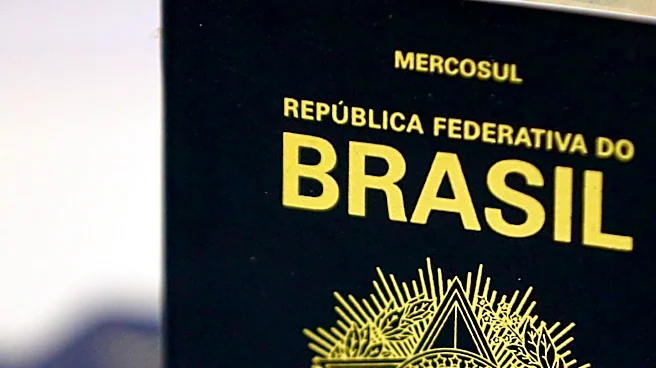
States. However, Brazil stands out as an exception, with its F-1 visa issuance remaining relatively stable, experiencing only a 1% decrease during the same period. Further data from TOEFL (Test of English as a Foreign Language) for fiscal year 2026 shows an increase in Brazil-based candidates for higher education, reinforcing Brazil's resilience as a source market for international students despite global trends. Brazilian students are increasingly diversifying their educational pathways and desired destinations, with higher education programs now accounting for 23.6% of those interested in studying abroad, up from 12.7% a year prior. Language programs as a primary objective for studying abroad have also decreased, suggesting students are finding alternative ways to improve language proficiency or adapting to visa policy changes.
Why It's Important?
The substantial decline in F-1 visa issuance has significant implications for U.S. higher education institutions, which rely on international students for diversity, research contributions, and tuition revenue. A sustained decrease could lead to financial challenges for universities and a reduction in the global talent pool within the U.S. The resilience of the Brazilian student market, however, presents an opportunity for U.S. institutions to focus recruitment efforts on this demographic. The shift in Brazilian students' preferences towards higher education and diversified destinations highlights the need for U.S. universities to tailor their offerings and outreach strategies. The lack of effective nationwide English language assessment policies in Brazil, as noted by ETS's 2026 Human Progress Report, underscores a critical area where support and resources could be directed to better prepare prospective students for international study, ultimately benefiting both students and host institutions.
What's Next?
U.S. educational institutions may need to re-evaluate their international recruitment strategies in light of the overall decline in F-1 visa issuance, potentially increasing engagement with resilient markets like Brazil. For Brazilian students, the trend towards broader educational perspectives and destinations suggests a need for comprehensive, long-term application strategies, particularly concerning English language proficiency. Educational organizations like TOEFL and ETS could play a more significant role in providing reliable assessment tools and guidance to Brazilian families and schools, helping them plan for international education. Addressing the identified gap in national English assessment standards in Brazil could empower more students to pursue international study with confidence, potentially leading to a more consistent flow of qualified applicants to U.S. universities.
Beyond the Headlines
The decline in F-1 visa issuance could signal a broader shift in global educational mobility, potentially influenced by geopolitical factors, economic conditions, or changing perceptions of the U.S. as a study destination. The continued strength of the Brazilian market, despite these global shifts, suggests unique underlying factors, possibly including economic stability within Brazil or specific educational aspirations among its youth. This situation also highlights the critical role of standardized testing, like TOEFL, in providing a clear pathway for international students, especially in countries where national assessment systems are perceived as inadequate. The long-term implications could include a more diversified landscape of international student flows, with new destination countries gaining prominence, and a greater emphasis on strategic planning and support for students from emerging markets.